Niger’s fuel price freeze: a forced concession or a sign of weakening control?
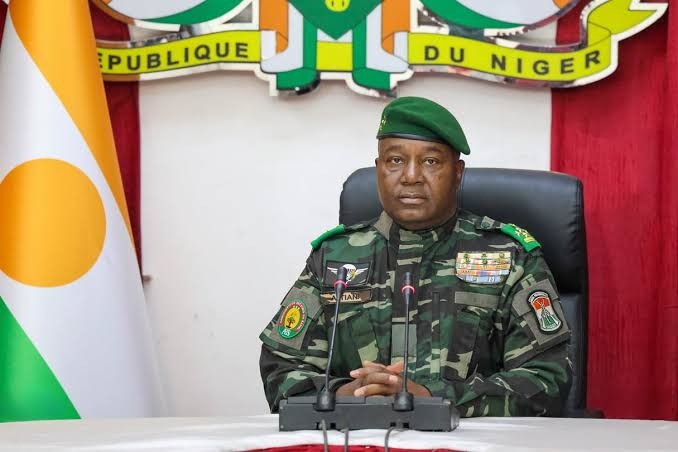
The military government’s abrupt decision to block fuel price increases in Niger wasn’t a strategic triumph—it was a forced retreat. General Abdourahamane Tiani’s eleventh-hour reversal on the policy revealed deepening divides within the National Council for the Safeguard of the Homeland (CNSP), where economic pragmatists advocating fiscal discipline collided with mounting fears of mass protests. Rather than reinforcing public trust, this about-face exposed a leadership struggling to maintain balance in the face of systemic fragility.
Elite divisions and grassroots unrest: the junta’s unsteady balancing act
Behind the policy reversal lay a heated internal debate. While the Ministry of Petroleum and the Transitional Reform Advisory Council argued for a measured price adjustment to stabilize state revenues, General Tiani’s last-minute reversal sidelined his own economic advisors. This unexpected schism underscores a regime more preoccupied with short-term survival than long-term governance—a precarious stance for a nation grappling with soaring deficits and eroding public support.
The specter of contagion looms large. Following the unrest in August that rattled the CNSP’s confidence, the junta’s once-steadfast image of authority has crumbled. Every policy decision now reflects desperation rather than strategy. The era of unchallenged dominance has passed; the regime is now operating in survival mode.
False relief: why artificially freezing fuel prices fails to address Niger’s economic wounds
While capping fuel prices may temporarily quell public dissatisfaction, it provides no lasting solution to Niger’s escalating economic woes. The cracks are already visible:
- Hidden markets and supply gaps: Despite official price controls, fuel shortages persist in several regions, driving up costs on the black market and intensifying scarcity.
- Systemic corruption: Planned audits of the oil sector have stalled, while frequent reshuffles within the Ministry of Petroleum and state-run SONIDEP point to an ongoing scramble for control over high-value energy resources.
- Looming financial collapse: Sustained subsidies are draining state coffers, and the anticipated shortfall in agricultural exports threatens to trigger runaway inflation and widespread unrest.
By avoiding structural reforms, the junta has merely delayed the inevitable—a full-blown economic and social crisis far greater than the challenges it faces today.
From defiance to surrender: the erosion of the military regime’s legitimacy
General Tiani’s decision to roll back fuel price hikes was more than an economic misstep—it was a political earthquake. For over a year, the CNSP presented itself as a stabilizing force, demanding public austerity while consolidating power. Yet when faced with real pressure, the regime capitulated. The message is clear: preservation takes precedence over principles, and the junta’s once-solid foundation is now fractured.
With security deteriorating, food supplies dwindling, and public patience eroding, the fuel price freeze is a mere plaster on a life-threatening injury. Niger’s military leaders have bought themselves a brief respite—but at what cost? Each compromise further undermines their credibility, while the underlying structural decay continues unchecked. The question isn’t whether the regime will face another crisis—it’s how much more instability it can endure before collapse becomes inevitable.