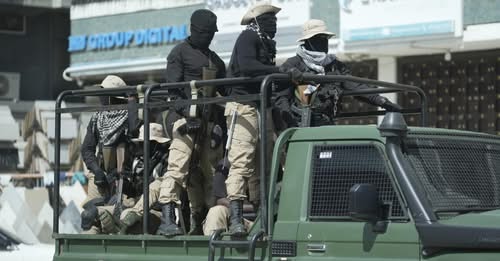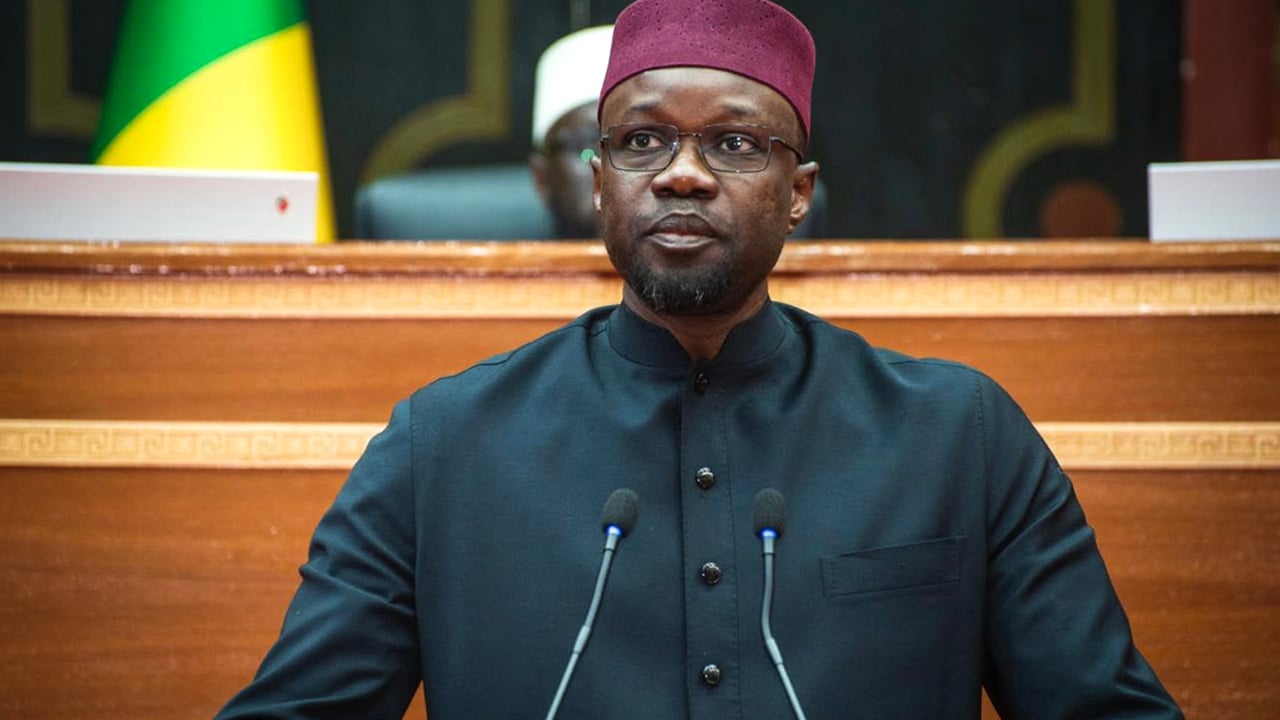

The constitutional council of Senegal has emerged as an unexpected obstacle on Pastef’s path to power, repeatedly blocking key initiatives. But could these setbacks derail the movement’s political rise permanently? With each ruling, tensions escalate between institutional authority and grassroots support, leaving citizens to question: is this the beginning of a lasting standoff?
Why is Senegal’s constitutional council blocking Pastef’s progress?
At the heart of the conflict lies a series of legal and procedural hurdles. Pastef, the political force behind President Bassirou Diomaye Faye and former Prime Minister Ousmane Sonko, has faced an unrelenting pattern of institutional resistance. Critics argue that the council’s rulings are not merely legal opinions but strategic maneuvers designed to slow the movement’s momentum. By systematically rejecting or delaying critical decisions, the council has created a bottleneck that stifles Pastef’s ability to govern effectively.
Some legal analysts suggest that the council’s actions reflect deeper political dynamics at play. Whether driven by constitutional interpretation or external pressures, these rulings have far-reaching implications—shaping the balance of power in Senegal’s political landscape.
A pattern of repeated setbacks
The council’s interventions are not isolated incidents but part of a broader trend. Key decisions, including those related to electoral legitimacy and legislative reforms, have been consistently challenged or overturned. This cycle of contestation has raised concerns about the council’s role as an arbiter of fairness, with many questioning whether its rulings are impartial or politically motivated.
Public and political reactions to the council’s rulings
The council’s actions have sparked widespread debate. Supporters of Pastef view these rulings as attempts to undermine democracy and weaken the movement’s influence. Meanwhile, critics argue that the council is merely upholding the rule of law, even if it means curtailing the ambitions of a rising political force. These polarized perspectives have intensified public discourse, with many calling for greater transparency and accountability in the council’s decision-making process.
What are the consequences for Pastef and its supporters?
The impact of the council’s rulings extends beyond legal technicalities—it touches the core of Pastef’s political viability. With each setback, the movement’s ability to implement its agenda is compromised, leaving supporters disillusioned and activists frustrated. The uncertainty surrounding upcoming elections and legislative sessions has further exacerbated tensions, creating an environment of instability that threatens to erode public trust in both the council and the government.
The council’s decisions have also fueled a wave of civic engagement. Protests, petitions, and public statements have become commonplace as citizens voice their concerns over what they perceive as a deliberate effort to sideline Pastef. This groundswell of activism underscores the stakes: will Senegal’s constitutional council ultimately determine the fate of one of its most dynamic political movements?
Can Pastef overcome these challenges?
Despite the obstacles, Pastef retains a strong base of support, particularly among young and disenfranchised voters. The movement’s leadership has shown resilience, adapting to the council’s rulings with strategic shifts in messaging and outreach. However, the path forward is fraught with challenges. Legal battles, public mobilization, and negotiations with institutional actors will all play a critical role in determining whether Pastef can overcome these hurdles and secure its political future.
The coming months will be decisive. Will the council’s rulings serve as a permanent roadblock, or will Pastef find a way to navigate the legal and political maze set before it? For Senegal’s citizens, the stakes could not be higher: the outcome will shape the trajectory of their nation’s democracy for years to come.
The broader implications for Senegal’s democracy
The conflict between Pastef and the constitutional council raises fundamental questions about the health of Senegal’s democratic institutions. Is the council fulfilling its role as a guardian of the constitution, or has it become an instrument of political control? The answer to this question will define not only Pastef’s future but also the trajectory of Senegal’s democracy itself.
As debates rage on, one thing is clear: the balance of power in Senegal is at a crossroads. The decisions made in the coming weeks and months will determine whether the country moves toward greater inclusivity and transparency—or whether it becomes mired in a cycle of institutional gridlock and political uncertainty.