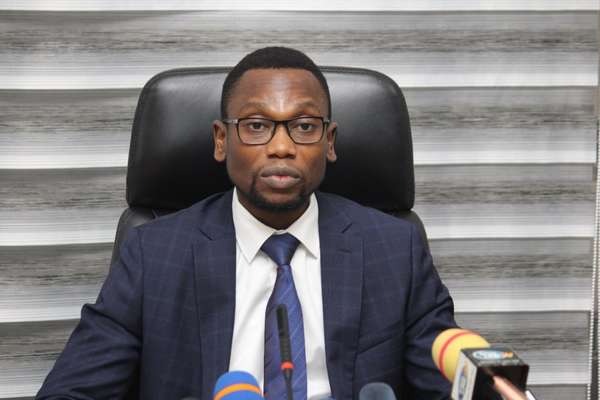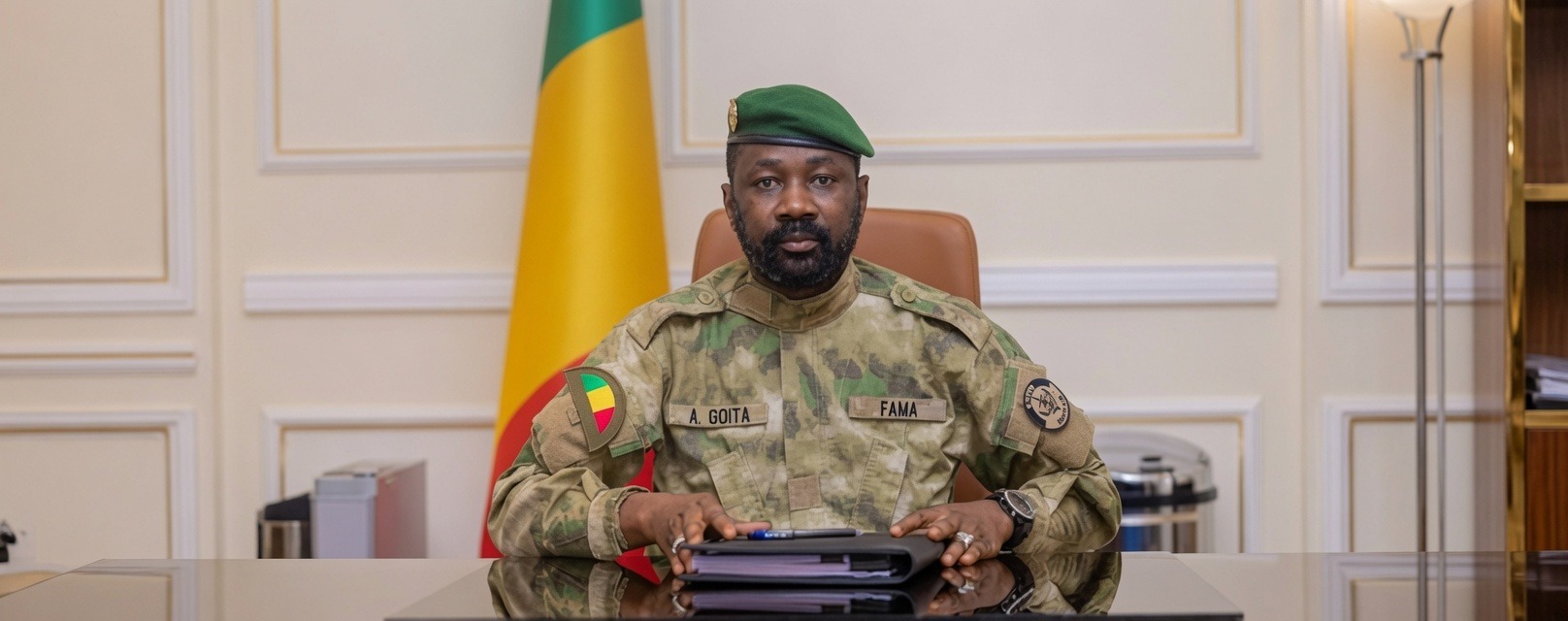
The head of Ivory Coast’s intelligence services, Vassiriki Traoré, is set to arrive in Bamako on Thursday, 15 October 2026, following an invitation from his Malian counterpart, General Modibo Koné. The three-day working visit comes amid strained relations between the two West African neighbours and a shared urgency to strengthen cooperation against terrorism.
A visit with intelligence at its core
Traoré’s trip is being made at the request of the director of Mali’s National Agency for State Security, Modibo Koné. Talks are expected to focus on information sharing and boosting collaboration between the two countries on security matters.
The meeting could mark a significant step towards restoring working relations between Abidjan and Bamako, after political differences have weakened their cooperation in recent years.
Bilateral ties weighed down by tensions
Since Mali’s military authorities took power in 2020, relations between the two West African neighbours have gradually deteriorated. Disagreements over diplomatic direction, relations with France and several security disputes have helped widen the rift between the two capitals.
The case of the 49 Ivorian soldiers arrested in Bamako in July 2022 further heightened tensions. Presented by Malian authorities as mercenaries, the troops were convicted before being granted a pardon. Abidjan, for its part, maintained that they were deployed as part of a United Nations support mission.
Counterterrorism remains the shared challenge
Beyond political disputes, the jihadist threat is a common challenge for both countries. Mali continues to face attacks from armed terrorist groups, while Ivory Coast remains watchful of the security situation in its northern regions, close to the Malian border.
In this context, better coordination between intelligence services could help improve attack prevention, border surveillance and the flow of information on the movements of armed groups.
Traoré’s visit to Bamako therefore appears to be an opportunity to re-examine the possibilities for security cooperation between the two states, despite their political differences.
What happens next?
It remains to be seen whether this initiative will open a new phase of dialogue between Abidjan and Bamako and lay the groundwork for a more lasting rapprochement.