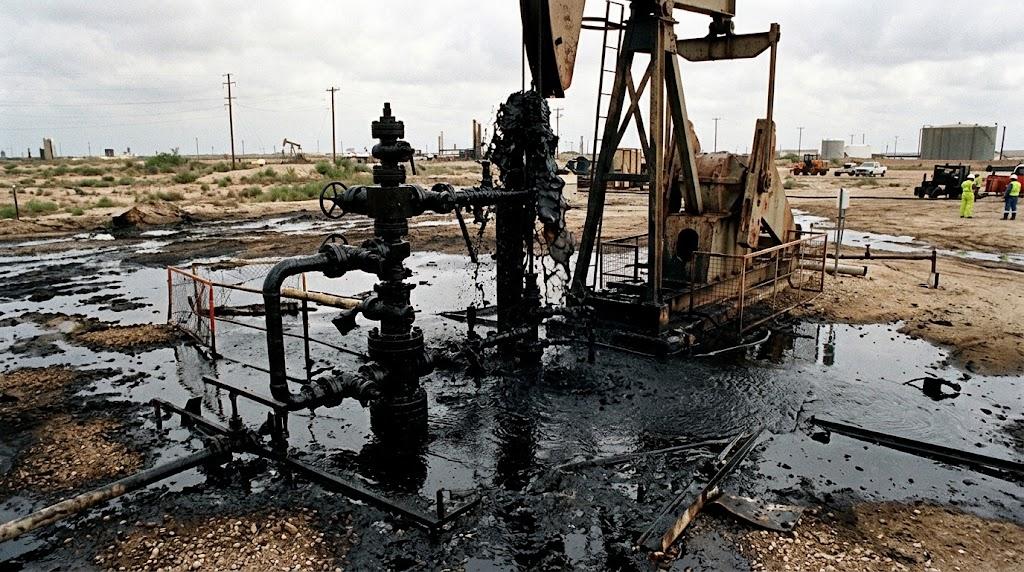
The Nigerien government has finally acknowledged the severity of the Goumeri W-8 oil well blowout, now entering its third week, after prolonged public pressure exposed delayed official response to the catastrophic incident.
Government response faces intense scrutiny over delayed action
The blowout at the Agadem Block well, operated by CNPC Niger Petroleum, was first detected on September 25 but only publicly confirmed on October 12. This 17-day lag has intensified criticism, particularly from environmental groups like GREN, which had already raised alarms about potential soil and groundwater contamination from the uncontrollable oil spill. While emergency containment measures, including dams and retention ponds, have been deployed, authorities have yet to release data on the total volume of lost crude or the full extent of environmental damage.
Sovereignty claims clash with operational limitations
The crisis has laid bare a stark contradiction: despite the government’s push for greater control over natural resources—including mandating that 80% of CNPC’s workforce be local—the administration lacks the specialized expertise needed to curb the well’s uncontrollable discharge. This capability gap has now forced Niamey to seek assistance from neighboring Algeria, leveraging the country’s decades of proven expertise in managing Saharan oilfield emergencies.
Algiers steps in as Niamey pivots toward foreign collaboration
The decision to engage Algeria and Sonatrach reflects a broader shift in Niger’s energy strategy, one that prioritizes crisis containment over ideological self-reliance. Beyond technical support and an independent audit to determine operator liability, Algerian engineers are already involved in managing the Kafra permit and marketing Agadem crude. While the collaboration signals a pragmatic approach, no timeline has been set for sealing the well permanently.
Public reaction and long-term implications
The disaster has ignited a national conversation about Niger’s energy autonomy, with many questioning whether the country’s sovereignty agenda can coexist with its technical limitations. The incident also underscores the delicate balance between pursuing local expertise and accepting international intervention in the face of disasters that exceed domestic capabilities.
Environmental and economic fallout
With two neighboring wells compromised and worker injuries reported, the ecological and economic toll is mounting. The spill’s containment remains a race against time, as authorities scramble to assess the full scope of the damage before irreversible harm is done.