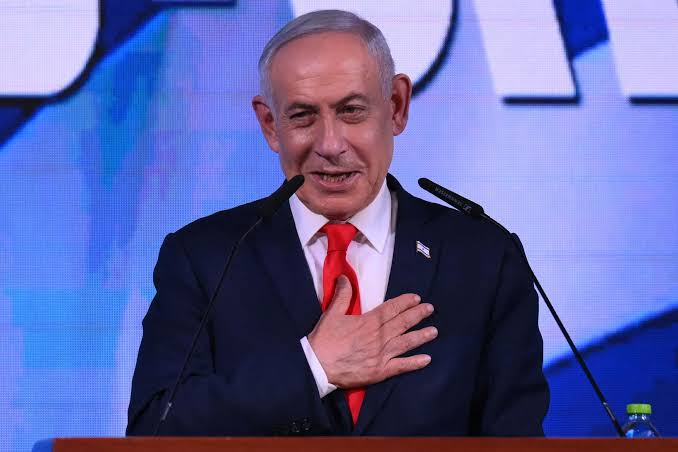
Israel’s political landscape has plunged into uncharted territory after a legislative showdown left Prime Minister Benjamin Netanyahu’s ruling coalition without the parliamentary dominance it once held. The final results—certified by the Central Elections Commission—confirm what political analysts had feared: a seismic shift in power dynamics that has left the country’s institutions teetering on the brink of paralysis.
Election fallout: what the numbers reveal
The outcome was decisive. After days of tense ballot counting, Netanyahu’s right-wing and ultranationalist bloc fell short of the coveted 61-seat majority required to govern effectively. The numbers tell a stark story:
- Fractured coalition: The Likud-led alliance lost ground across key districts, hemorrhaging support to both centrist and opposition factions.
- Rise of the opposition: Figures like Gadi Eisenkot and Yair Lapid capitalized on voter fatigue, consolidating a bloc that now holds decisive leverage in the Knesset.
- Arab parties surge: Record turnout in Arab-Israeli communities translated into unprecedented parliamentary representation, tilting the balance against Netanyahu’s ability to cobble together a government.
Netanyahu’s gamble: allegations of electoral fraud
Sensing the political storm gathering, Netanyahu struck back with a controversial claim: “The integrity of these elections has been compromised.” He pointed to irregularities in high-turnout Arab-majority polling stations, alleging systemic fraud without presenting conclusive evidence. His rhetoric has since sparked a fierce backlash, with critics accusing him of undermining democratic norms to avoid political irrelevance.
Opposition fires back
In a rare show of unity, centrist and left-wing leaders condemned what they called a thinly veiled attempt to overturn election results. “When the will of the people clashes with your ambitions, the correct response is not to cry foul,” declared an opposition spokesperson. “It’s to accept reality and step aside.”
What lies ahead: paralysis or a new political dawn?
With the Central Elections Commission dismissing claims of widespread fraud, Israel now faces a stark choice. The first pathway—coalescing a fragile coalition—could take weeks of bruising negotiations, with centrist and Arab parties reluctant to align with Netanyahu’s hardline agenda. The second? A return to the polls in a country already exhausted by years of political turbulence.
The paralysis gripping Israel’s democracy may not lift anytime soon. As the Knesset remains fractured and tempers flare, one question looms large: Can Netanyahu’s opponents bridge their differences before the nation’s institutions grind to a halt?