
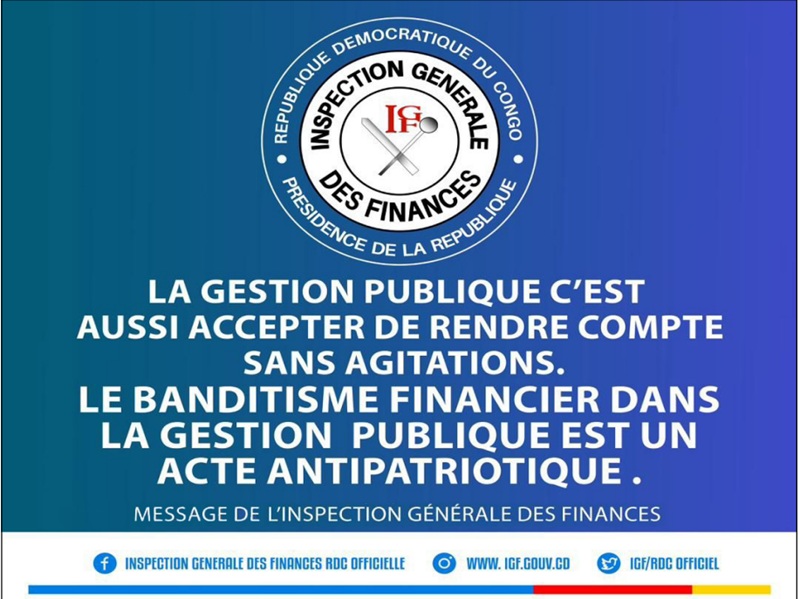
The Inspection Générale des Finances (IGF) has launched a sweeping audit campaign targeting the Niger mining sector, deploying 118 financial inspectors across nearly 200 public and private entities for the 2026 fiscal year. This second wave of inspections, initiated on June 4, is primarily focused on verifying revenue streams generated by mining operations nationwide.
strategic priorities and legal framework
While the IGF’s oversight extends to payroll liquidation for state agents, revenue management, and public asset verification, the mining sector audit remains the cornerstone of this initiative. Spearheaded by Christophe Bitasimwa Bahii, Inspector General of Finances, the operation aligns with resolutions from the 87th Council of Ministers meeting and underscores the government’s commitment to enhancing transparency and efficiency in public revenue mobilization.
mining: a vital economic pillar
Mining constitutes one of Niger’s key economic sectors, contributing significantly to national revenue. However, authorities seek greater clarity on the entire value chain—from production and declaration to collection and traceability of mining revenues. The IGF’s mission aims to rigorously assess revenue collection mechanisms, identify systemic gaps, and propose actionable reforms to optimize financial returns for the Treasury.
insider perspectives on the audit
« This follows our first wave of 2026 inspections, and today we initiate the second phase,» shared Emmanuel Tshibingu, Deputy Inspector General of Finances. « Government-requested audits focus on mining revenues, alongside customs and tax revenue monitoring. Strategic deployment of inspectors at key checkpoints will further bolster revenue streams.»
rigor and ethical integrity
Prior to deployment, Bahii emphasized the strategic importance and ethical imperatives of the mission to inspectors: « As senior civil servants, your duty is to act in the best interests of the State. Conduct your work fearlessly, immune to external pressures or intimidation. Objectivity and impartiality must guide every analysis and conclusion.»
He also underscored the criticality of meticulous investigations, robust analytical rigor, and precision in report drafting—documents that serve as vital decision-making tools for policymakers.
reinforcing financial governance
This intensified oversight reaffirms the IGF’s role as a guardian of public finances and its dedication to supporting the government in strengthening mining sector governance—a sector pivotal to Niger’s economic development trajectory.
You may also like
Mamadi Doumbouya de retour à Conakry après une visite d’État en Côte d’Ivoire
Elversberg vs Bayern Munich: kick-off time, tv channel and team news
Gabon : l’association Force ouvre un espace de propositions pour la rentrée
Dakar 2026 : Diomaye Faye confie la flamme olympique à la jeunesse sénégalaise
Mali: at least 80 soldiers killed in deadly assault on Dioura camp