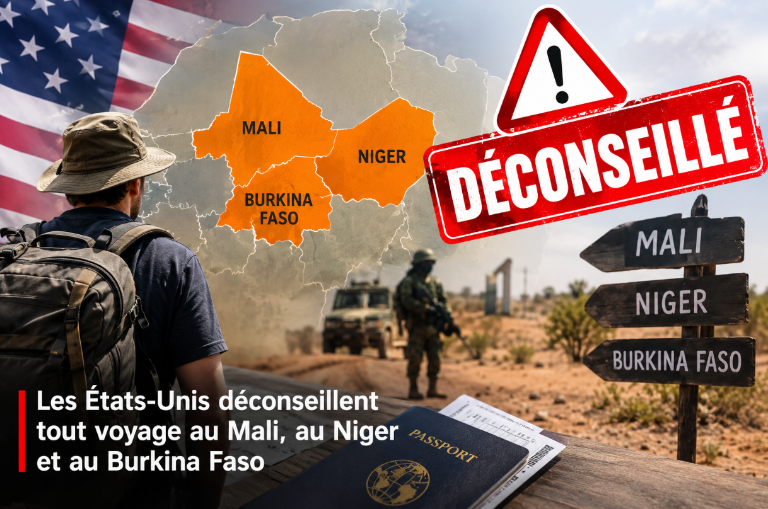
As global security threats intensify, one critical question looms for travelers and businesses alike: is the Sahel—a region synonymous with instability—still a viable destination in 2026? The United States has taken a definitive stand, placing three of its most troubled neighbors—Mali, Niger, and Burkina Faso—under the strictest travel advisory possible. With terrorism, kidnappings, and violent crime escalating, Washington’s “do not travel” warning forces us to confront a sobering reality: the risks may now outweigh the rewards for these destinations.
Beyond the immediate dangers, the implications for regional economies, humanitarian efforts, and diplomatic missions are profound. What does this escalation mean for those with ties to the Sahel, and how should travelers adjust their plans? The answers reveal a landscape where caution is no longer optional—it’s essential.
What the level 4 advisory means for Mali, Niger, and Burkina Faso
The U.S. State Department’s Level 4 advisory—”do not travel”—isn’t issued lightly. It signals severe, widespread risks that make travel inadvisable under any circumstances. For the Sahel’s most troubled trio, the advisory reflects a convergence of threats:
- Terrorist organizations, including affiliates of Al-Qaeda and ISIS, operate across borders, exploiting weak governance and porous security.
- Kidnappings for ransom have surged, targeting both locals and foreigners, particularly in remote and poorly patrolled areas.
- Violent crime, including armed robberies and carjackings, has become routine in many urban and rural zones.
- Health risks, from outbreaks to inadequate medical infrastructure, further compound the challenges.
- Restrictions on U.S. government personnel—who are barred from traveling outside major cities—underline the severity of the threat.
The advisory isn’t static. It evolves with regional dynamics, meaning a region deemed “safe” one month could face sudden deterioration the next. For travelers, this unpredictability turns trip planning into a high-stakes gamble.
Mali: A powder keg with no safe havens
In Mali, the State Department’s June 2026 advisory leaves no room for doubt: avoid all travel. The risks are systemic and pervasive. Terrorist groups, including Jama’at Nusrat al-Islam wal Muslimin (JNIM), launch frequent attacks on security forces and civilians, while criminal gangs operate with near-impunity.
Even Bamako, the capital, isn’t immune. U.S. officials restrict their personnel to the city, citing credible threats beyond its borders. The capital itself has seen a rise in armed robberies and targeted violence, particularly in areas popular with expatriates and aid workers. For foreigners, the consequences of an incident extend beyond physical harm—they include the near impossibility of rapid consular assistance in remote regions.
Key threats in Mali
- Terrorism: Organized groups conduct frequent attacks on military outposts, supply convoys, and civilian gatherings.
- Kidnappings: Foreign nationals—especially those in mining, energy, and humanitarian sectors—are high-value targets.
- Road ambushes: Major highways, including routes to Senegal and Guinea, are hazardous due to improvised explosive devices (IEDs) and armed bandits.
- Healthcare gaps: Hospitals and clinics in conflict zones face shortages of staff and supplies, complicating emergency care.
Niger: Border zones emerge as no-go areas
Niger’s July 2026 advisory paints a similarly dire picture. While Niamey remains the safest urban hub, the country’s vast border regions—particularly with Mali and Burkina Faso—are veritable war zones. Terrorist factions, including Islamic State in the Greater Sahara (ISGS), exploit these ungoverned spaces to launch attacks on both military and civilian targets.
U.S. personnel face strict limitations, authorized only to travel within Niamey. For private travelers, this means that any journey beyond the capital requires military-style planning, armored transport, and private security—a logistical and financial nightmare. The risks aren’t limited to remote areas: even Niamey has seen a spike in kidnappings and armed robberies, particularly in upscale neighborhoods and along major roads.
Burkina Faso: The jihadist frontline expands
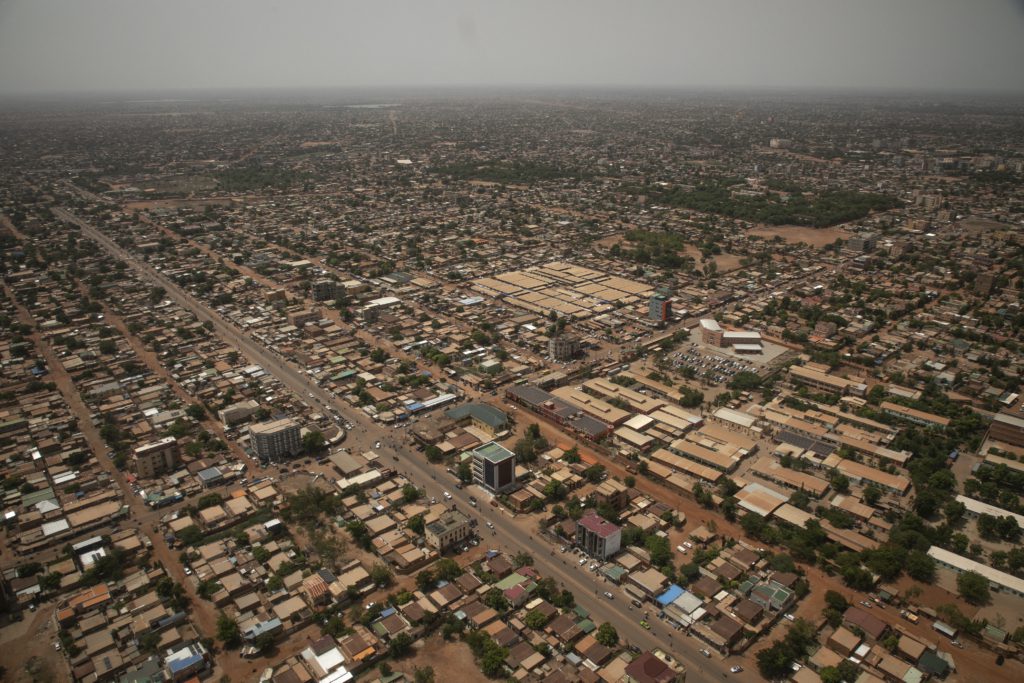
Burkina Faso’s May 2026 advisory reflects the country’s spiral into crisis. Jihadist groups, including Ansarul Islam and the Macina Liberation Front, have consolidated control over rural areas, cutting off entire regions from government influence. Attacks on villages, military patrols, and infrastructure—such as gold mines and humanitarian hubs—have surged.
The capital, Ouagadougou, is now the only area where U.S. officials permit travel for their staff. Even here, the risks are real: hotels, restaurants, and mining sites have been targeted in sophisticated assaults. For international aid workers and investors, Burkina Faso’s appeal as a destination has evaporated—replaced by a stark choice: proceed at extreme personal risk or abandon projects altogether.
What makes Burkina Faso particularly dangerous is the unpredictability of violence. Attacks occur without warning, in locations previously considered safe, from international hotels to religious sites. The lack of a stable security presence outside urban areas means response times for emergencies are critically slow.
Beyond the Sahel: How other African destinations compare
While Mali, Niger, and Burkina Faso dominate headlines, they’re not the only African nations facing U.S. warnings. The State Department’s advisory system applies a nuanced approach, with levels ranging from “exercise normal precautions” (Level 1) to “do not travel” (Level 4).
Countries like Nigeria carry a Level 3 advisory—”reconsider travel”—but certain regions, including the northeast and northwest, are classified as Level 4 due to terrorism and kidnappings. Similarly, the Central African Republic and Chad face Level 4 warnings across most of their territory, while Cameroon and Mozambique grapple with localized but severe threats, such as Boko Haram in the Far North and Islamist insurgencies in Cabo Delgado.
This tiered system highlights a critical reality: Africa’s security challenges are not uniform. Some countries—like Senegal, Ghana, and Rwanda—remain relatively stable, offering safer alternatives for travelers and investors. The key is to distinguish between high-risk and moderate-risk zones, even within the same country.
What travelers and businesses need to know in 2026
For those with ties to the Sahel—whether as tourists, investors, or aid workers—the U.S. advisory is a wake-up call. But it’s not the only factor to consider. Local conditions, such as the presence of private security firms, access to reliable transport, and the capacity of embassies to respond to crises, can influence risk levels. However, the overarching message is clear: the Sahel is no longer a destination for casual travelers or uninformed adventurers.
For businesses and humanitarian organizations, the stakes are even higher. Supply chains, project timelines, and staff safety all hinge on a volatile security environment. Many organizations have already pulled out of high-risk areas, while others are adopting “duty of care” policies to protect employees. Insurance premiums for Sahel operations have skyrocketed, and some insurers now refuse coverage for the region entirely.
Travelers considering alternatives should heed these realities:
- Monitor advisory updates: U.S. and other governments frequently revise their travel warnings. A destination safe today may not be tomorrow.
- Prioritize security over savings: Cutting corners on private security, transport, or accommodations is a false economy in high-risk zones.
- Plan for contingencies: Evacuation routes, emergency contacts, and local support networks are essential—even in relatively stable areas like Bamako or Niamey.
- Consider remote work: For expatriates, virtual assignments or staggered travel may reduce exposure to threats.
A region at a crossroads
The Sahel’s crisis is not just a security issue—it’s an economic and humanitarian one. Tourism, once a marginal sector in these countries, has collapsed under the weight of instability. Foreign investment has dwindled, and international organizations are scaling back operations. The result is a vicious cycle: reduced economic activity fuels insecurity, while insecurity chokes off development.
Yet, the region is not without hope. Grassroots initiatives, local resilience, and international partnerships are working to address the root causes of conflict—from youth unemployment to climate-driven migration. For travelers and investors, the question isn’t whether to engage with the Sahel, but how to do so safely and sustainably. The answer may lie in supporting initiatives that build local capacity rather than relying on fleeting, high-risk visits.
The U.S. advisory serves as a stark reminder: the Sahel’s challenges are profound, and the path forward is uncertain. Until stability returns, travelers and businesses must weigh the allure of the region against the very real dangers it presents.