From failed Moscow alliance to Ankara’s rescue plea
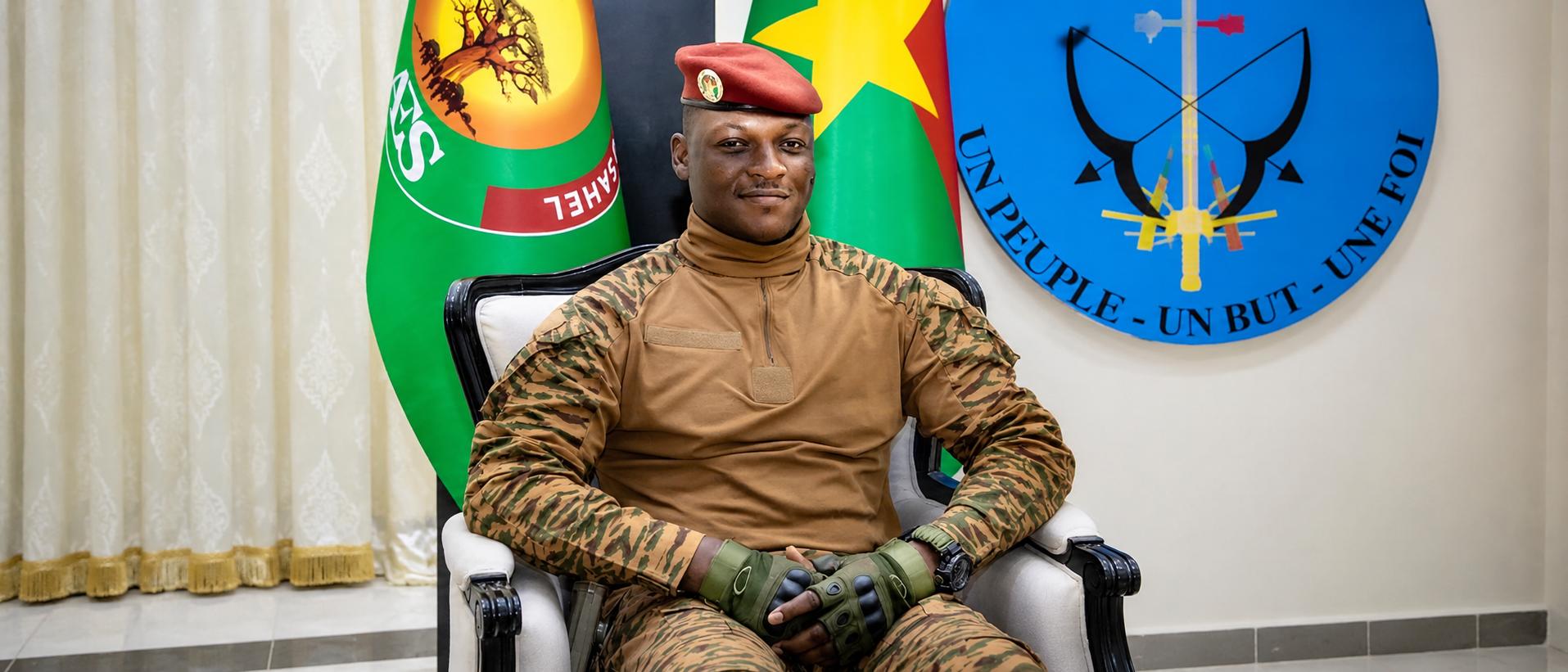
Burkina Faso’s military leadership has openly acknowledged the limits of its defense strategy. During high-level talks in Ankara on 20 October 2026, officials from the transitional government made repeated overtures for immediate defense and security cooperation with Türkiye. While officials framed the discussions as an upgrade in bilateral relations, the urgent courting of Ankara reveals a deeper truth: the Burkina Faso junta is grappling with a collapsing partnership with Moscow and scrambling to find new security allies.
Russia’s empty promises and rising violence in the Sahel
Ouagadougou’s abrupt pivot toward Russia, marked by the arrival of Russian paramilitary trainers and arms deliveries, was supposed to bring rapid territorial gains and security improvements. Instead, the country has seen a surge in terrorist attacks, the blockade of key towns, and a humanitarian crisis deepening across vulnerable regions. The promised ‘quick fix’ has proven illusory, leaving civilians trapped between armed groups and a government struggling to assert control.
A shattered military dream in the heart of the Sahel
The Assisted Security Pact with Russia was heralded as Burkina Faso’s ticket to reclaiming its territory. Yet, after months of cooperation, the strategy has shown glaring operational flaws: delayed troop deployments, unmet equipment needs, and a lack of coordination with local forces. The continued escalation of violence, particularly in northern and eastern provinces, has exposed the myth of an outsourced security solution. With confidence in Moscow’s support eroding fast, the junta faces a harsh reality: relying solely on foreign allies is not a sustainable path to stability.
Desperate diplomacy: Burkina Faso’s plea for Turkish defense support
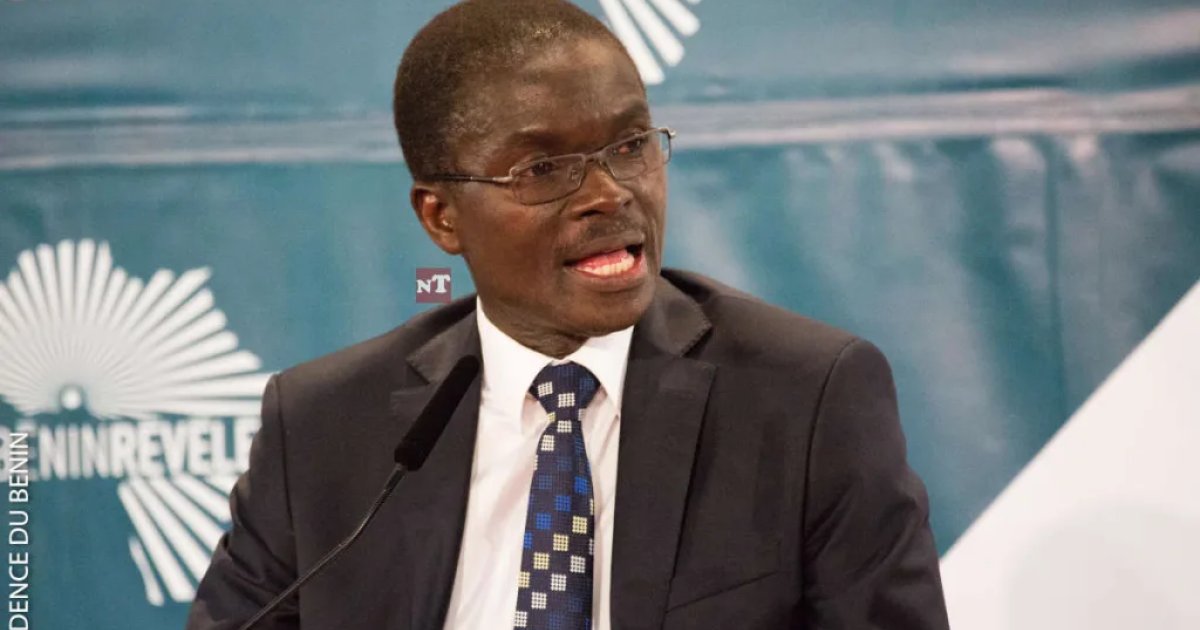
Against this backdrop, Burkina Faso sent a high-level diplomatic mission to Ankara, led by Ambassador Hermann Yirigouin Toé. The delegation’s agenda was clear: secure immediate military assistance, including access to advanced defense technologies such as combat drones—systems already tested in African conflict zones. The language used in meetings was telling: calls for ‘concrete international solidarity’ and urgent operational aid signal a government begging for viable alternatives.
The shift from self-reliance to international begging
The request is not a strategic recalibration—it’s an admission of failure. Burkina Faso, under the banner of sovereignty, has bet heavily on Russia’s security guarantees. But when those promises failed to materialize, the junta had to confront an uncomfortable truth: its ability to defend the nation is compromised. The overtures to Türkiye are not part of a broadened alliance portfolio; they reflect a leadership in crisis, forced to reach out to a third party to fill critical security gaps.
Ideology vs. reality: the cost of a binary security strategy
The rush to Ankara highlights a growing contradiction. Burkina Faso’s foreign policy has long been defined by anti-Western rhetoric and a stated preference for non-aligned partners. Yet, when the Russian-backed approach delivered no tangible benefits, the junta found itself with no credible backup plan. The pivot toward Türkiye—known for its pragmatic defense industry and operational experience in Africa—underscores the fragility of a security strategy built on ideology rather than results.
What Ankara can offer—and what Burkina Faso needs
Türkiye emerges as a compelling partner not because of shared political alignment, but due to its proven track record in asymmetric warfare and counterterrorism. With a defense sector capable of producing high-performance drones, armored vehicles, and training programs tailored to Sahelian conditions, Ankara is one of the few actors positioned to deliver rapid, operational solutions. For Burkina Faso, the question is no longer about choosing sides—it’s about survival in the face of mounting threats.
Can the junta afford to wait any longer?
Every day without effective security support deepens the humanitarian toll and weakens public trust in the transitional government. With no end in sight to the insurgency and no immediate path to self-sufficiency in defense, Burkina Faso’s leaders face a stark choice: either forge a new alliance with Türkiye or risk losing control of vast territories to armed groups. The Ankara talks may be just the beginning—but they represent the country’s last real hope for breaking the cycle of violence.