Agadez, 21 October 2026 — A brutal armed attack on passenger buses near the town of Agadez has left at least 11 people dead, including civilians and a security forces member, according to provisional reports. The ambush occurred on 20 October along the Agadez-Arlit road, a vital lifeline for transport and commerce in northern Niger.
The brutal reality of road travel in northern Niger
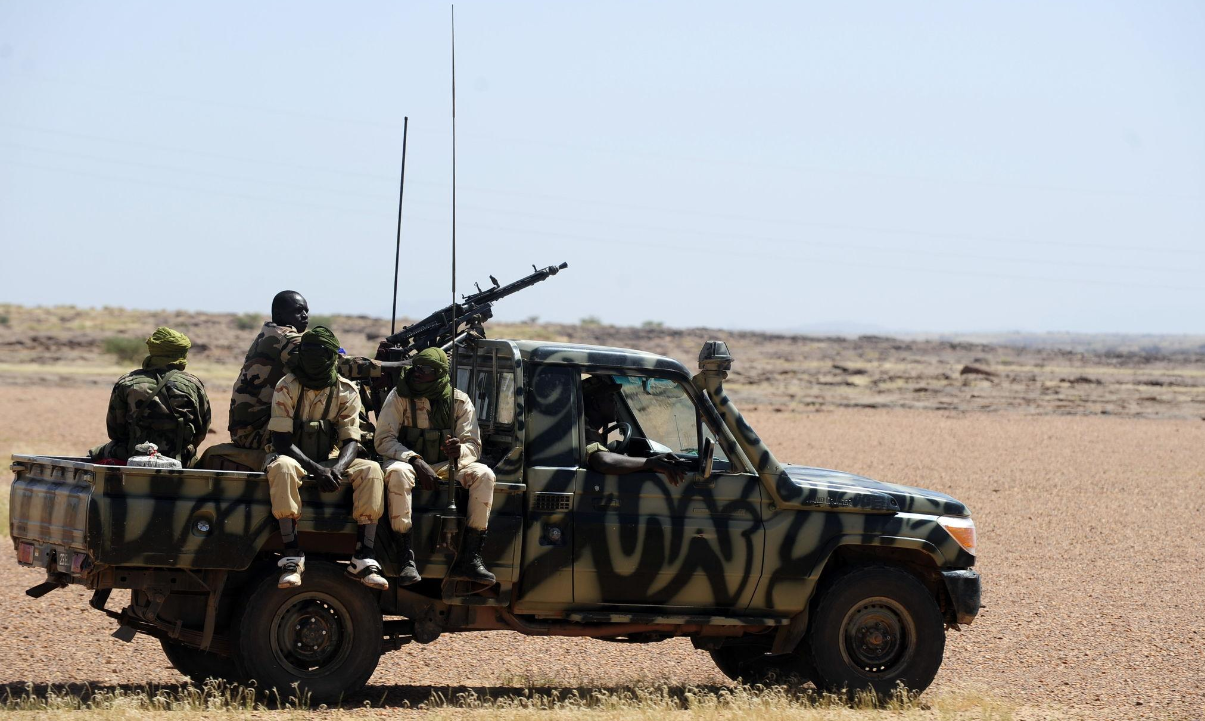
The attack unfolded approximately 35 kilometres from Agadez, targeting a convoy of passenger buses. Witness accounts describe heavily armed individuals opening fire in a coordinated assault, sparking intense gunfights with security personnel escorting the vehicles. The attack resulted in multiple casualties, including fatalities, as well as a significant number of critically injured passengers.
As details continue to emerge, the exact circumstances of the assault, the identities of the attackers, and their motives remain unclear. Official confirmation has yet to be released, leaving many questions unanswered at this critical stage.
Why the Agadez-Arlit corridor matters to Niger’s economy and security
The Agadez-Arlit route is more than just a road—it is the backbone of trade and mobility in northern Niger. Agadez, a historic trading hub in the Sahara, connects to Arlit, a city central to the region’s mining and commercial activity. For communities across the north, this route is essential for accessing healthcare, education, and economic opportunities.
But when safety is compromised, the impact ripples through the entire region. Families face uncertainty, transport operators weigh the risks of continuing services, and passengers reconsider whether travel is worth the danger. The economic toll—rising transport costs, disrupted supply chains, and lost trade—only deepens the crisis.
A security challenge testing Niger’s resolve
Northern Niger has long struggled with insecurity, and this attack underscores the persistent threats facing strategic transport corridors. The vast, sparsely populated Sahara presents immense challenges for security forces: vast distances, difficult terrain, and limited infrastructure make monitoring and protection a formidable task.
Reports suggest security personnel were present during the attack, raising urgent questions about response times, coordination, and evacuation efforts. For authorities, the incident demands a comprehensive review of security protocols, not just for this route but across Niger’s vulnerable highways.
The human cost behind the headlines
Behind every statistic is a person—a traveller with plans, a family member, a breadwinner. The wounded require immediate medical care, while grieving families seek clarity and closure. In a climate of fear, unverified reports and graphic imagery only amplify distress, making responsible communication just as critical as swift action.
The provisional nature of the death toll and injuries means the situation remains fluid. As investigations progress, families demand answers: Who were the victims? What happened during the attack? Will justice follow? For those who rely on the Agadez-Arlit road daily, one question looms largest: How can they travel without fear of becoming the next target?
What’s next for Niger’s transport safety?
As Niger grapples with this latest tragedy, the nation must confront difficult choices. Strengthening security on rural roads, improving emergency response, and restoring public confidence in travel are no longer optional—they are urgent priorities. For the victims’ families, the priority is truth. For Niger’s future, it’s a safer path forward.
For now, the Agadez-Arlit route remains a question mark: a vital artery for the nation, yet a potential death trap for those who traverse it.