Rome’s bold gamble: cracking down on urban violence without crushing civil rights
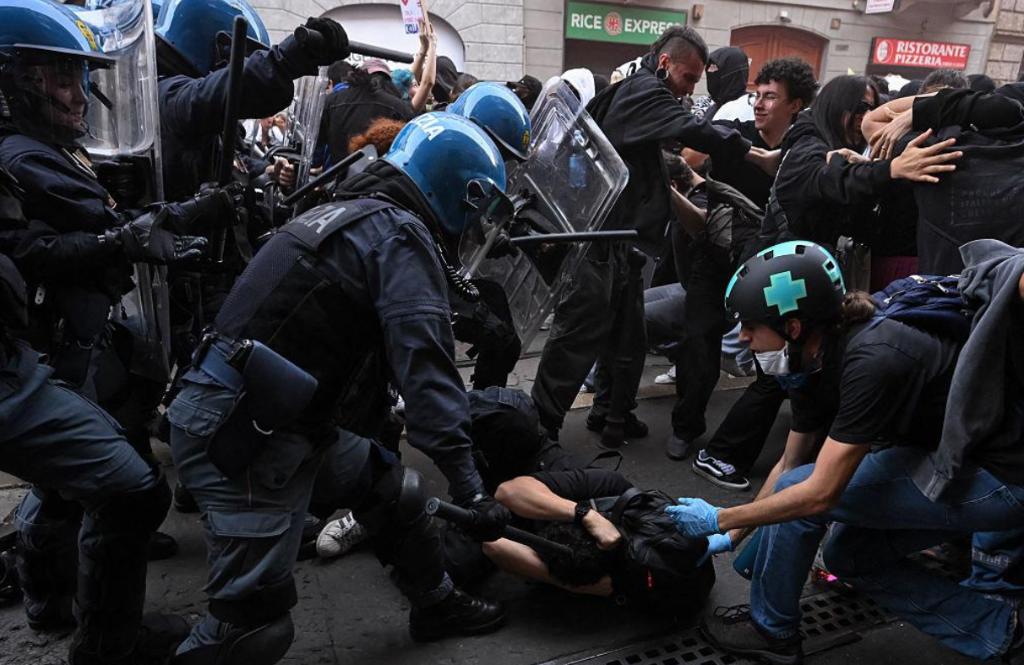
After street riots in Milan and other northern cities left storefronts shattered and police officers under fire, Italy’s government under Prime Minister Giorgia Meloni has unveiled a sweeping new security decree. Effective immediately, the tougher penalties and expanded parental accountability signal a decisive shift—but at what cost to fundamental freedoms?
What’s in the new decree?
The October 2026 emergency law introduces stricter punishments for collective violence. Any group of five or more individuals participating in public disorder now faces up to five years in prison and fines as high as €20,000. Penalties escalate if protesters hide their identities or injure others, targeting not just rioters on the ground but also organizers who use digital platforms to incite unrest.
For adolescents aged 14 and older, the decree lowers the threshold for criminal charges and expands preventive detention for 14- to 17-year-olds deemed a public danger. A highly controversial clause also allows authorities to hold parents financially liable for damages caused by their minor children, aiming to deter repeat offenses through family accountability.
Milan at the epicenter of the crackdown
The capital of Lombardy has become the laboratory for this stricter enforcement. An additional 500 military personnel have been deployed under Operation Strade Sicure to bolster security at high-risk sites. The move follows violent confrontations that left commercial areas in ruins and police officers injured. Yet behind the vandalism lay deeper grievances over rising energy costs, housing prices, and crumbling access to public services—issues the government insists cannot justify physical destruction.
Critics argue that an approach focused solely on repression fails to address the social roots of unrest, while supporters claim decisive action is needed to restore public safety and deter future outbreaks.
Balancing security and civil liberties
Since taking office in 2022, Meloni’s administration has prioritized tougher security policies, sparking debates about proportionality. Legal experts and civil rights advocates warn that expanding preventive detention for minors and broadening parental responsibility could infringe on constitutional guarantees. Although the decree entered force immediately, it must still clear parliamentary approval within 60 days—opening a window for heated negotiations.
Will the strategy work—or backfire?
The government’s stated goal is clear: restore order while maintaining democratic safeguards. Yet the true test lies in implementation. Will these measures prevent future violence, or will they fuel deeper societal divisions? As Milan braces for continued monitoring and the rest of Italy watches closely, one question remains unanswered: can a zero-tolerance policy toward urban disorder coexist with the preservation of public freedoms?