As Mali grapples with rising meat prices and public frustration, the government’s latest move to ban livestock exports for six months has sparked intense debate. Rather than addressing the core issues fueling inflation, officials are taking the path of least resistance—imposing blanket restrictions that threaten to destabilize one of the country’s most vital economic sectors.
Why the government’s export freeze could backfire spectacularly
At first glance, the ban appears to be a quick fix: restrict foreign sales to keep more meat on local shelves and ease pressure on household budgets. Yet this strategy ignores a harsh economic reality—livestock exports generate over $150 million annually and support thousands of jobs in Mali’s private sector. By cutting off these revenue streams, the state risks suffocating the very businesses it claims to protect.
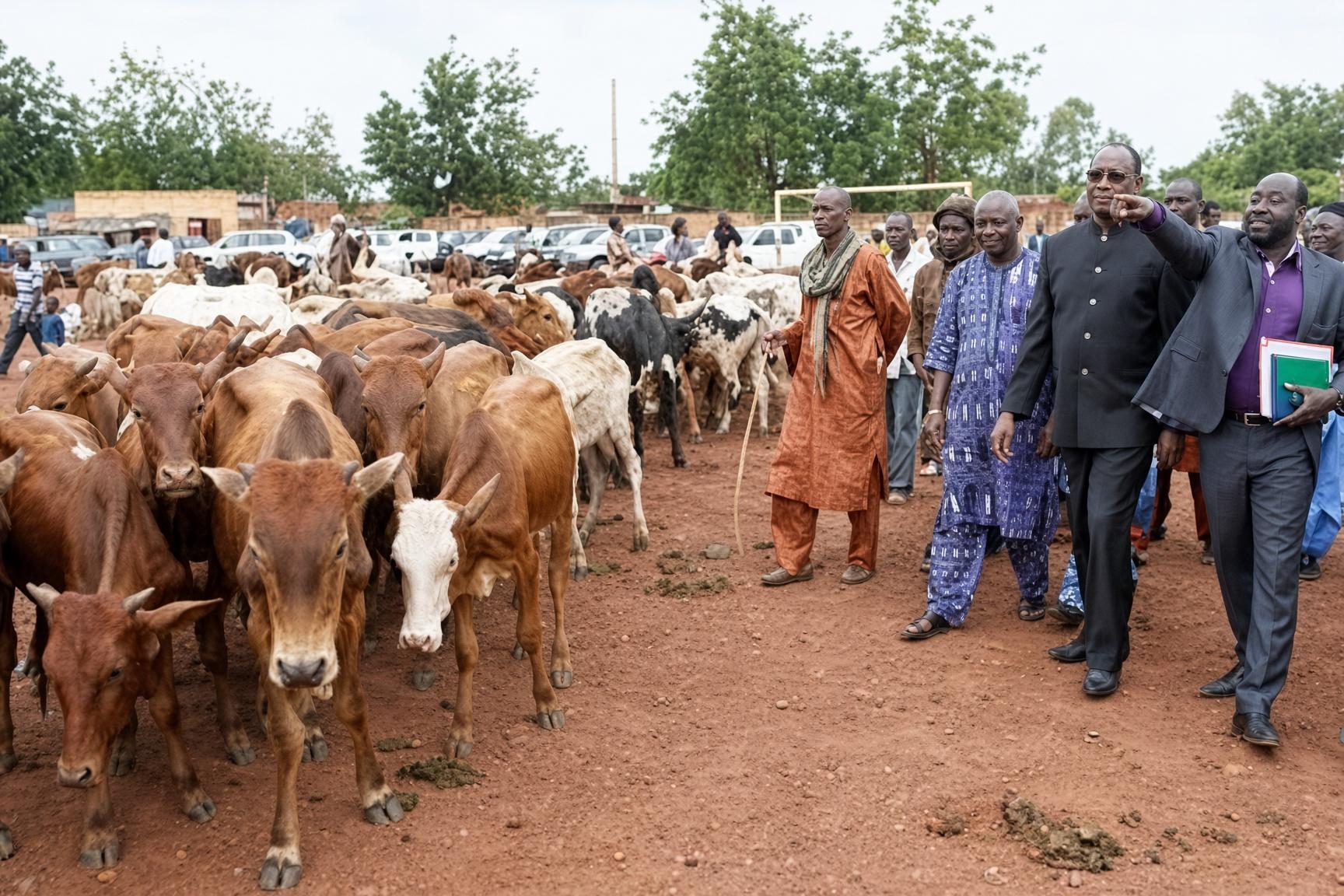
The impact is already being felt. With borders toward Senegal, Côte d’Ivoire, and Guinea abruptly sealed, traders and herders face mounting losses. Stockpiles are growing, margins are shrinking, and supply chains are grinding to a halt. Instead of easing the crisis, this heavy-handed intervention could deepen it by discouraging investment in livestock production and driving up long-term costs.
What’s really driving meat prices higher in Mali?
The government’s narrative—that private traders are to blame for inflated prices—overlooks the true drivers of this crisis. Three major factors are distorting the market:
- Disrupted supply chains: Administrative decisions, such as relocating livestock markets without proper planning, have created bottlenecks that delay the movement of animals to processing facilities and consumers.
- Soaring feed costs: Rising prices for animal feed, including imported oilseed cakes, have squeezed profit margins for livestock farmers across the country.
- Security threats and extortion: Armed groups and corrupt officials continue to extort transporters along critical trade routes, adding hidden costs to every transaction.
Rather than dismantling these barriers, the state is adding another layer of bureaucracy—one that will likely worsen the problem by stifling competition and reducing incentives for efficiency.
Long-term growth at stake: Why this ban is a step backward
History has shown that price controls and export bans rarely achieve their intended goals. In Mali, the livestock sector is a cornerstone of the economy, contributing over 15% to GDP and providing livelihoods for rural communities. Yet government intervention risks undermining its potential.
Foreign buyers, who once viewed Mali as a reliable supplier, may now look elsewhere, permanently altering trade relationships. Local investors, wary of sudden regulatory shifts, could pull back from expanding production or adopting modern techniques. The result? A self-inflicted wound that weakens Mali’s position in regional markets and prolongs food insecurity.
If the state truly wants to stabilize prices, it should focus on removing administrative hurdles, securing trade routes, and reducing unnecessary taxes—not imposing blanket bans that punish the very entrepreneurs driving the economy forward.
What’s the alternative? Real solutions for sustainable relief
The government’s export freeze is a short-term bandage on a gaping wound. To build a resilient livestock sector, policymakers must shift their approach and prioritize:
- Rebuilding trust with private traders: Instead of treating entrepreneurs as scapegoats, treat them as partners in solving the crisis.
- Strengthening market infrastructure: Invest in better storage facilities, transparent pricing mechanisms, and efficient distribution networks to reduce waste and inefficiency.
- Ensuring security on key routes: Deploy resources to protect transporters and reduce extortion, which inflates costs at every level of the supply chain.
- Encouraging regional cooperation: Work with neighboring countries to harmonize trade policies and combat smuggling, rather than unilaterally imposing barriers that hurt all parties involved.
The livestock sector is too critical to Mali’s economy to gamble with heavy-handed tactics. A smarter, more collaborative strategy could ease price pressures while safeguarding jobs and long-term growth. The question now is whether the government will double down on its flawed approach—or finally listen to the voices advocating for real, lasting solutions.