Riyadh airport attack fallout: global reactions, safety fears and what could come next
When missiles and drones struck Riyadh’s King Khalid International Airport on Saturday, October 10, the immediate toll was devastating: 13 dead and 308 wounded, according to Saudi authorities. The attack, claimed by Yemen’s Houthi movement, has triggered a wave of international reactions and a heated debate over how the kingdom will respond — and whether travelers can still trust the safety of Saudi skies.
The strike and its immediate aftermath
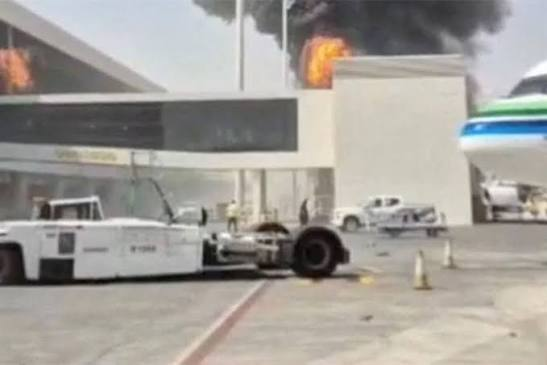
The first attack left a passenger hall in flames after a projectile penetrated the airport’s defenses. Saudi air defenses intercepted some of the incoming fire, but not all. The airport suspended all operations to assess damage and carry out security sweeps. The following day, a second projectile hit Terminal 4, sparking a new fire that killed one person and injured 11 others, authorities confirmed. The double strike has left the airport reeling and raised urgent questions about the effectiveness of the kingdom’s air shield.
Houthi claims and warnings
Houthi military spokesman Yahya Saree said the group targeted Riyadh airport with missiles and drones, and also claimed attacks on Dammam airport and Saudi oil facilities. The group warned airlines to avoid using the kingdom’s airports and airspace. The claims mark a significant escalation in the Houthis’ long-range strike capabilities, and their explicit warning to commercial carriers has sent shockwaves through the aviation industry.
Why the Houthis say they attacked
The Houthis justify their operations against Saudi Arabia by pointing to Riyadh’s support for Yemeni government forces and the Saudi-led airstrikes inside Yemen. In recent months, fighting has intensified after an offensive by Saudi-backed forces and a resumption of strikes on Houthi positions. The group insists its attacks on the kingdom are a direct response to that intervention. Saudi officials, meanwhile, view the strikes on their territory as a direct threat to civilians and critical infrastructure. The spokesperson for the Riyadh-led coalition condemned the attack, and authorities have tightened security around the targeted sites.
Reactions: calls for restraint and fears of escalation
International reactions have been swift, with multiple governments and diplomatic missions urging de-escalation and expressing concern over the growing risk of a wider regional conflict. Some have called for renewed diplomatic efforts to end the Yemen war, while others have emphasized the need to protect civilian infrastructure. The attack has also sparked debate within Saudi Arabia about the adequacy of its air defenses and the possibility of further strikes on airports and strategic sites. The fear is not just of more casualties, but of a sustained campaign that could cripple the kingdom’s connectivity and economy.
Impact on travelers and aviation
The temporary closure of Riyadh airport and the subsequent safety inspections have caused significant air traffic disruptions, with delays and cancellations affecting thousands of passengers. Authorities and several diplomatic missions have advised travelers to follow security instructions and check their flight status before heading to the airport. Airlines are now weighing the risks of operating in Saudi airspace, and some may reroute or suspend services. The travel industry is bracing for a prolonged period of uncertainty.
What comes next for Saudi Arabia and the region
Beyond the human toll, these attacks highlight the danger of the Yemeni conflict spilling further into Saudi territory. They raise fears of additional strikes on airports and strategic infrastructure, even as calls for de-escalation multiply. The coming days will be crucial: how Saudi Arabia responds — whether with retaliatory strikes, diplomatic outreach, or a mix of both — will shape the trajectory of the conflict. For now, the kingdom faces a stark choice between escalation and restraint, with the safety of its citizens and the stability of the region hanging in the balance.