In May 2025, a $17.6 million transfer from a Democratic Republic of Congo (DRC) government account to a Texas-based defense firm raised eyebrows in Washington. The transaction, linked to Richard ‘Ric’ Grenell—a former U.S. ambassador and close ally of Donald Trump—has now become a flashpoint in debates over financial transparency and political influence.
How a Congo-Team America funding deal became a Washington controversy
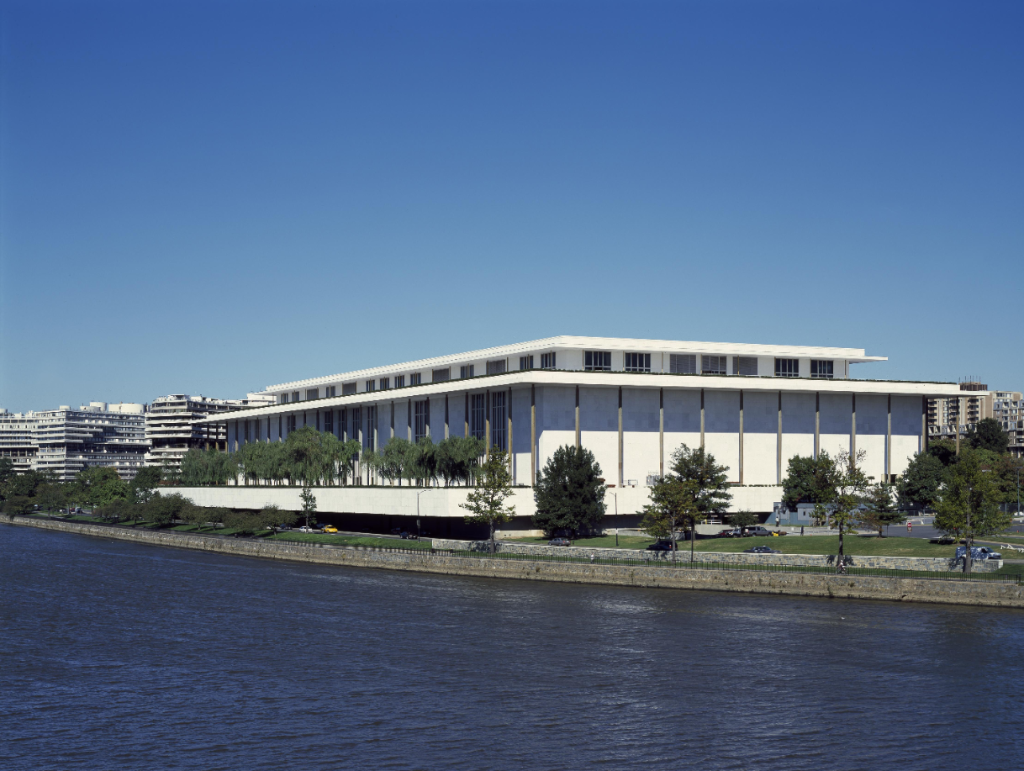
The money, sent to Texas Armament & Technology (TX-AT), has drawn scrutiny over its origins and intended use. Reports suggest that nearly $5.6 million of the funds were allegedly earmarked for the Kennedy Center, a high-profile Washington cultural institution where Grenell served in a leadership role at the time.
But with no clear documentation surfacing to confirm that donation, questions are mounting about where that money actually went—and whether it may have been redirected or misused.
Grenell pushes back against financial misconduct claims
Grenell, a prominent figure in Trump’s political circle, has denied any wrongdoing. Citing unverified messages attributed to him, some critics have alleged that he implied VIP access to Trump or policy influence in exchange for financial support to the Kennedy Center. Grenell has dismissed these assertions as unfounded, insisting the transfer followed standard financial procedures.
Yet the White House’s internal review of the matter reflects broader unease. The case intertwines government funding, private defense contracts, and high-level political networks—raising concerns about potential conflicts of interest.
A DRC government fund under the microscope
In Kinshasa, the controversy strikes a national nerve. The DRC Ministry of Finance account from which the $17.6 million was drawn is meant for public purposes. Questions persist: Was the transfer part of a legitimate defense contract? Was it authorized by the correct officials? And what did the Congolese government receive in return?
While businessman Turhan Mildon—whose company has infrastructure interests in the DRC—has been cited in media reports, no verified evidence directly links him or his business to the transaction. The absence of clear contractual documentation further fuels uncertainty.
Public funds, public trust: Kinshasa faces transparency scrutiny
The DRC has long grappled with public perception issues around resource management. Any transfer of state funds—especially across borders—must be fully traceable, properly authorized, and publicly accountable. If irregularities exist, they could undermine not just financial governance but political credibility.
At this stage, no official findings have confirmed misuse or illegal diversion of the funds. Yet the lack of verifiable trail invites deeper scrutiny over how such large transfers are approved and monitored.
What’s next: transparency, investigation, and answers
As the White House conducts its review, the case remains unresolved. The core questions linger: Who in Kinshasa authorized the payment? Why was a U.S. defense contractor the beneficiary? And where did the alleged $5.6 million intended for the Kennedy Center ultimately go?
Until financial records, audit trails, and administrative approvals are examined, the saga will continue to hover over both Congolese governance and U.S.-Africa financial accountability.