An image that exposes a power vacuum
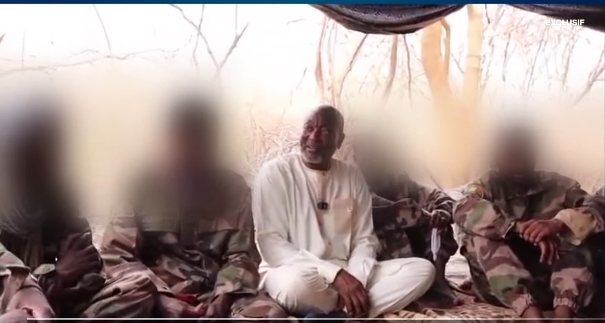
A single photograph has ignited fierce debate in Mali, revealing a stark contrast between humanitarian relief and the erosion of state authority. The image depicts exiled opposition leader Oumar Mariko standing alongside fighters from the Group for the Support of Islam and Muslims (JNIM)—the al-Qaeda affiliate operating in the Sahel—after securing the release of 17 hostages. While the captives’ freedom is undeniably welcome, the circumstances surrounding their liberation underscore a troubling reality: the Malian government’s inability to assert control over its own territory.
The state’s conspicuous absence
The fact that an outspoken critic of Bamako’s transitional authorities could broker such a high-stakes deal raises critical questions about the reach—and limitations—of Mali’s security apparatus. How does an opposition figure, barred from official channels, move freely and negotiate with armed groups when the state’s own institutions appear paralyzed? This private mediation highlights a dangerous trend: the gradual transfer of state functions—security, justice, even negotiation—to non-state actors. For analysts and citizens alike, it signals a government losing its grip on sovereignty, ceding authority to informal players in regions where the writ of Bamako has all but vanished.
A calculated propaganda victory for JNIM
The JNIM’s involvement in this hostage release was no act of benevolence. Instead, it represents a deliberate propaganda strategy designed to achieve two key objectives. First, the group seeks to reframe its image as a pragmatic, almost statesmanlike force, willing to engage in dialogue and humanitarian gestures. Second—and far more insidiously—it positions itself as the de facto authority in areas where the Malian state has failed to protect its people. By stepping into roles traditionally reserved for elected officials and security forces, the militants further undermine the credibility of the republic’s institutions, making it harder for Bamako to reclaim legitimacy in the eyes of rural populations.
“Sovereignty is not declared in speeches from Bamako; it is proven by the state’s ability to safeguard its citizens without intermediaries.”
The hidden costs of backchannel diplomacy
While the rescued hostages and their families may feel relief, the long-term consequences of such informal negotiations are deeply concerning. First, the financial toll is substantial. Though rarely acknowledged openly, the payment of covert ransoms—whether in cash, resources, or concessions—directly funds future attacks against Mali’s armed forces and civilian targets. Second, the very act of negotiating with terrorists lends them a veneer of legitimacy. It implicitly acknowledges their control over swaths of territory, emboldening their recruitment and eroding public trust in a centralized government that appears powerless to act.
Two Mali’s in stark contrast
Mali today is a nation divided between two realities. In the capital, Bamako, the narrative remains one of progress: military offensives, territorial gains, and a commitment to restoring state authority. But beyond the urban centers, in the rural hinterlands, a different story unfolds. Here, communities grapple with the harsh necessity of survival, often forced into uneasy coexistence with armed groups to secure basic safety. For these populations, the state’s promises ring hollow. The absence of security forces and the inability of local officials to intervene mean that survival often depends on pragmatic arrangements with those who wield power—and guns—on the ground.
The urgent task of reclaiming state authority
The episode involving Oumar Mariko is more than a humanitarian footnote; it is a glaring warning sign. By allowing private actors, opposition figures, and even militant groups to handle matters as critical as national security, Mali risks deepening its fragmentation. The challenge facing Bamako is no longer purely military—it is existential. Restoring the state’s authority will require more than troops on the ground; it demands a political strategy capable of wresting control from the shadows of armed groups and reasserting the republic’s legitimacy in every corner of the country.