Diplomatic contradictions: Accuse or cooperate, but not both
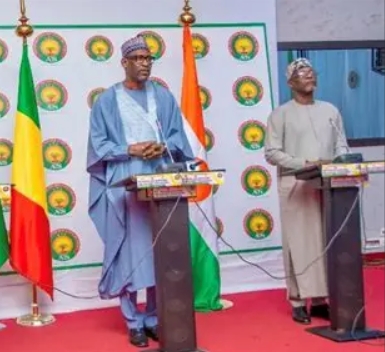
The foreign ministers of Niger and Mali have recently delivered a perplexing message: they vehemently denounce their West African neighbors in the Economic Community of West African States (ECOWAS) for allegedly supporting armed terrorist groups, yet simultaneously express willingness to engage in limited collaboration with the same bloc. This inconsistent stance reveals a deeper dilemma: severing ties with a regional partnership is far easier said than done.
The crux of the issue lies in credibility. International relations thrive on coherence, and double-edged rhetoric undermines trust. If a nation publicly brands neighboring governments as accomplices in terrorism, it becomes illogical—if not hypocritical—to propose economic cooperation the following day. Such contradictions risk tarnishing the reputation of Sahelian leaders on the global stage, where reliability is a currency more valuable than political posturing.
Geography’s unyielding grip: Why landlocked nations can’t escape regional networks
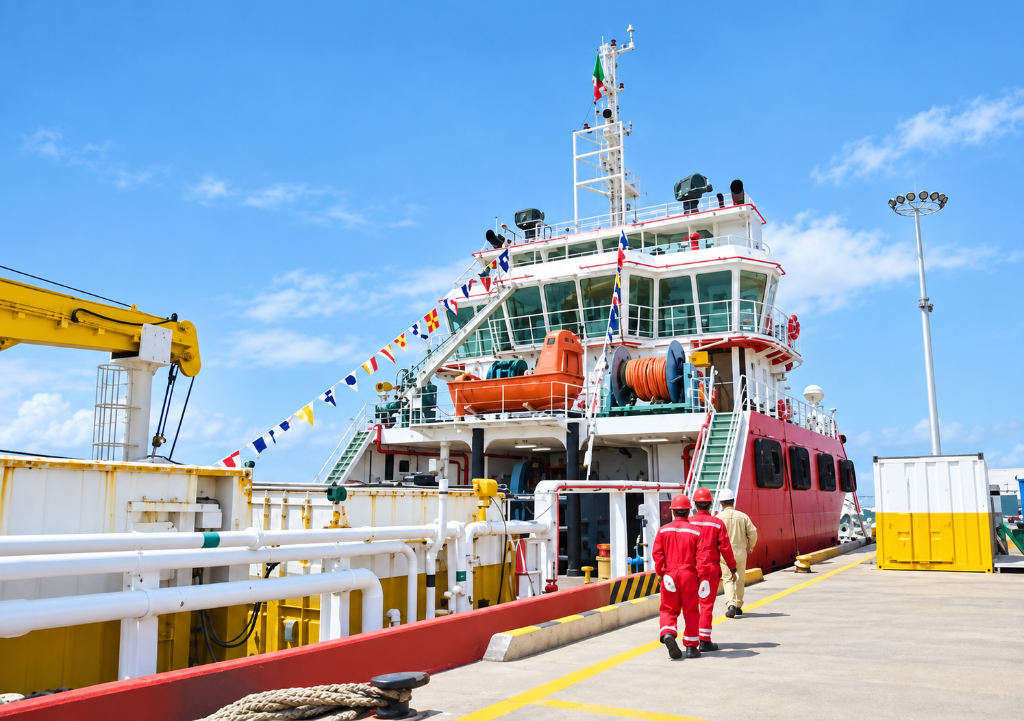
The aspiration for “total independence” by withdrawing from ECOWAS has collided with an immutable truth: geography dictates economic survival. Niger and Mali, both landlocked, rely entirely on coastal ports such as Cotonou, Lomé, and Abidjan to import essential goods—rice, sugar, medicine, and construction materials. Cutting off ties with these neighbors doesn’t erase the need for their infrastructure; it merely transforms them into adversaries while leaving the Sahelian economies stranded.
The economic fallout would be immediate and devastating. Transport costs would skyrocket, triggering price surges that would cripple already vulnerable populations. By seeking renewed cooperation, the ministers of the Alliance of Sahel States (AES) implicitly acknowledge a stark reality: self-sufficiency is a fantasy. No nation, no matter how defiant, can thrive in isolation when its survival hinges on regional lifelines.
The impossible equation: Leaving the club but keeping the perks
Withdrawing from ECOWAS was a bold political statement, designed to appease domestic factions demanding a break from the past. Yet the attempt to retain the bloc’s technical advantages—free movement of goods and people—while rejecting its rules is a contradiction in terms. Membership in any alliance, whether political or economic, is a package deal: benefits are inseparable from obligations.
Consider the analogy of a shared apartment: you cannot kick down the door to leave, insult your roommates, and then expect to keep using the electricity and water without paying the rent. The AES leaders may seek to dismantle the old order, but they cannot dismantle the practical necessities that underpin regional trade. In severing political ties, they erode the legal safeguards that protect their own merchants and investors, leaving them exposed to arbitrary barriers and retaliatory measures.
From anger to strategy: Why pragmatic cooperation trumps empty rhetoric
Emotions may fuel headlines, but they do not forge foreign policy. The scathing accusations leveled at ECOWAS members may resonate with domestic audiences, yet they solve none of the Sahel’s crises—neither hunger nor insecurity. Terrorism, by its very nature, transcends borders. Al-Shabaab, Boko Haram, and Jama’at Nusrat al-Islam wal Muslimin exploit divisions between nations, thriving in the chaos of fractured alliances.
To counter this threat, intelligence-sharing and military coordination must transcend political feuds. Dividing neighbors is not a strategy; it is an invitation for extremists to exploit the rifts. The AES cannot wage an effective war against terrorism while simultaneously undermining the very institutions that could provide the tools to do so.
True sovereignty: More than words, it’s about feeding and protecting
Mali and Niger are learning the hard way that sovereignty is not a slogan—it is the tangible capacity to feed a nation, heal its sick, and secure its streets. Pretending otherwise is a gamble with the lives of millions. The reality is that good neighborliness is not a choice; it is a necessity. A nation’s strength is measured not by the ferocity of its defiance, but by its ability to deliver prosperity and security to its people.
The lesson is clear: isolation is a luxury no landlocked nation can afford. The path forward requires moving beyond empty defiance and embracing the uncomfortable truth that regional cooperation, however flawed, remains the cornerstone of stability and development.