When discussing Patrice Talon’s legacy, one achievement stands out above all others: roads. Over the past decade, the Beninese leader has fundamentally transformed the nation’s infrastructure. What were once dusty, pothole-ridden tracks have been replaced with smooth, modern asphalt. From the bustling streets of Cotonou to the remotest villages, Talon’s infrastructure push has put progress within reach for every Beninese citizen. As his presidency nears its end, it’s impossible to reflect on his tenure without acknowledging this monumental feat. The nation’s road network now serves as a shining testament to his vision—and it speaks volumes.
a vision rooted in connectivity
In 2016, Patrice Talon inherited a country where crumbling roads crippled progress. He recognized a simple truth: without reliable transportation, there could be no economic growth, no thriving markets, no accessible healthcare, and no education opportunities. His solution? A nationwide transformation. Talon set out to break the isolation of rural communities, link farms to urban centers, and create a business-friendly environment through clean, well-connected cities. A decade later, his vision has not only materialized—it has exceeded expectations. The numbers don’t lie.
2,000 kilometers and counting
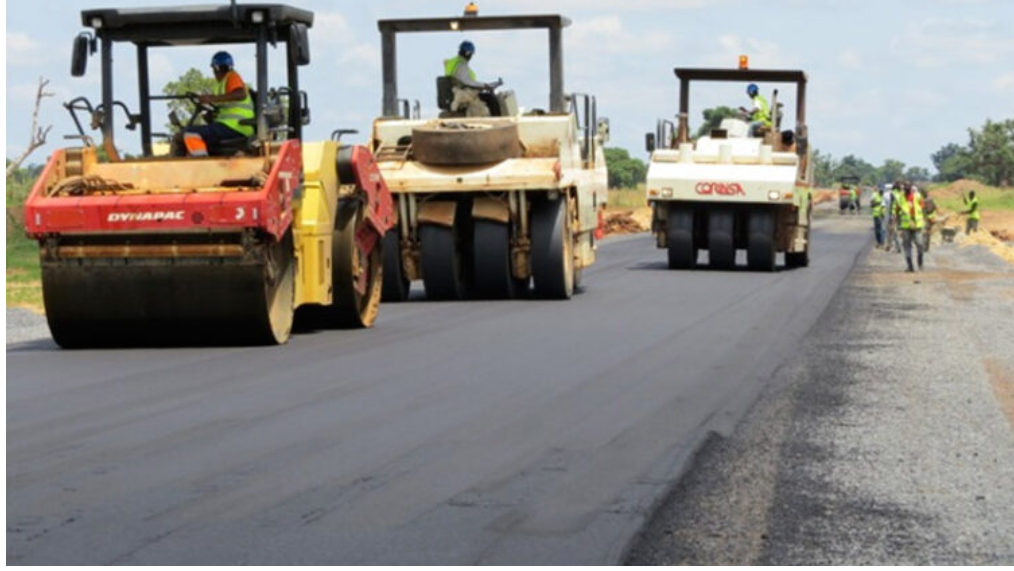
Benin had never witnessed such an infrastructure boom. Official records confirm that over 2,000 kilometers of roads have been paved. But the work isn’t over. More than 1,100 additional kilometers are currently under construction. This means thousands of families now enjoy smooth, dust-free travel right outside their homes. Farmers can transport goods without fear of damaging their vehicles. Parents can safely take their children to school. No longer are communities isolated islands—they are connected hubs of activity and opportunity.
urban renewal through asphalt
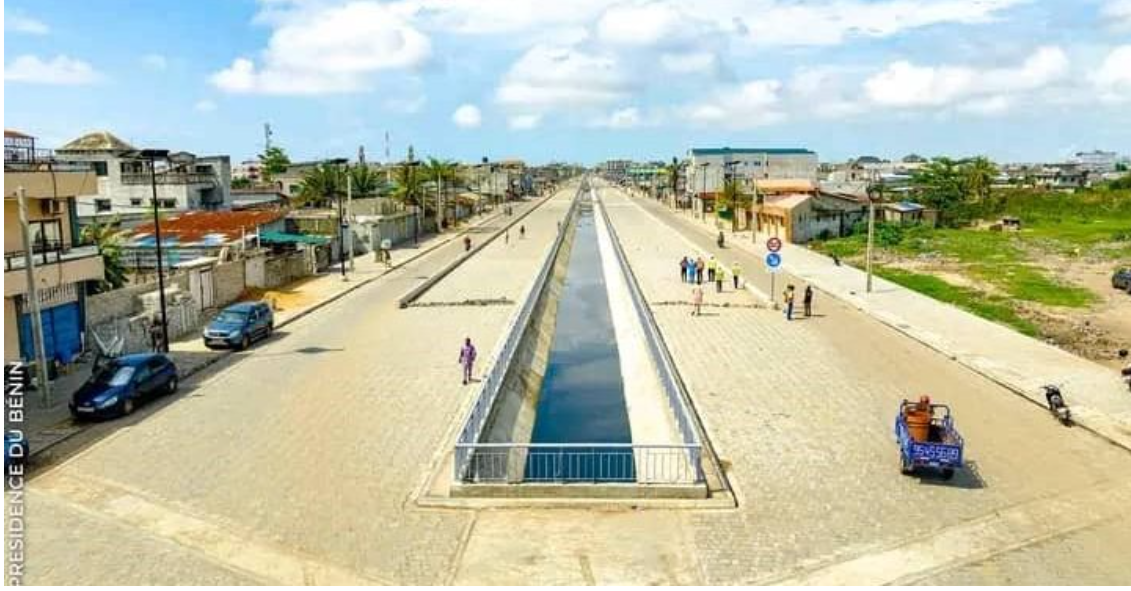
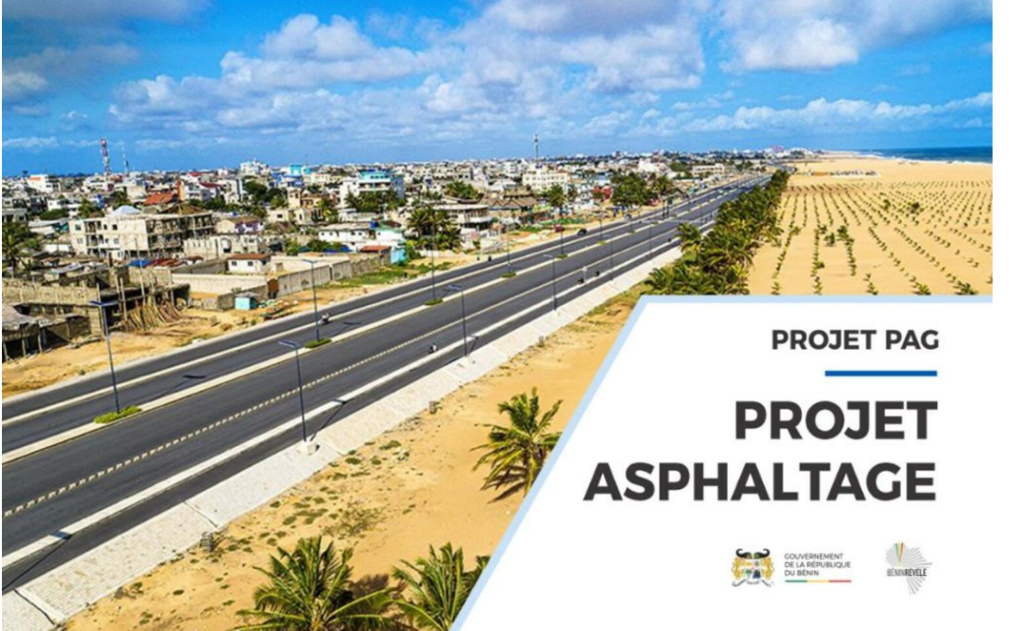
The Asphaltage initiative became the cornerstone of this transformation. This groundbreaking program touched every major city—from Cotonou, the economic heart of the nation, to Porto-Novo, the political capital, and Parakou, the gateway to the north. Towns like Abomey-Calavi, Djougou, Kandi, Ouidah, and many more underwent dramatic makeovers. Abandoned neighborhoods were rejuvenated, streets were widened, and public spaces regained their dignity. The impact is visible and deeply felt.
Walking through Cotonou today is a completely different experience. Gone are the potholes that swallowed car wheels whole. Gone are the muddy traps that ensnared pedestrians during the rainy season. Gone are the suffocating dust clouds that plagued residents in the dry months. The city is cleaner, safer, and more efficient. Commuting to work is no longer a battle—it’s a smooth, modern journey. The pride of Beninese citizens has been restored. Children play in clean streets. Vendors set up stalls without fear of sudden flooding. Ambulances and fire trucks arrive faster. The bitumen has not just paved roads—it has paved the way for progress.
connecting benin to the region
Talon’s ambitions extended far beyond national borders. One of the most transformative projects was the rehabilitation of the Cotonou-Niamey highway, linking Benin to Niger. This vital trade artery now allows trucks laden with goods to travel day and night without delay. The historic Route des Pêches also underwent extensive upgrades, with modern bridges sprouting across rivers and expanded lanes to ease congestion. Travel times that once stretched for hours now take minutes. Benin has become a strategic crossroads for neighboring countries, fostering regional integration and economic synergy.
a cultural shift in national pride
The most profound impact of Talon’s road revolution might be the shift in public perception. Beninese citizens no longer ask, “When will our roads be fixed?” Instead, they ask, “Which town will be paved next?” This change in mindset is revolutionary. Communities take pride in showcasing their neighborhoods. Visitors marvel at the transformation. Foreign investors are increasingly choosing Benin as a destination, drawn by the promise of a nation on the move, a nation that builds, connects, and grows.
Patrice Talon has achieved the unthinkable. In a single decade, he has laid more asphalt than all his predecessors combined. He has given the Beninese people roads worthy of the 21st century. He has unlocked previously neglected regions, turning isolated villages into thriving communities. Markets flourish along new routes. Farmlands that were once inaccessible are now productive. Local economies are thriving. The nation’s reputation has soared beyond its borders, earning praise from technical partners and financial institutions alike. This isn’t happenstance—it’s the result of relentless dedication and unwavering commitment.
Under Talon’s leadership, asphalt has evolved from a mere construction material into a powerful symbol. It represents progress, restored dignity, and a Benin that strides forward with confidence. This legacy is indelible—not just in the pavement beneath our feet, but in the hearts of a nation.