The question looming over Burkina Faso’s diplomatic absence
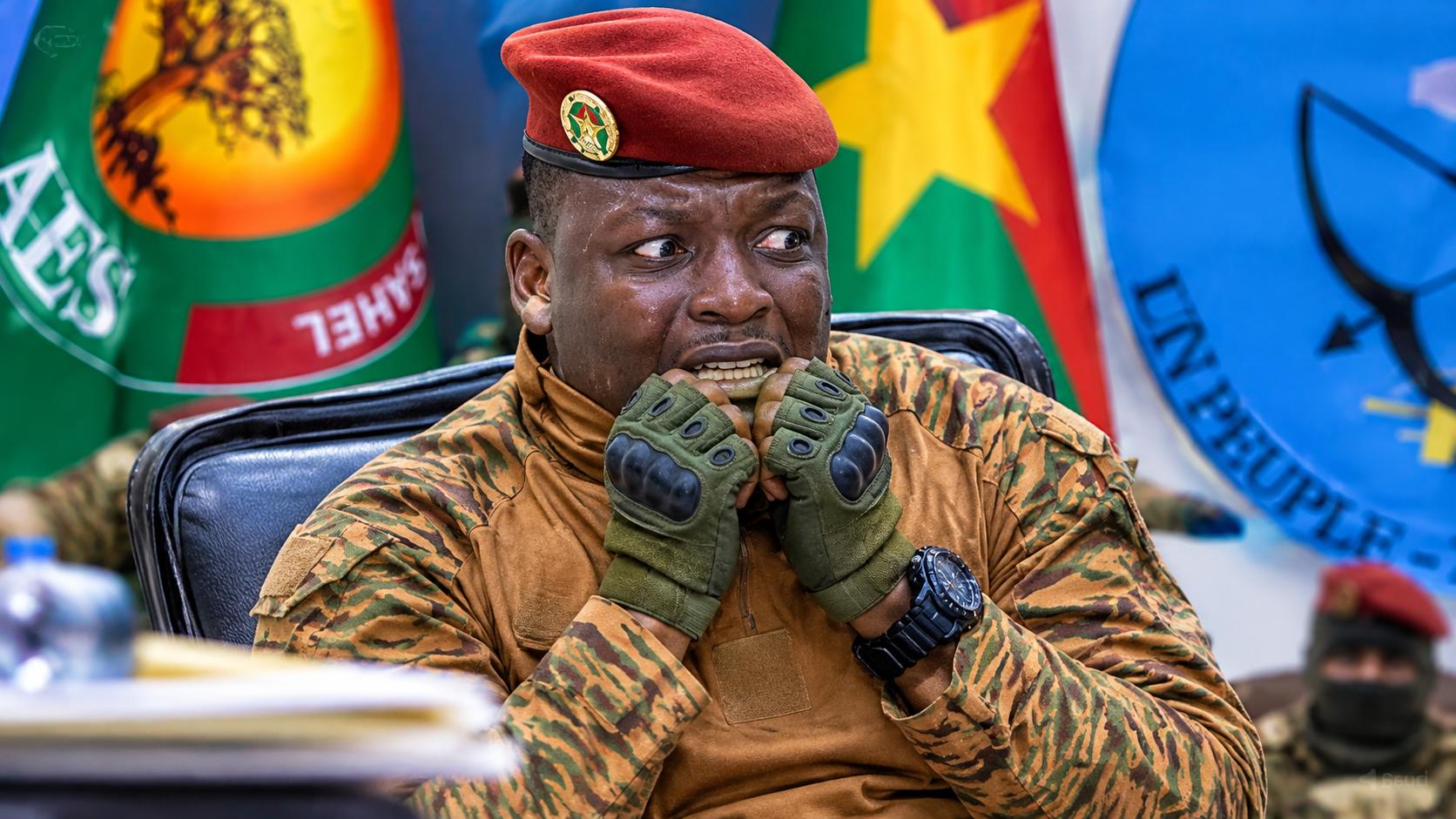
For years, Ibrahim Traoré has positioned himself as a bold statesman reshaping Burkina Faso’s foreign policy, forging an alliance with Moscow that has defined his leadership. Yet his unexpected absence from the Russia-Africa summit raises a critical question: is the Burkina Faso leader grappling with internal instability that now threatens to overshadow his international image?
The paradox of a leadership built on external influence and internal doubt
Traoré’s strategic pivot toward Russia has been more than just diplomatic maneuvering it has become a cornerstone of his political identity. By positioning himself as a champion of sovereignty against foreign interference, he has cultivated an image of resolve that resonates with both domestic and international audiences.
However, the very alliances that bolster his global standing may be masking vulnerabilities closer to home. Reports suggest his absence from the summit was not merely a scheduling decision but a precautionary measure driven by concerns within his inner circle. If verified, this could signal that the stability of his regime is as fragile as the alliances he has worked to project.
Building a narrative of strength and the risks it entails
Under Traoré’s leadership, Burkina Faso’s foreign policy has been meticulously crafted to emphasize autonomy and resistance to external pressure. Every diplomatic gesture, from joint statements with Russian officials to strategic messaging on social media, has reinforced a narrative of unshakable determination.
Yet this carefully constructed image may now be at odds with the realities within his own government. Critics argue that an overemphasis on messaging has diverted attention from pressing domestic challenges, including security threats and humanitarian crises. The danger? A leadership that relies too heavily on perception may find its internal support eroding when results fail to match promises.
Military alliances and the fragility of loyalty in transition regimes
In Burkina Faso’s post-coup political landscape, power is not solely held by one leader but shared among military factions, security apparatuses, and political allies. The same individuals who helped Traoré seize power may now harbor conflicting ambitions or divergent priorities.
Where personal loyalty was once assumed, it is now being tested. The distribution of influence, access to decision-making centers, and control over security structures could sow divisions that undermine Traoré’s authority. Such internal fractures do not necessarily mean a coup is imminent but they do expose the precarious nature of power in a regime born from instability.
Separating fear from fact: what Traoré’s absence really signals
The distinction between caution and crisis is crucial. While Traoré’s absence may stem from genuine security concerns, it could also reflect broader anxieties about his grip on power. Yet without concrete evidence such as verified defections, leaked intelligence, or corroborated threats any claim of imminent destabilization remains speculative.
What is undeniable is the broader implication: even leaders who project invincibility on the world stage are not immune to the pressures of internal dissent. Traoré’s diplomatic choices may have bought Burkina Faso external partnerships, but if those choices are not matched by domestic cohesion, his leadership could face an existential reckoning.
Diplomacy as armor or a reflection of cracks within?
At its core, Traoré’s foreign policy has been a shield against both external pressures and internal criticism. By diversifying Burkina Faso’s alliances, he has sought to reduce dependency on traditional partners while asserting national sovereignty. Moscow, in particular, has become a symbol of this new direction.
Yet an absence from a high-profile summit, especially one that celebrates such alliances, raises questions. Is this a strategic move to avoid overcommitment, a response to real security threats, or a sign of fissures within his own camp? The answer remains unclear but the optics are undeniable. A leader whose power depends on projecting strength abroad may now be confronting doubts at home.
The broader stakes: governance beyond the spotlight
The saga unfolding around Traoré’s absence underscores a fundamental truth about leadership in transitioning states: image is not governance. While international summits provide platforms for political signaling, the true test of a regime’s resilience lies in its ability to maintain internal unity and deliver on promises.
For Traoré, the challenge is twofold. On one hand, he must navigate the complexities of Burkina Faso’s security landscape and the expectations of its people. On the other, he must reconcile the narrative he has constructed with the realities of a government still finding its footing. Failure to do so could turn his carefully cultivated alliances into liabilities and his absence from Moscow into a metaphor for deeper troubles.
Only time will tell whether Traoré’s precautions were justified or whether this moment marks the beginning of a more profound reckoning for his leadership. For now, the questions persist: What is really happening behind the scenes in Ouagadougou?
By Daniel Mbami — Journalist