Fourteen months have quietly ticked away—440 days behind bars without a verdict. Choguel Kokalla Maïga, a prominent figure of Mali’s transitional leadership, now navigates confinement while Bamako’s corridors resonate with empty pledges of justice and democratic renewal.
The sharp fall of a public voice
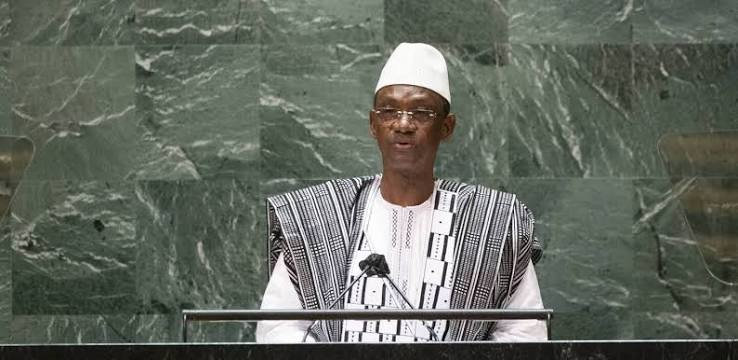
Once, Maïga’s voice carried weight across global platforms. He shaped the ideological backbone of the military transition, delivered resonant speeches at the United Nations, and positioned himself as a defender of Mali’s sovereignty. His words weren’t just rhetoric; they were the rhythmic pulse of the junta’s campaign for international recognition.
But when his public stance shifted—when he dared to question whether Mali’s future should be dictated by a single chain of command—the alliance fractured. The very architect of yesterday’s doctrine became today’s detainee, clashing with the rigid structures he helped erect.
Detention without trial: a tool to silence dissenting voices
The 440-day mark isn’t just a date on a calendar—it’s a glaring indictment of a justice system that has abandoned fairness in favor of indefinite detention. Every postponed hearing, every procedural delay, stacks another layer of isolation around those deemed inconvenient to the ruling narrative.
The paradox of tools turned against their creator
Critics point to legal technicalities to justify Maïga’s prolonged confinement. Yet the irony is undeniable: the mechanisms he once championed are now used against him. The same rules that once fortified Mali’s resistance to foreign influence now justify silencing internal dissent.
A warning echoing through Mali’s political elite
- No track record of service grants immunity.
- No past loyalty protects against future suspicion.
- A single misaligned statement can turn a hero into a target.
His detention sends a clear signal across Mali’s political landscape: today’s ally could become tomorrow’s adversary, and the scales of justice swing unpredictably.
The toll of transforming prisons into political soundproofing
By locking up Maïga, Bamako isn’t merely punishing one individual—it’s erasing a chapter of its own history. The junta’s refusal to engage in open debate, no matter how measured, reveals a deeper insecurity. A regime that fears dialogue hides behind legal loopholes and iron bars, proving skeptics right: Mali’s transition may prioritize control over dialogue.
The dangerous myth of immunity for transitional leaders
Maïga’s ordeal shatters the illusion that architects of military-led transitions are exempt from their own creations. In a system that devours its own architects, loyalty is fragile, and every written promise can be overturned without warning. The junta’s insistence on opacity isn’t accidental—it’s a deliberate strategy to quash dissent before it gains momentum.
What 440 days of forced silence reveal about Mali’s path forward
The global community observes as Bamako’s transition oscillates between authoritarian drift and superficial reform. Each additional week of detention without trial further tarnishes Mali’s democratic standing and widens the divide between official claims and ground reality. Observers conclude that the junta values order over transparency, silence over scrutiny, and control over collaboration.
For Choguel Maïga, 440 days of provisional detention aren’t just a legal anomaly—they’re a political reckoning. They determine whether Mali’s future will be built on dialogue or decrees, inclusivity or exclusion, shared sovereignty or solitary confinement.