From anti-colonial rhetoric to financial dependence
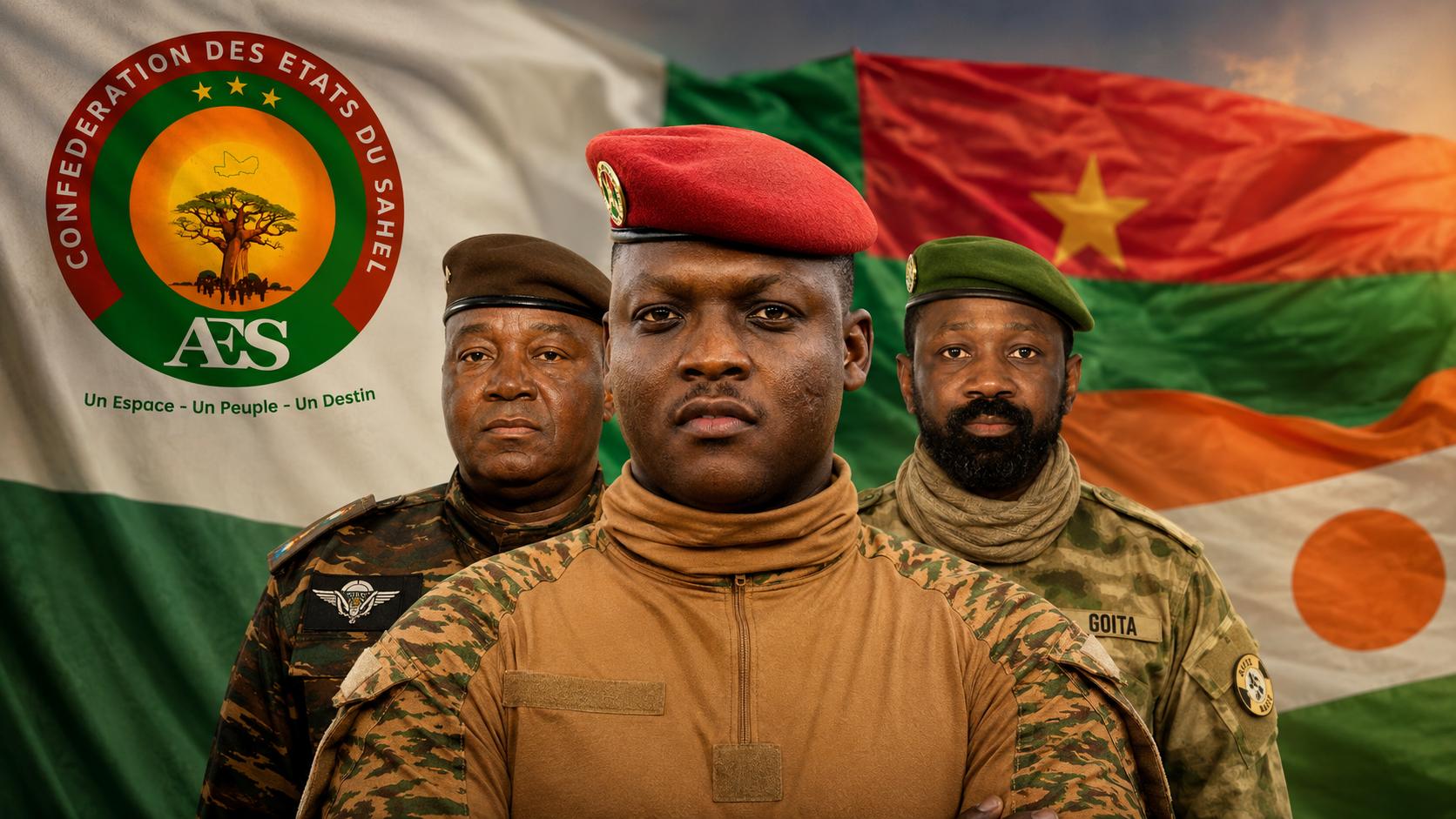
After evicting French and Western troops, the military juntas in Mali, Burkina Faso, and Niger promised a fresh era of sovereignty. Yet the arrival of Russia’s Africa Corps—Wagner’s official successor—has exposed a harsh truth: breaking free from old alliances may have come at a far steeper cost than advertised. What are the hidden financial, human, and security trade-offs of this new partnership with Moscow?
Mali’s bill: billions spent, little to show for it
Mali has paid the highest price for its pivot to Russia. Since 2021, Bamako has transferred over $1 billion to Wagner’s successor, the Africa Corps, with monthly outlays nearing $10 million. Unlike Burkina Faso or Niger, where Russian presence is largely limited to training, Mali’s forces rely heavily on Africa Corps mercenaries for frontline combat. No major mining concessions have been granted to Russia, meaning every dollar spent drains the national treasury directly.
The burden on Mali’s economy
Analysts warn that this financial hemorrhage risks destabilizing an already fragile economy. With public debt climbing and essential services underfunded, the junta’s quest for sovereignty is increasingly looking like a luxury it can no longer afford. Public resentment over military spending has grown, especially as Moscow’s forces struggle to deliver on their security promises.
A security strategy under strain
Despite deploying between 1,000 and 1,500 personnel, the Africa Corps has failed to reverse the tide of insecurity. Reports indicate that after withdrawing from key areas like Kidal in early 2026, rebel groups reclaimed strategic strongholds such as Tessalit, Anéfis, and Aguelhok. In southern regions like Gao and Ber, state control is fraying as rural areas slip from government reach. Think tanks now suggest that a large-scale political negotiation may be the only viable path forward.
The illusion of regained control
While the juntas have diversified their military suppliers—turning to Turkey, Iran, and China—they remain critically dependent on foreign combat forces. This externalization of security operations leaves them vulnerable to shifting geopolitical winds, much like Cold War-era conflicts where reliance on Soviet or Cuban support masked deeper structural weaknesses. Once that support waned, those states collapsed under the weight of their own fragilities.
From protectorate to puppet state?
Some observers now describe the Sahel as entering a phase of de facto protectorate status. While the juntas enjoy political sovereignty—the freedom to reject Western influence—they have traded one dependency for another. According to researchers, their operational autonomy has dwindled as foreign troops take the lead in combat operations. The question looming over the region is no longer just about breaking from the West, but whether these regimes can ever build a truly self-sufficient defense apparatus—or if they are merely swapping one overlord for the next.
Lessons from history, warnings for the future
Historical parallels are unsettling. In the 1970s and 1980s, Angola and Ethiopia survived only through massive Soviet and Cuban military and financial backing. When that support vanished, their governments faced collapse. The Sahel’s military juntas are now walking a similar tightrope—betting everything on Moscow’s Africa Corps while risking the same fate if Russian support ever weakens.
What’s next for Sahel sovereignty?
The future of the region hinges on a critical choice: Will the juntas double down on foreign mercenaries, deepening financial strain and eroding public trust? Or will they begin investing in indigenous defense capabilities—training, equipment, and institutional reform—to break the cycle of dependency once and for all? One thing is clear: sovereignty cannot be purchased with bullets bought on credit.