Three-month crackdown nets over $18 million in prohibited goods
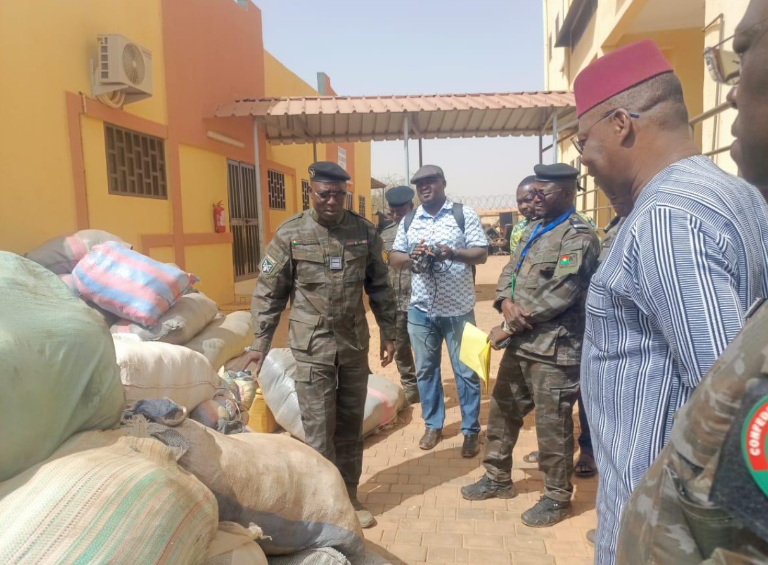
Burkina Faso’s customs authorities have concluded a sweeping anti-smuggling operation that has laid bare the sophistication and scale of illegal trade networks operating across the nation. The three-month initiative, codenamed « Magnan », resulted in the interception of goods valued at over 10.8 billion West African CFA francs — a figure that underscores both the audacity of smugglers and the mounting pressures facing the country’s economy, public health, and national security.
The operation was officially reviewed in Ouagadougou, where customs officials presented a detailed breakdown of seizures made between July 10 and October 15, 2026. Beyond the sheer financial magnitude, the findings reveal a disturbing cross-section of prohibited items, from counterfeit pharmaceuticals to hazardous industrial chemicals, highlighting the breadth of threats hidden within illicit supply chains.
Pharmaceuticals take center stage in illegal trade
Nearly half of the total seizure value — approximately 8.1 billion FCFA — came from a single category: the narcotic analgesic Tapentadol. Authorities confiscated over 4.2 million tablets, a haul that not only represents a significant financial loss for smugglers but also signals a grave public health risk. Counterfeit and substandard medicines remain a persistent menace, often manufactured without regulatory oversight, stored improperly, or mislabeled, putting consumers at risk of ineffective treatment or dangerous side effects.
Complementing the Tapentadol seizure was another troubling discovery: more than 11 metric tons of counterfeit medications, valued at about 1.1 billion FCFA. These unregulated drugs, which may contain incorrect dosages, toxic ingredients, or no active pharmaceutical compounds at all, threaten to undermine trust in legitimate healthcare systems and endanger vulnerable populations.
A dangerous mix: drugs, chemicals, and explosives
The « Magnan » operation extended well beyond the pharmaceutical sector. Customs teams intercepted significant quantities of illicit substances, including cocaine and cannabis, which pose dual challenges: they feed criminal economies and contribute to social instability. Adding to the danger were industrial chemicals such as cyanide and mercury, potentially used in artisanal mining but diverted into unauthorized trade. Their unchecked movement heightens risks of environmental contamination and industrial accidents.
Perhaps most alarming were the seizures of explosives and related components. Such materials, when diverted from legal supply chains, can be repurposed for criminal or terrorist activities, posing serious threats to public safety. Balancing border security with legitimate commerce remains a delicate challenge for customs and security forces alike.
Everyday goods, every day risks
Contrary to the perception that smuggling only involves luxury goods or niche contraband, the operation uncovered a wide array of everyday products, revealing just how deeply illicit trade has permeated daily life. More than 500 metric tons of unapproved fertilizers were seized, threatening agricultural productivity and soil health. Nearly 490 metric tons of rice — a staple food — were also intercepted, raising concerns over food security and market fairness. Thousands of liters of non-compliant cooking oil and uncertified pesticides were removed from circulation, compounding the risks to both farmers and consumers.
Other intercepted items included counterfeit cigarettes, fake school textbooks, and industrial threads — all products that undermine fair competition and consumer trust. The diversity of these seizures reflects a disturbing reality: smugglers are not just dealing in high-value contraband; they are profiting from essential goods, distorting markets, and threatening the livelihoods of honest traders.
How illegal trade undermines fair markets and public trust
The economic toll of smuggling reaches far beyond the immediate loss of customs revenue. When fraudulent goods flood the market, legitimate businesses face an uneven playing field. Companies that pay taxes and comply with regulations cannot compete with smugglers who evade duties and bypass safety standards. This unfair competition erodes profitability, discourages investment, and fuels the informal economy, which ultimately deprives the nation of critical public funds needed for education, healthcare, and infrastructure.
In agriculture, the use of unapproved fertilizers or contaminated soil amendments can lead to reduced crop yields, soil degradation, and long-term damage to farmland. For food products, the absence of proper quality controls increases the risk of contamination, foodborne illness, and long-term health consequences. Consumers, caught between counterfeit goods and unregulated markets, lose confidence not only in individual products but in the entire commercial ecosystem.
Building a sustainable defense against smuggling
The success of Operation « Magnan » demonstrates what targeted enforcement can achieve. But seizures alone are not enough. To dismantle smuggling networks permanently, authorities must trace the origin of illegal goods, follow distribution chains to their roots, and hold individuals and organizations accountable under the law. This requires seamless coordination among customs, security agencies, health regulators, and judicial bodies — each playing a distinct yet interconnected role in the fight against fraud.
Technology and intelligence-sharing also play pivotal roles. Advanced scanning systems, risk-profiling tools, and real-time data analysis can help customs identify suspicious shipments before they enter circulation. Training programs that keep officers updated on evolving smuggling tactics ensure that enforcement remains a step ahead of criminal innovators.
From enforcement to lasting change
With seizures totaling over 10.8 billion FCFA in just three months, Operation « Magnan » sends a clear message to smugglers: their operations are being exposed, and the risks are rising. Yet the true measure of success will not be in the size of the haul, but in the ability to translate these results into lasting change. By strengthening controls, fostering inter-agency collaboration, and investing in prevention, Burkina Faso can build a more secure, equitable, and resilient economy — one where legal commerce thrives, public health is protected, and consumers can trust what they buy.