From rhetoric to reality: Who truly controls Burkina Faso’s gold wealth?
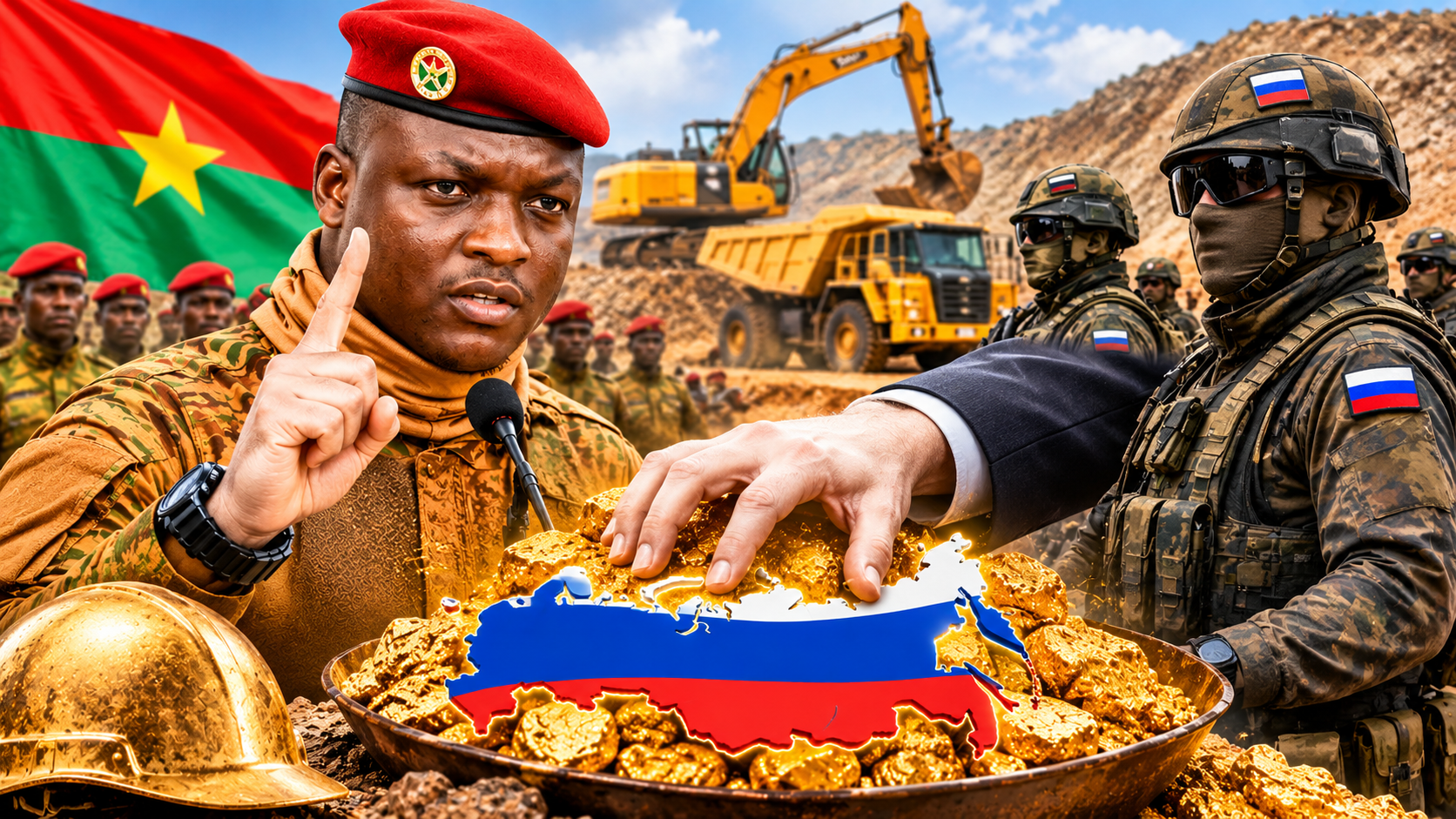
Captain Ibrahim Traoré has made it clear: Burkina Faso’s natural resources belong exclusively to its people. Yet, as Russian security firms increasingly dominate the security landscape around gold mines, the nation’s claim to full economic sovereignty faces intense scrutiny. When foreign entities wield significant influence over strategic mining sites, the promise of self-determination demands closer examination.
The military-led government has positioned the recovery of economic sovereignty particularly through the control of mineral resources as a cornerstone of its political narrative. Gold, in particular, has been central to this messaging, with officials regularly emphasizing the nationalization of mining wealth as a triumph over historical economic dependencies.
However, beneath the bold declarations lies a critical question: Who truly holds the reins over Burkina Faso’s gold reserves?
When foreign security firms shape domestic mining security
The growing presence of Russian security companies within Burkina Faso’s mining ecosystem introduces profound contradictions. While Ouagadougou frames its alliance with Moscow as a move toward greater independence and territorial control, the involvement of foreign actors in the security of gold operations raises serious concerns.
A gold mine is not merely a site of extraction; it is a nexus of economic strategy encompassing site security, mineral transport, financial interests, and operational oversight. When foreign actors assume such critical roles, transparency regarding their contractual obligations, compensations, and the extent of their influence becomes essential.
The paradox is unmistakable: How can Burkina Faso assert full mining sovereignty while entrusting vital security functions to external entities? This does not imply that foreign firms automatically seize ownership of the mines themselves. However, it underscores a critical distinction legal ownership of resources does not equate to operational control, and the latter is fundamental to true sovereignty.
The 100% Burkinabè gold pledge: A promise tested by ground realities
Captain Traoré’s insistence that Burkina Faso’s gold is 100% Burkinabè resonates with nationalistic sentiment. Yet sovereignty extends beyond rhetoric and legislation. It demands the ability to independently dictate resource exploitation, oversee security personnel, audit financial beneficiaries, and ensure that generated revenues serve the public good.
If foreign security firms occupy pivotal roles in protecting gold sites, citizens have every right to demand clarity: What exactly are their mandates? How far does their authority extend? Who ultimately stands to gain from these partnerships?
The challenge is not simply replacing one foreign partner with another; it is ensuring that every alliance regardless of origin serves Burkina Faso’s interests while remaining transparent and accountable to national institutions. The risk is clear: Allowing Russian firms to dominate security arrangements could inadvertently create new dependencies, undermining the very sovereignty the government claims to defend.
True sovereignty demands more than declarations it requires action
The ultimate test for Burkina Faso’s leadership is not the boldness of its statements but the reality of its actions. Citizens deserve answers: Who protects the gold mines? Who profits from security contracts? Who oversees the extraction process? And most importantly, how do these operations translate into tangible benefits for the nation?
Burkina Faso’s gold must not be subjected to the influence of Moscow, private foreign entities, or narrow interest groups. It must serve the development of Burkina Faso and improve the lives of its people. While the government can proclaim economic sovereignty from platforms across the country, true control is validated through effective oversight, fair contracts, and independent decision-making.
For now, the nation watches closely waiting to see whether gold will remain a symbol of pride or merely another chapter in the story of external control.
By Daniel Mbami — Journalist