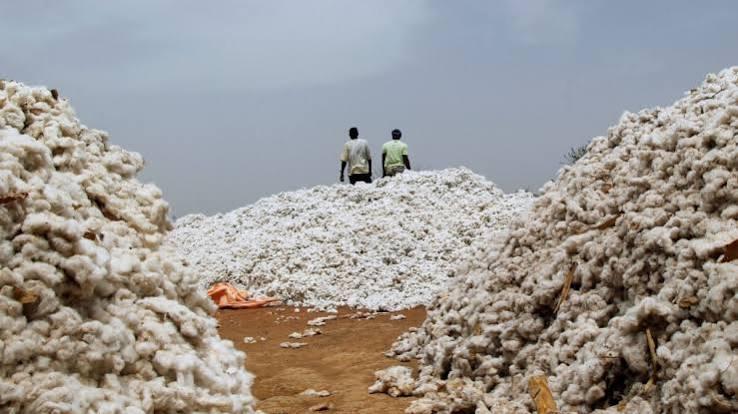
The small rainy season of 2026 marks a defining moment for Benin’s cotton sector. As the country gears up for the 2026-2027 growing season, the government is rolling out an ambitious pilot program aimed at significantly boosting cotton yields through targeted intensification strategies. But with 2033 production targets looming, the true test lies not just in implementation—but in measurable results.
What’s at stake in the Benin cotton intensification pilot
The stakes could not be higher. Benin’s “Bénin Vert 2033” vision hinges on transforming its agricultural output, with cotton production playing a central role. The pilot, set to launch in agricultural development zones within poles 2, 3, and 4, is designed to push cotton yields beyond current averages. Rather than relying on broad, one-size-fits-all advice, the program adopts a hands-on approach—placing agricultural advisors directly in the fields with farmers.
How the pilot combines modern farming with real-time tracking
Central to the initiative is a dual focus: upgrading cultivation techniques and improving input management. Farmers receive personalized guidance on modern farming practices, from seed selection to post-harvest processing. At the same time, digital tools are being deployed to monitor every stage of the process.
Through a dedicated digital platform, agricultural advisors can:
- Geolocate and track individual cotton plots
- Monitor input usage from distribution through harvest
- Record yield data at ginning facilities and link it back to specific farms
This granular tracking allows for precise evaluation of which practices deliver the highest returns—and where bottlenecks persist.
From pilot to national blueprint: can Benin scale up?
The pilot was formally approved by the Council of Ministers in September 2026, setting the stage for a real-world test of the intensification model. While initial focus is on regions showing the highest production potential, success in these zones could unlock nationwide adoption. The government has prioritized rapid deployment, with Cabinet-level directives urging fast-tracked implementation.
But success depends on more than just better seeds and soil management. To ensure the harvested cotton reaches processing facilities efficiently, the program also targets improvements in logistics coordination between farmers, cooperatives, transporters, and ginning plants. A more streamlined supply chain could eliminate unnecessary delays and reduce post-harvest losses.
The bigger picture: climate resilience and farmer livelihoods
Beyond output increases, the initiative aligns with Benin’s broader “Bénin Vert 2033” strategy, which emphasizes sustainable agriculture and climate resilience. By integrating social protection mechanisms, the program aims to safeguard rural households against price volatility and climate shocks. If successful, the model could serve as a blueprint not only for cotton but for other high-value crops nationwide.
What the small rainy season will reveal
The small rainy season of 2026 will be the first true test of whether intensified farming, digital monitoring, and improved logistics can deliver on Benin’s ambitious goals. Stakeholders across the cotton value chain will be watching closely. Can this pilot prove that Benin can not only grow more cotton—but do so sustainably, efficiently, and equitably?
If the answers come back positive, the ripple effects could reshape Benin’s agricultural future—and set a regional standard for cotton intensification.