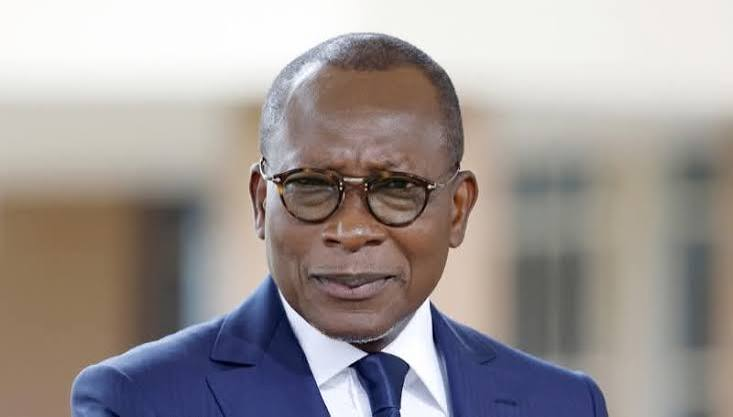
How does Benin’s Senate handle its 2027 budget without its president in parliament?
The absence of Patrice Talon, president of Benin’s Senate, from the parliamentary budget hearings has raised eyebrows. While officials from key institutions prepare to justify their financial forecasts before the National Assembly, the Senate’s leader remains notably absent from the schedule. But this silence isn’t an oversight—it’s built into the constitutional process governing the upper house’s budgetary duties.
What the Senate’s internal rules say about its budget process
The procedure governing the Senate’s financial framework is clearly outlined in its internal regulations, specifically articles 97, 98, and 99. These provisions define how the chamber manages, scrutinizes, and submits its budget for national integration. Article 97 enshrines the Senate’s administrative and financial autonomy, allowing it to oversee its own operations while still adhering to public finance regulations. Article 98 details the drafting phase: after the National Assembly’s budget orientation debate, the Senate prepares its own financial forecast based on presidential guidance and government fiscal guidelines. Once finalized, the budget is approved by senators before moving to the next stage.
Article 99 bridges the internal and national budgeting systems. It stipulates that, once adopted by the Senate, the budget is formally submitted to the finance ministry. From there, it becomes part of the government’s annual finance bill, which is then reviewed and voted on by the National Assembly.
This explains why Patrice Talon, as Senate president, isn’t personally defending the chamber’s budget before parliament. The process is designed to flow from Senate deliberations through government integration, rather than relying on direct testimony in the lower house.
Does Senate autonomy mean budgetary independence?
No—Senate autonomy doesn’t grant the chamber a separate budget disconnected from the state. All Senate expenditures and allocations remain within the national framework. The budget is prepared internally, approved by senators, and then merged into the broader finance bill presented to the National Assembly for final approval. In this way, the chamber’s finances are subject to the same transparency and oversight, just through a different procedural route.
How the Assembly handles its own budget—without the president appearing either
This two-tiered process isn’t unique to the Senate. The National Assembly follows a similar internal procedure for its own budget. After debating fiscal directives, the Assembly drafts and approves its financial forecast before submitting it to the finance ministry. As a result, Joseph Djogbénou, president of the National Assembly, also isn’t scheduled to appear before the Budget Committee to justify his chamber’s allocations. Both houses manage their internal budgets independently before they become part of the unified national budget.
The rules haven’t changed with bicameral reform
The shift to a bicameral parliament in Benin didn’t alter the budget preparation process. The Senate’s internal rules, as defined in articles 97 to 99, continue to govern how its budget is developed, adopted, and transmitted to the executive branch. Executive decrees and constitutional revisions haven’t introduced new reporting requirements for the Senate president in the National Assembly’s budget debates. The legal foundation for this arrangement remains rooted in those three articles, maintaining a consistent procedure since the Senate’s establishment.
Key takeaways: transparency, autonomy, and integration
- Internal first: The Senate crafts, debates, and approves its budget internally before sending it to the government.
- Legal framework: Articles 97–99 of the Senate’s rules ensure a clear path from chamber autonomy to national integration.
- No exemption: Senate credits are still part of the national budget and subject to parliamentary approval, just via a different procedural route.
- Presidential absence explained: The Senate president doesn’t need to appear before the National Assembly because the budget follows a set institutional channel.
The absence of Patrice Talon from November 2026’s budget hearings isn’t a procedural breach or a sign that the Senate’s finances avoid scrutiny. It’s a reflection of how Benin’s bicameral system ensures institutions manage their budgets while contributing transparently to the national finance bill—a process designed to balance autonomy with accountability.