33 Lives lost in 12 square meters of suffocation
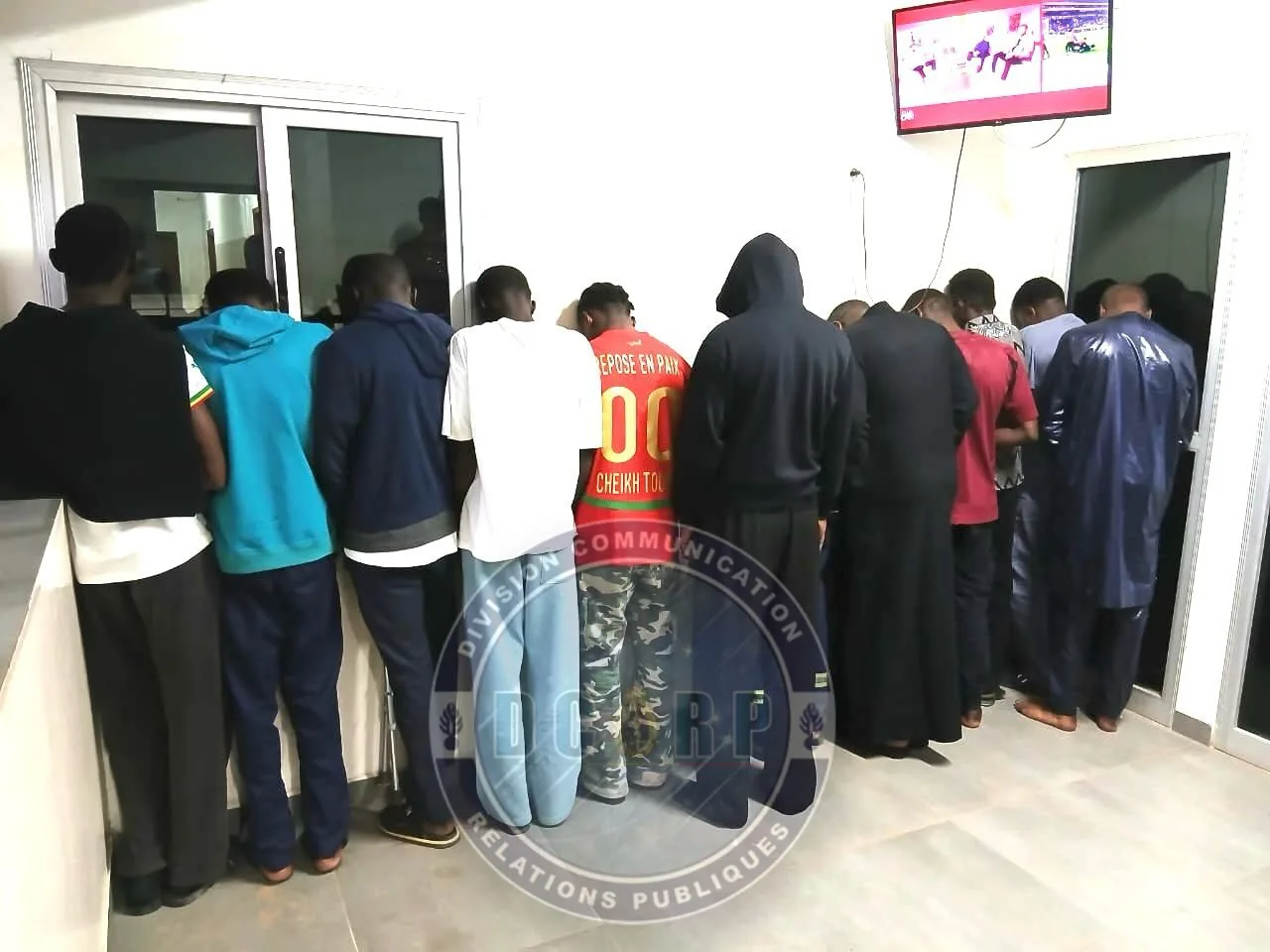
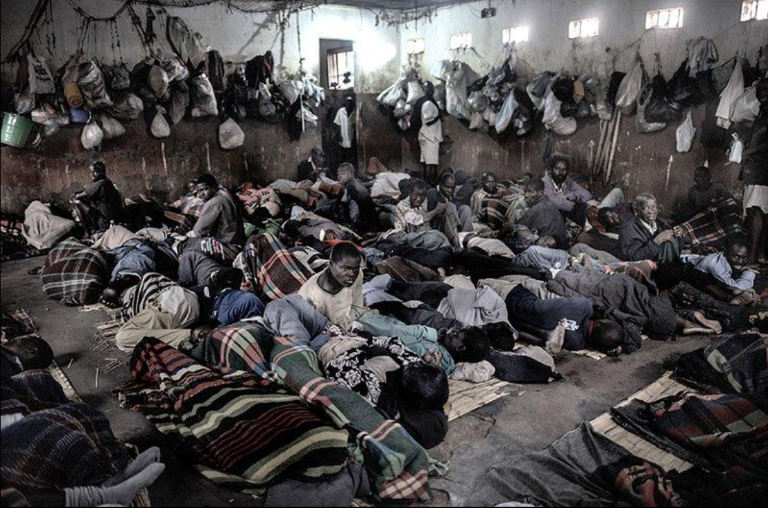
When 50 detainees were crammed into a single 12m² holding cell in Minna, Nigeria, the result wasn’t merely overcrowding—it was suffocation, dehydration, and death. On the night of September 16-17, 2026, 33 people, including 14 children, perished in what witnesses later described as an unimaginable horror. The tragedy unfolded in a facility run by the Nigeria Security and Civil Defence Corps (NSCDC), an agency designed to protect civilians, not become their jailer.
Survivors later testified that detainees resorted to desperate measures to stay alive, including drinking their own urine. The official inquiry confirmed what anyone with common sense could deduce: the deaths were preventable. Yet, the disaster occurred amid a toxic mix of extreme overcrowding, suffocating heat, and systemic neglect.
Would justice survive in a cell built for 12, not 50?
Independent investigations revealed a pattern of institutional failure that transcended Minna. Survivors recalled hearing desperate knocks on the cell door for hours, ignored by guards who only intervened long after it was too late. The final toll stood at 33 dead, four fewer than initial reports, with 41 survivors bearing the scars of trauma.
The inquiry also uncovered illegal detention practices: children locked with adults, detainees held without trial, and procedures ignored. These weren’t merely bureaucratic oversights—they were violations of fundamental rights that turned detention into a death sentence.
When silence costs lives: why African prisons must change
The Niger incident wasn’t an accident. It was the inevitable outcome of a crisis sweeping across Africa. According to the United Nations Office on Drugs and Crime (UNODC), almost 90% of African countries with available data operate prisons beyond official capacity. Globally, over 60% face similar pressures.
Behind these numbers lies a reality where infrastructure is outdated, staff are overwhelmed, and detention becomes a punishment before any verdict is delivered. In 2023, UNODC data showed that 37% of Africa’s prison population awaited trial—many for years—trapped in conditions that defy human dignity.
A system under strain: the human cost of delay
Judicial backlogs, understaffed courts, and limited access to legal aid prolong detention unnecessarily. People presumed innocent spend months, sometimes years, in cells where survival hinges on luck rather than rights. The Nelson Mandela Rules make clear: dignity in detention isn’t optional. Yet across Africa, it’s often denied.
Can Africa afford justice systems that kill? The reform agenda
The Minna tragedy demands more than accountability. It’s a call to action. African governments must stop treating prison expansion as the sole solution and start addressing root causes:
- Accelerate case processing to reduce prolonged pretrial detention
- Expand legal aid and alternatives to incarceration
- Renovate existing facilities to meet minimum standards
- Separate adults from minors in all cases
- Train prison staff in human rights and crisis management
- Implement independent oversight to monitor conditions
The stakes couldn’t be higher. Dignity in detention shouldn’t be a privilege reserved for those who can afford it. Justice without humanity is a contradiction in terms.
A continent at a crossroads: what comes next for African prisons?
Thirty-three lives were lost in 12 square meters of suffocating darkness. Fourteen of them were children. Their deaths force African leaders to confront an uncomfortable truth: when detention becomes a death trap, the justice system itself fails.
The question now isn’t whether reforms are needed—it’s whether Africa will act before the next tragedy strikes. Silence costs lives. Leadership must cost political comfort.