French TV Report on Homosexuality in Senegal Fuels Heated Debate
A recent television segment by a French broadcaster examining the situation of LGBTQ+ individuals in Senegal has triggered a firestorm of controversy. The report, which aired during prime time, claims to expose systemic violence against homosexuals in the country, but critics argue it presents a skewed and inaccurate portrayal of reality. The debate has since spilled onto social media, with Senegalese netizens questioning the motives behind the coverage.
The most contentious element of the report centered on an anonymous interview with a Senegalese man who alleged that some citizens had been taught that “killing a homosexual would guarantee entry into paradise.” This explosive claim was met with widespread skepticism, with many questioning its authenticity and the broader implications of the segment.
Social Media Erupts in Protest
The backlash was immediate and intense. “As a Senegalese, I’ve never heard such a thing,” declared one commentator on social media. Another user dismissed the report outright, labeling it “nothing but lies” and accusing the broadcaster of attempting to smear Senegal’s reputation. The outrage extended beyond personal attacks, with critics arguing that the segment deliberately ignored key legal and social contexts.
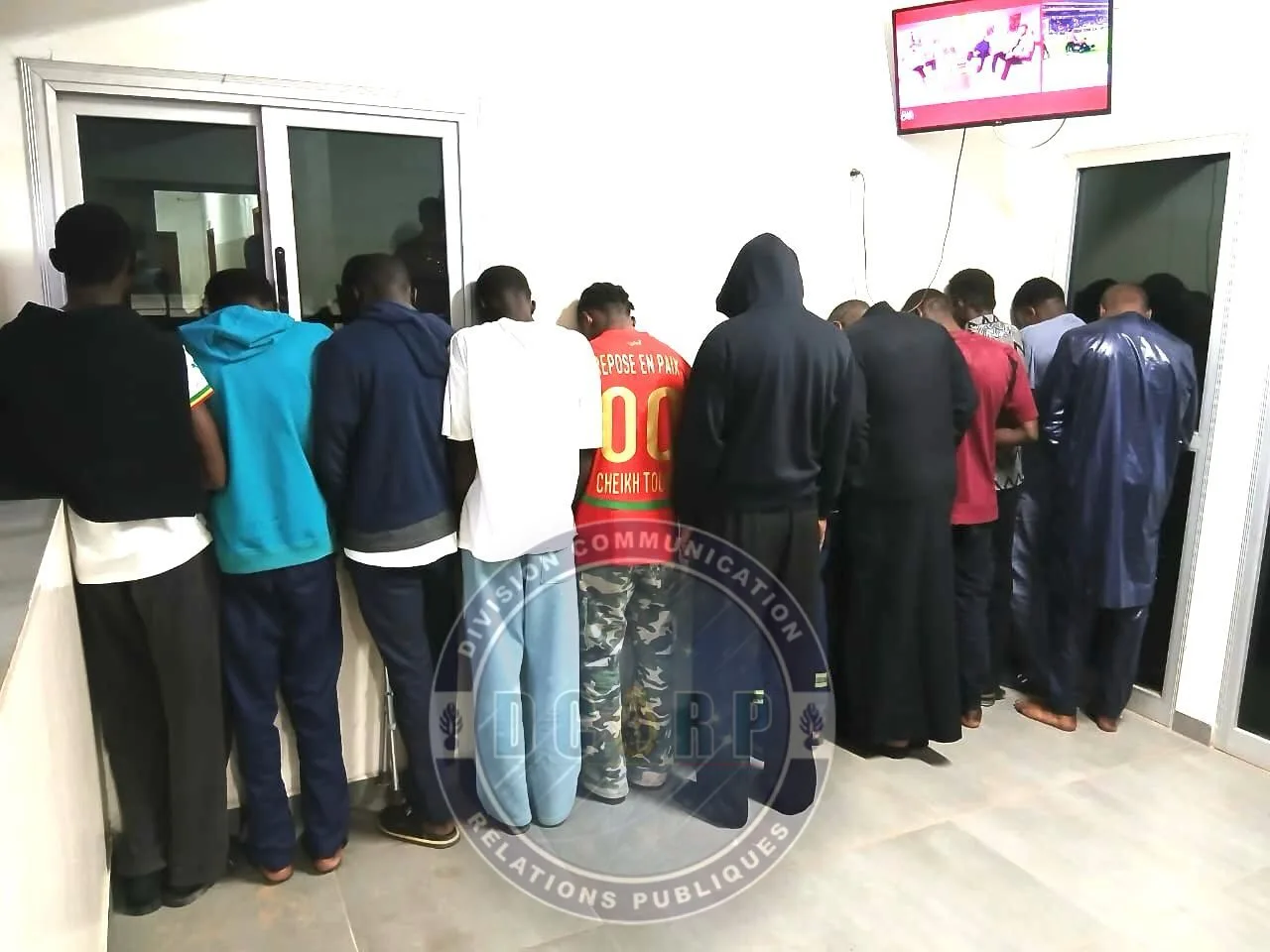
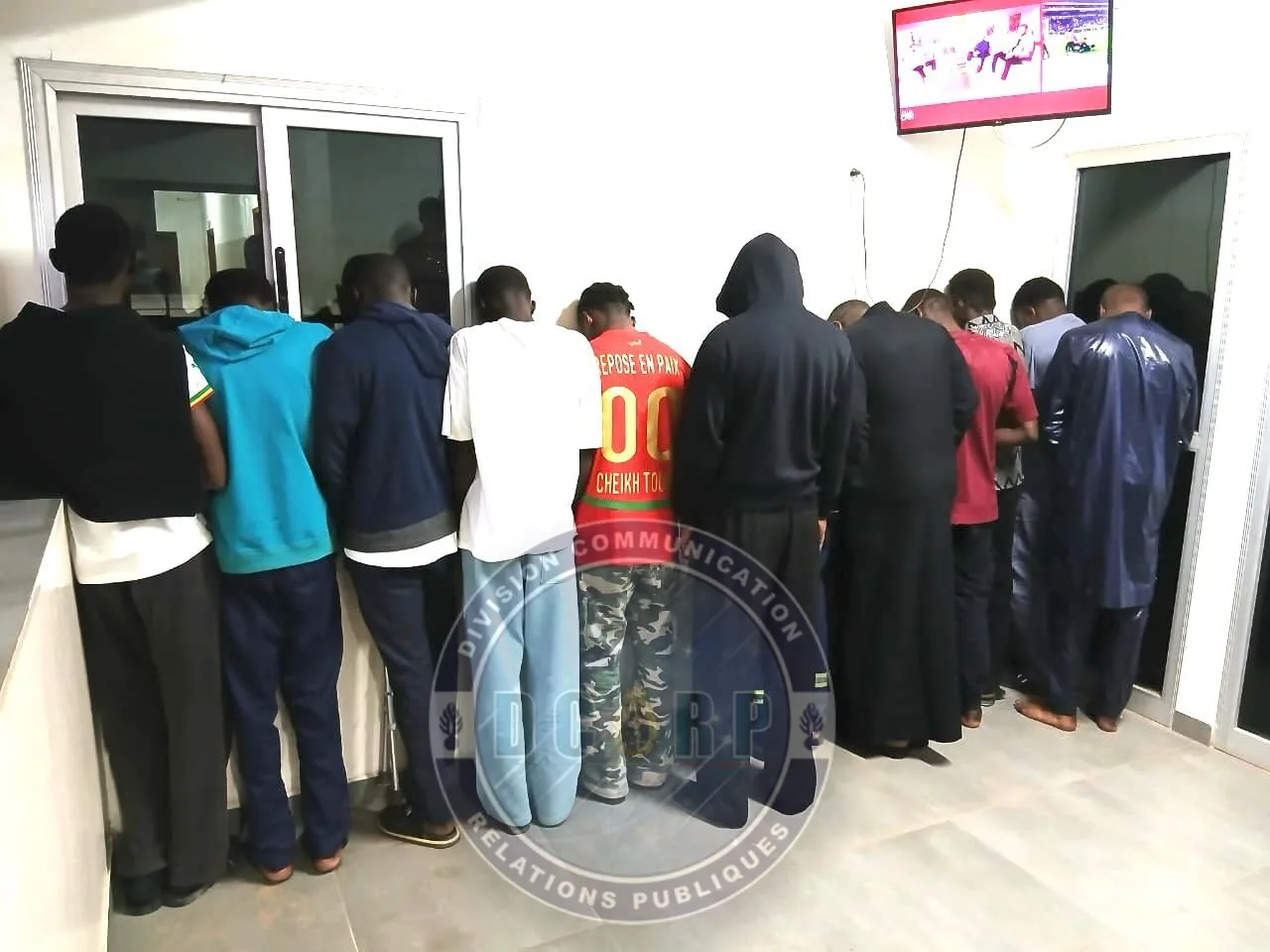
One of the most vocal critiques focused on the omission of a critical legal detail: many recent arrests in Senegal related to this issue have been made under laws targeting the deliberate transmission of HIV/AIDS, not solely based on sexual orientation. This legal nuance, opponents argued, was glaringly absent from the report, which instead painted a picture of indiscriminate persecution.
Even more puzzling to observers was the absence of any discussion with legal experts or officials regarding the specific charges under which individuals were being held. Instead, the segment relied heavily on interviews with medical professionals from the National AIDS Control Center, further reinforcing perceptions of bias.
Many Senegalese see the coverage as part of a deliberately slanted narrative that overshadows the legal complexities of the cases in question. The debate has reignited discussions about media ethics, foreign reporting on sensitive local issues, and the responsibility of international broadcasters when covering cultural and legal matters in foreign countries.
As the controversy continues to unfold, it highlights the delicate balance between reporting on human rights issues and the potential for cultural misrepresentation. The reactions from Senegalese audiences underscore the deep divisions that exist on this topic and the need for nuanced, accurate journalism when addressing such sensitive subjects.