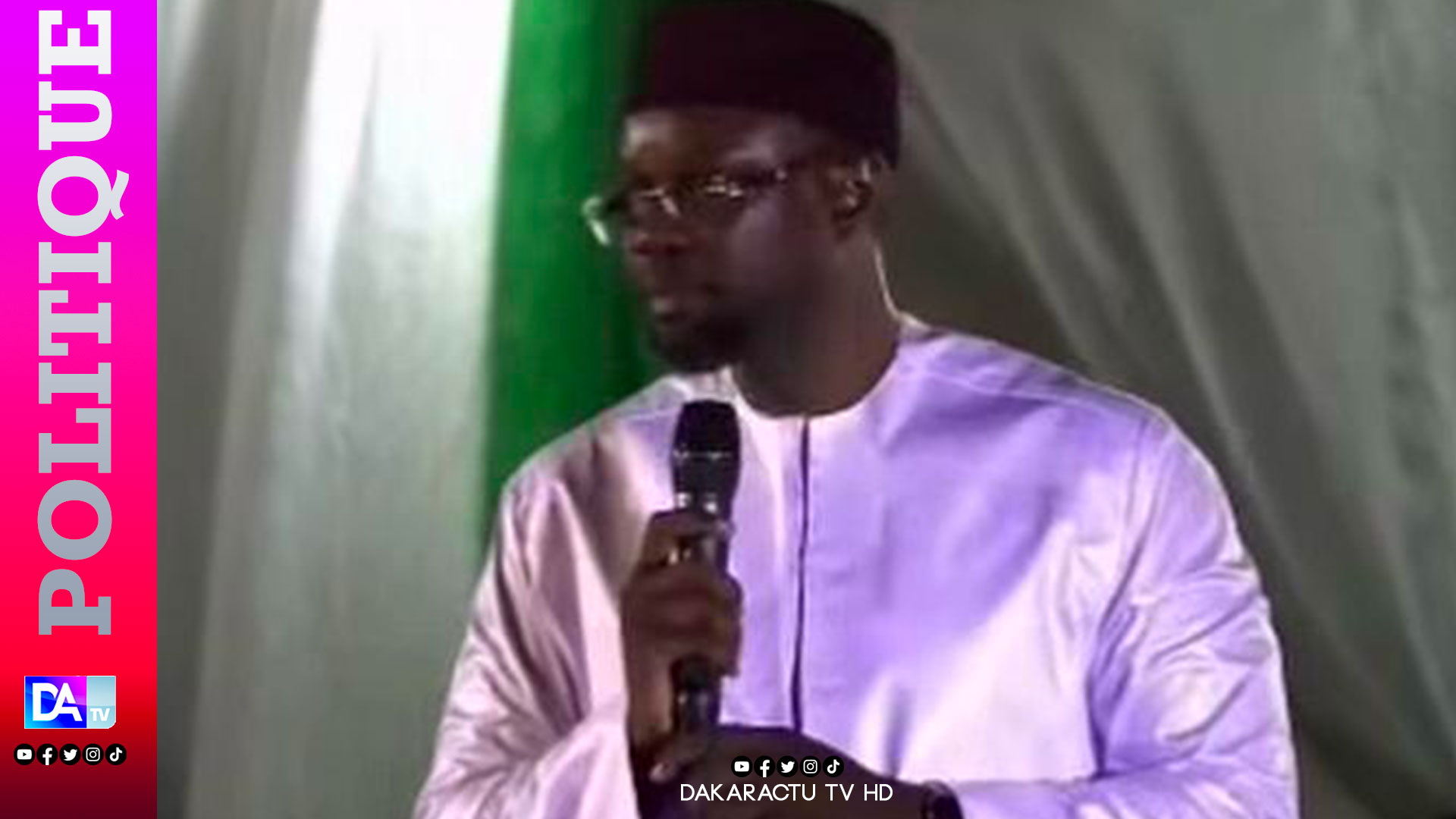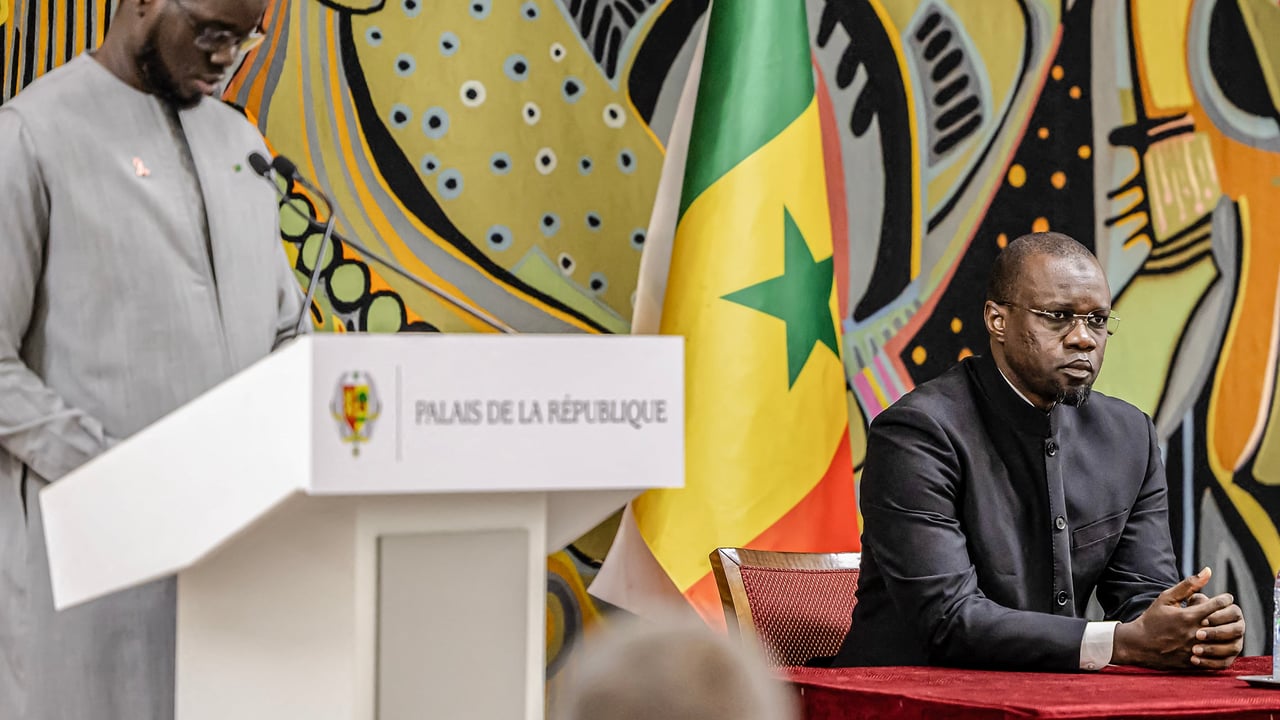

In Senegal, constitutional reform is sparking intense debate. While officials claim the changes aim to modernize governance, critics argue they could pave the way for one political figure to consolidate power. Among the most vocal names in this discussion is Ousmane Sonko, whose potential influence under the new system has become a focal point.
The proposed reforms, unveiled in early April 2025 during a national celebration, seek to redefine the balance of authority between the presidency and other government institutions. President Bassirou Diomaye Faye has framed the initiative as a move toward decentralization, emphasizing his intent to avoid a concentration of power in the executive branch.
««I want strong directors-general, strong ministers, and a highly empowered Prime Minister,» he declared during a press briefing. «I don’t want to be the kind of president who holds all the power.» His statements reflect a strategic attempt to distance himself from perceptions of authoritarianism while laying the groundwork for institutional adjustments that could reshape political dynamics.
Key provisions that could reshape Senegal’s political landscape
The draft constitution introduces several pivotal changes that, if adopted, would significantly alter the country’s governance structure. These include:
- Reduced presidential powers: The reforms propose limiting the president’s ability to dissolve the National Assembly or unilaterally appoint key officials, shifting some executive authority to other branches.
- Enhanced role for the Prime Minister: The head of government would gain more autonomy, particularly in economic and administrative matters, reducing reliance on the presidency for day-to-day operations.
- Stronger checks and balances: New oversight mechanisms aim to prevent abuse of power, including stricter parliamentary scrutiny of executive actions.
- Decentralization measures: Local governments would receive greater financial and administrative independence, fostering regional development.
While these measures appear to promote transparency and shared governance, they also raise concerns about unintended consequences. Opponents warn that a weakened presidency could lead to institutional paralysis, particularly in times of crisis, where decisive leadership is critical.
How Ousmane Sonko stands to gain
Ousmane Sonko, leader of the PASTEF movement, has emerged as a central figure in the debate over these reforms. His party, which has gained significant traction in recent years, could emerge as a major beneficiary if the proposed changes take effect. Here’s why:
- Amplified political influence: With a stronger Prime Minister and decentralized governance, Sonko’s party could secure more local and national positions, expanding its reach across Senegal.
- Reduced presidential dominance: The reforms limit the president’s ability to control appointments, making it harder for the executive to sideline opposition figures like Sonko.
- Strategic alliances: A fragmented executive branch may force political actors to collaborate more closely, creating opportunities for Sonko to build coalitions that advance his agenda.
- Public perception of reform: Sonko has long positioned himself as a champion of democratic renewal. If the reforms succeed in reducing executive overreach, his narrative could gain credibility, bolstering his political capital.
Critics, however, argue that these changes could inadvertently empower Sonko by weakening the presidency’s ability to counterbalance his growing influence. They point to the 2024 elections, where his party secured a substantial share of seats, as evidence of his rising clout.
Challenges and uncertainties ahead
The road to constitutional reform is fraught with obstacles. Legal hurdles, political resistance, and public skepticism could derail the process. Key questions remain unanswered:
- Will the reforms pass? The National Assembly must approve the draft, and any significant amendments could dilute its original intent.
- How will Sonko respond? As a vocal advocate for systemic change, his party’s reaction will shape the debate. Will he support the reforms as a step toward democratization, or will he criticize them as insufficient?
- What’s the public’s stance? Senegalese citizens are divided. While some welcome the move toward decentralization, others fear it could lead to political fragmentation.
- What about regional stability? A weakened central government might struggle to address pressing issues like economic inequality or security threats, potentially destabilizing the region.
As Senegal navigates this pivotal moment, the interplay between institutional reform and political ambition will define its future. For Ousmane Sonko, the stakes couldn’t be higher—his political future may hinge on the outcome of this constitutional overhaul.