
Senegal’s constitutional reform has sparked intense debate, with many questioning how it will reshape the country’s political landscape. At the heart of the discussion: who truly stands to gain from these sweeping changes?
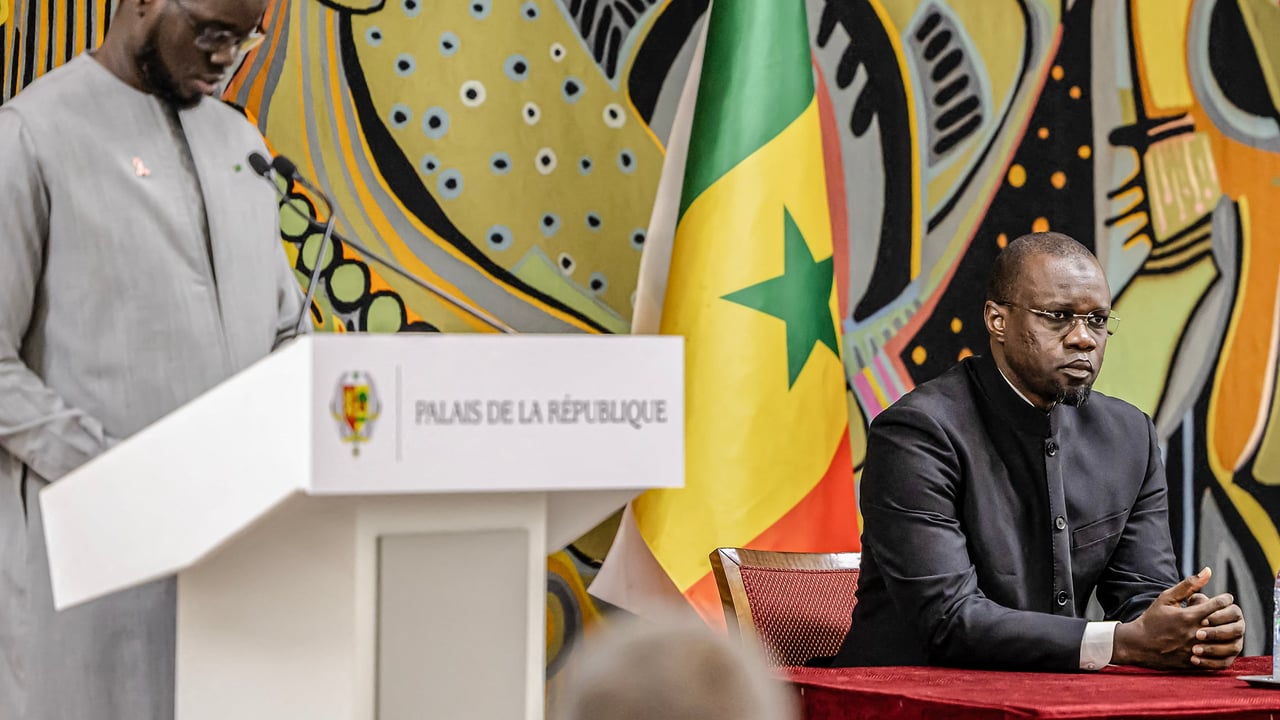
President Bassirou Diomaye Faye’s vision for reform is clear. In an April 2025 press conference marking National Day, he emphasized his intent to redistribute powers traditionally held by the head of state. His goal? To create a system where authority is shared among strengthened institutions rather than concentrated in a single office.
« I want strong CEOs, strong ministers, and a prime minister with significant authority, » he declared. « I refuse to be the kind of president who wields all the power alone. » His words signaled a deliberate shift toward decentralized governance, a move analysts argue could reshape the balance of influence within Senegal’s political sphere.
Why Ousmane Sonko could emerge as the key beneficiary
The proposed reforms are poised to redefine the roles of Senegal’s top leadership. By limiting the president’s executive powers and empowering other government bodies, the changes may create new pathways for political maneuvering.
For opposition leader Ousmane Sonko, these adjustments could present a historic opportunity. Long a vocal critic of centralized power, Sonko has consistently advocated for institutional reforms that curb executive overreach. If the amendments pass, his supporters argue, they could level the playing field—giving opposition figures greater influence in shaping national policy.
Critics, however, warn of unintended consequences. Some legal experts caution that decentralizing authority without clear guardrails could lead to institutional gridlock. « Power vacuums often favor those best positioned to exploit them, » noted a Dakar-based constitutional scholar. « The reforms may empower certain actors more than others. »
What the changes mean for Senegal’s political future
The constitutional overhaul reflects a broader trend in African governance, where leaders are increasingly pressed to adapt to demands for transparency and accountability. For Senegal, a nation with a history of peaceful transitions, these reforms could either strengthen democratic resilience or introduce new vulnerabilities.
The president’s emphasis on collaborative leadership suggests a break from past practices. Yet the question remains: will this approach unite a divided nation or deepen existing fractures?
One thing is certain: the outcome of this reform will shape Senegal’s political trajectory for years to come. As debates intensify, all eyes are on how these changes will influence the balance of power—and who ultimately stands to benefit the most.