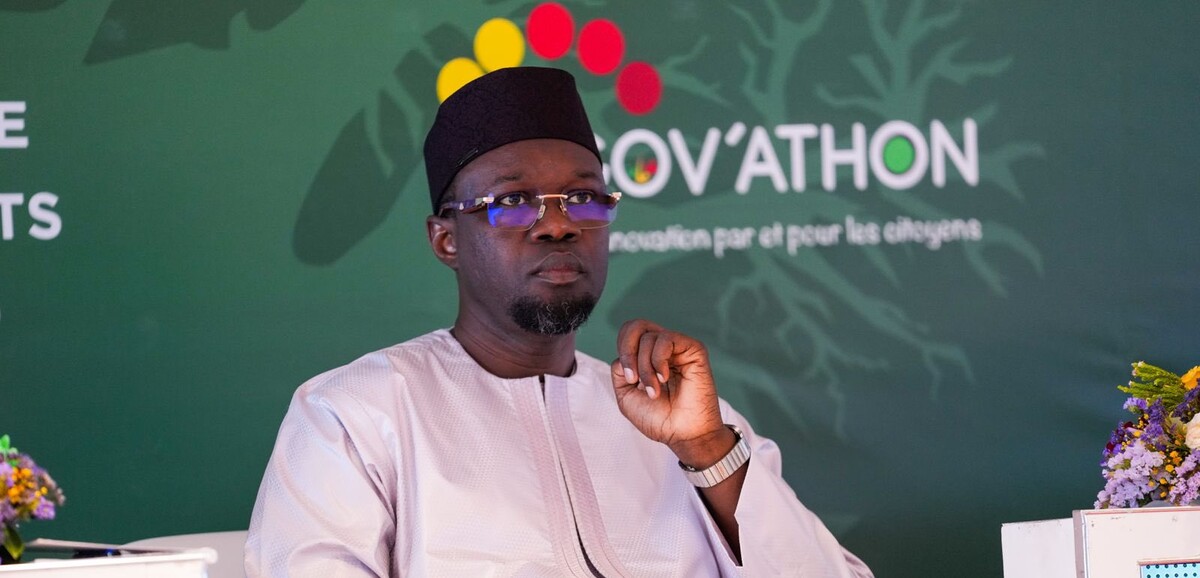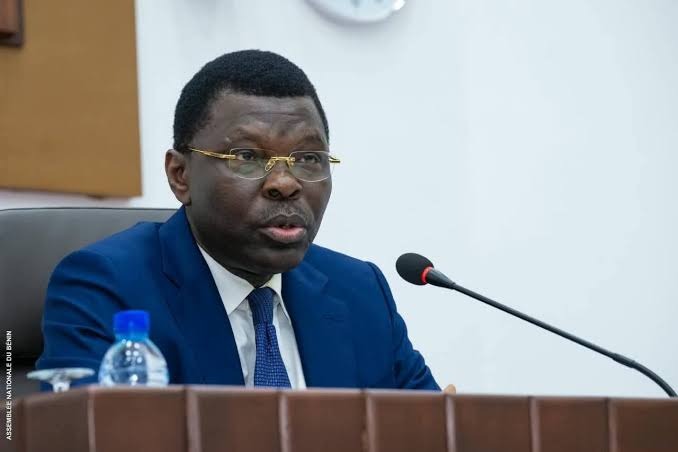
While the African Union’s summit in Lomé unfolded, Joseph Fifamè Djogbénou, President of Benin’s National Assembly, delivered a message that resonated far beyond formal diplomatic channels. In an era marked by strained relations and suspended trade links—particularly Benin’s closed border with Niger since 2023—his vision cut through the political fog: reconciliation, not rivalry, must steer the Sahel’s future course.
Why now could be the turning point for Sahel solidarity
The timing of Djogbénou’s initiative is no accident. With regional trade at a standstill and tensions simmering across borders, he positioned reconciliation not as goodwill, but as a strategic imperative. During a pivotal continental gathering, he framed unity as the only path forward, stating, “Until the shadows of conflict fade, the light of cooperation remains distant—yet inevitable.” For Djogbénou, this wasn’t just rhetoric; it was a call to action amid a rare diplomatic opening outside rigid state protocols.
Shared struggles unite: the Sahel’s unbreakable bonds
At the heart of Djogbénou’s push lies a fundamental truth: no nation stands alone in an interconnected Sahel. His repeated overtures—from Cotonou to Niamey and Ouagadougou—highlight what global narratives often miss: Africa’s challenges transcend borders. The closure of Benin’s gates to Niger didn’t just disrupt supply chains; it inflated prices, stranded families, and severed lifelines. Yet within this crisis lies a chance to rebuild not only infrastructure, but trust between communities that have borne the brunt of isolation.
Behind closed borders: lives interrupted by political divides
The human impact is undeniable. Farmers unable to sell crops, students blocked from universities across lines, and families torn apart by inaccessible crossings reveal the real cost of division. Djogbénou’s speech echoed this reality, challenging the hypocrisy of global exclusion: “When boats turn away African migrants at Europe’s gates, they don’t distinguish between Beninese or Burkinabé—they reject the shared identity of Africans.” His point was clear: solidarity isn’t just a slogan; it’s a necessity rooted in shared suffering and hope.
The power of parliamentary diplomacy in fractured regions
Where traditional diplomacy moves slowly, parliamentary networks move with agility—and moral weight. By leveraging the African Parliamentary Union (APU), Djogbénou is championing a people-first approach to regional healing. His proposal? Concrete mechanisms like joint legislative committees, humanitarian corridors, and coordinated crisis protocols. The message is bold: even in the pragmatic world of geopolitics, humanity must lead the way.
From words to action: what Benin, Niger, and Burkina Faso can do next
Turning intent into impact requires more than symbolic gestures. After years of stalled dialogue, these nations must shift from words to deeds. Key steps include:
- Restoring trade flows under controlled conditions to stabilize local economies and reduce inflation pressures
- Forming cross-border task forces to address disputes in real time, ensuring tensions don’t escalate
- Expanding grassroots exchanges—through schools, cultural events, and media—to rebuild trust from the ground up
- Aligning regional policies on security, migration, and humanitarian aid to create a unified front
These aren’t political maneuvers; they’re lifelines for millions caught in the Sahel’s instability.
Can parliamentary leadership end the Sahel’s cycle of division?
The answer hinges on three pillars:
- The political will to prioritize regional stability over short-term national gains
- The ability of parliamentary diplomacy to influence real-time policy changes
- The resilience of communities to embrace a shared future despite past grievances
The Sahel’s destiny won’t be decided in distant capitals alone. It will be shaped in the bustling markets of Gao, the classrooms of Niamey, and the homes of families divided by closed roads. There, in the heart of everyday life, the choice between division and dialogue will determine whether the region’s next chapter is one of cooperation—or further fragmentation.