From decades of dormancy to Europe’s first shipment
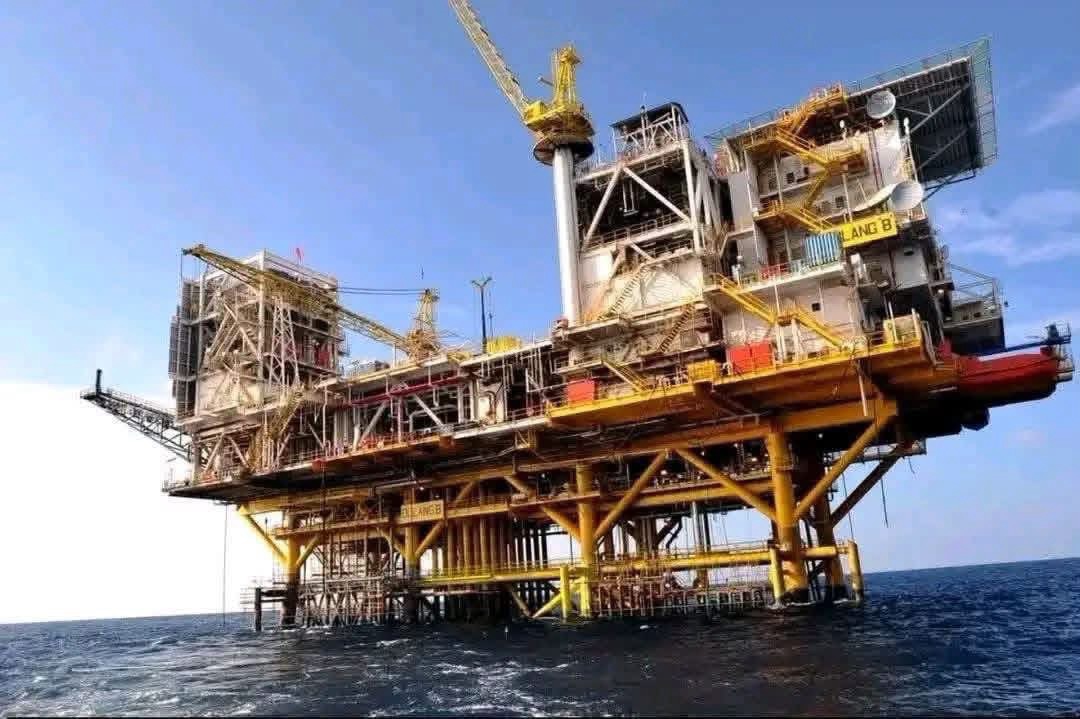
The revival of Benin’s offshore Sèmè oil field after nearly 30 years of inactivity has reached a pivotal moment. A vessel carrying approximately 330,000 barrels of crude is en route to Rotterdam, marking the country’s re-entry into the global oil market following decades of reliance on imported energy. The cargo, transported by the tanker Kriti Jade, is expected to arrive in the Dutch port by November 18, 2026, symbolizing a new chapter in Benin’s economic strategy.
The genesis of a delayed opportunity
The Sèmè field, located off Benin’s coastline, first saw production between 1982 and 1998 before falling dormant due to declining output, technical hurdles, and economic constraints. For generations, this untapped resource lay largely ignored, depriving the nation of a potential engine for diversification. But after years of strategic investments, technical overhauls, and collaborative partnerships, the field has been reactivated under the leadership of Akrake Petroleum Bénin, culminating in its first commercial shipment.
The mechanics behind the revival
The reactivation process involved extensive geological surveys, modern drilling techniques, and the mobilization of specialized expertise. Unlike the initial phase of extraction, which ended abruptly in the late 1990s, this new chapter emphasizes long-term viability balancing production sustainability with environmental safeguards and economic feasibility. The transition from rehabilitation to commercialization reflects a deliberate shift toward positioning Benin as a reliable player in the international energy sector.
Beyond barrels: economic ripple effects
While the shipment itself is a milestone, the broader implications for Benin’s economy are what truly matter. Historically dependent on trade, agriculture, and port activities, the nation now stands to benefit from a new revenue stream. Export earnings could ease fiscal pressures, bolster foreign reserves, and reduce reliance on external borrowing. However, the financial impact will hinge on multiple variables: global crude prices, production volumes, operational costs, and the terms of the state’s agreements with the operator. Transparency in revenue sharing and contract disclosure will be critical to ensuring that the benefits are tangibly felt nationwide.
A catalyst for interconnected industries
The ripple effects of Sèmè’s revival extend far beyond the oil sector. Offshore operations present lucrative opportunities for maritime logistics, maintenance services, engineering, and local procurement. By prioritizing local content, Benin could cultivate a robust ecosystem of energy-related industries, fostering job creation and skill development. Training programs and technology transfers may lay the groundwork for domestic expertise, transforming this newfound oil wealth into sustainable human capital growth.
The project also serves as a litmus test for investor confidence. Successfully reactivating a dormant oil field, securing international partnerships, and delivering crude to global markets can enhance Benin’s reputation as a credible destination for energy investments. Yet, this advantage will endure only if the regulatory environment remains stable and governance maintains high standards.
Crude exports versus local fuel needs
It’s essential to clarify a common misconception: exporting crude oil does not equate to self-sufficiency in refined fuels. The Sèmè output is raw material destined for international markets, not gasoline or diesel for domestic consumption. Without a fully operational refinery, Benin will continue to import processed petroleum products to meet internal demand. This dual reality exporting crude while importing refined goods does not contradict itself but underscores the need for a measured, long-term approach to refining infrastructure.
In the coming years, policymakers may explore the feasibility of building local refining capacity. Such a move would require detailed feasibility studies to assess crude oil quality, national consumption patterns, infrastructure costs, and potential profitability. The goal would be to determine whether local transformation could retain greater value within Benin’s economy and reduce dependence on imports.
Sustainability at the core: challenges ahead
Despite the milestone shipment, significant challenges lie ahead. Offshore operations demand continuous investment, stringent environmental monitoring, and rigorous safety protocols to prevent ecological damage. Equally critical is the field’s ability to sustain viable production levels over time. Factors such as extraction volumes, operational costs, reserve sustainability, and shipment frequency will determine the project’s long-term durability.
The management of oil revenues presents another critical test. Without prudent fiscal policies, the profits from Sèmè could become just another boom-and-bust cycle, offering short-term gains without lasting development. A portion of these earnings must be reinvested into infrastructure, education, healthcare, and renewable energy to ensure broad-based prosperity. Public disclosure of production data and revenue flows will be vital to maintain accountability and public trust in this new economic venture.
The verdict: a turning point or just another step?
The first shipment from Sèmè is undeniably symbolic it signals Benin’s return to the global energy stage after decades of dormancy. But the true measure of success will not be the number of barrels exported today, but the nation’s ability to leverage this resource into lasting economic transformation. The challenge now is to convert potential into prosperity: to build a regulatory framework that fosters equity, to nurture domestic industries that support the oil sector, and to ensure that this new chapter in energy history translates into tangible benefits for all citizens.
By Élise Ntamag — Journalist