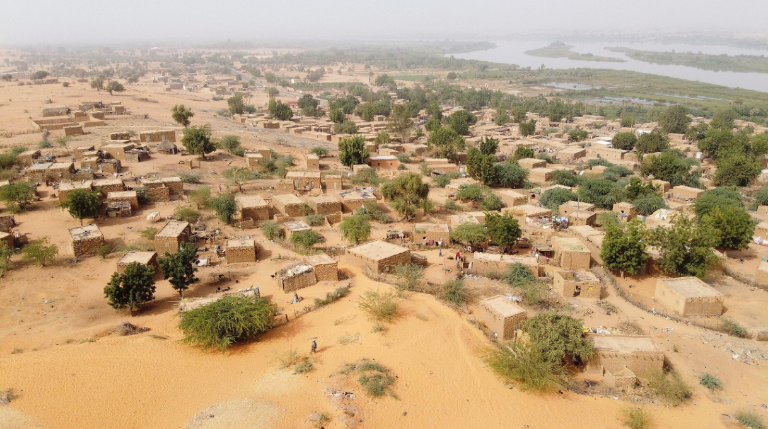
A single journey to the market in Tillim, Niger, became a deadly ambush on Thursday when at least 37 civilians were killed near Téra in an attack linked to the Islamic State in the Greater Sahel (ISGS). The victims, all from the village of Tillim in the Tillabéri region, were traveling under the protection of Domol Leydi self-defense militias when their convoy was targeted.
Why a protected convoy still ended in tragedy
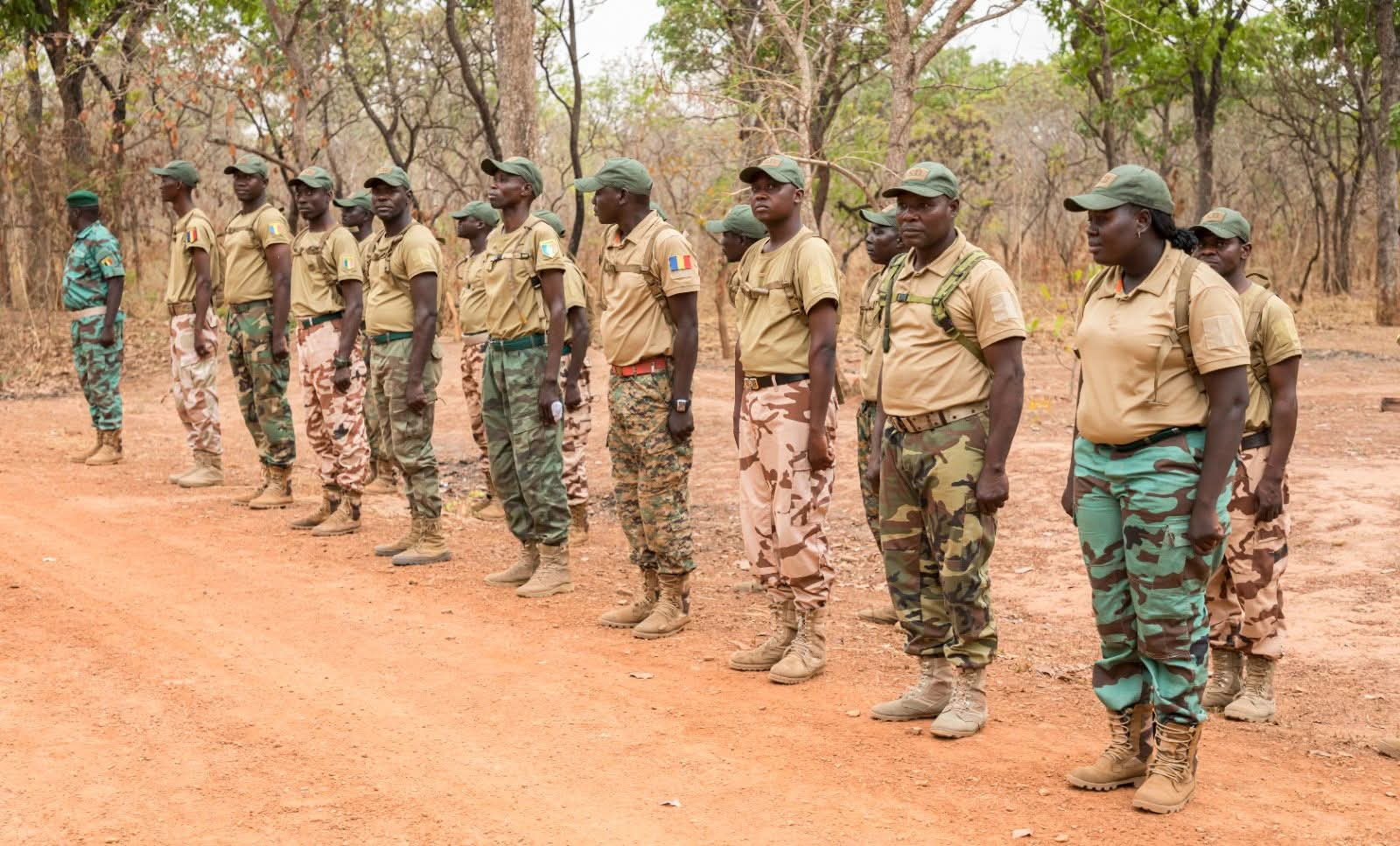
The Domol Leydi, local militias formed to defend rural communities against armed incursions, were escorting the civilian convoy at the time of the attack. Despite their presence, heavily armed ISGS fighters launched the ambush, demonstrating that even community-led protection measures cannot fully shield civilians from well-coordinated assaults in this volatile region.
This incident follows ten days of escalating violence in western Niger attributed to the same group. Each attack has disrupted daily life, endangered livestock herders, and forced farmers to abandon fields in high-risk zones. For residents of Tillabéri, once routine trips now carry the constant threat of ambush or reprisal.
The domino effect of insecurity on local economies
The attack is not isolated; it reflects a broader crisis affecting Niger’s western borderlands. Markets are losing foot traffic, livestock trade routes are becoming unsafe, and agricultural output is declining due to restricted movement. Families are being pushed into precarious conditions as traditional economic lifelines fray under prolonged insecurity.
In communities across Tillabéri, markets are more than trading posts—they are social anchors. But today, traveling to them can mean risking a life, as the victims of Tillim discovered. The loss of 37 people in a single day has left families mourning and neighbors fearing the next strike.
A regional hotspot: Tillabéri’s unrelenting security challenge
Sandwiched between Mali and Burkina Faso, Tillabéri lies at the heart of the volatile “three-border” zone. The Islamic State in the Greater Sahel (ISGS) and the Group for the Support of Islam and Muslims (JNIM) operate across this rugged terrain, their attacks intensifying since mid-2023. The lack of consistent security presence has left rural communities increasingly vulnerable.
Many villagers now limit daily activities, avoid certain roads, and even postpone market visits to reduce risk. Children miss school during peak violence periods, and women, often responsible for fetching water and firewood, face daily hazards. The humanitarian toll extends beyond casualties—it erodes trust in community safety and strains social support systems.
What’s next for civilian protection in western Niger?
The attack near Téra signals the urgent need for stronger, sustainable protection measures. While local militias like the Domol Leydi play a crucial role, they cannot replace dedicated security operations. Experts argue that a multi-layered approach—combining intelligence-driven patrols, community engagement, and infrastructure improvements—is essential to restore safety on rural roads.
The government must also address the root causes of vulnerability: poverty, limited access to education, and weak state presence in remote areas. Only then can the cycle of attacks and civilian suffering begin to break.
The people of Tillim did not set out to risk their lives on Thursday. They were simply looking to trade, visit family, or restock supplies. Now, their loss serves as a stark reminder: when jihadist violence intensifies, it is the civilians—always—the first to pay the price.
Living under the shadow of terror
In the weeks following the attack, Tillim’s survivors are rethinking every aspect of daily life. Some families have abandoned local markets altogether, opting for limited supplies they can barter or grow at home. Others are considering relocating, despite the emotional and economic cost. The attack has not only taken lives—it has reshaped how an entire community moves, works, and survives.
The question now looms over Tillabéri: how many more trips to the market will end in tragedy before lasting security takes hold?