Regional shockwaves follow Burkina Faso’s legal move against Ivorian pastor
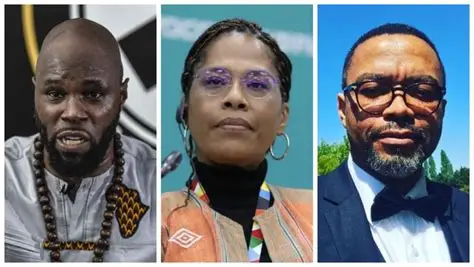
The Burkina Faso judiciary has sent shockwaves across West Africa after unveiling plans to pursue an international arrest warrant against prominent Ivorian pastor and social media influencer Camille Makosso. The announcement, delivered by Prosecutor General Pinguedewindé Désiré Sawadogo in Ouagadougou on November 13, 2026, centers on alleged terrorism-related activities—an explosive claim that could redraw regional security and diplomatic alignments.
As Burkina Faso escalates its anti-terrorism offensive, this legal maneuver introduces a high-stakes question: Could the warrant trigger unintended consequences far beyond Ouagadougou’s courtrooms?
What triggered the international pursuit?
Public disclosures indicate that Burkina Faso’s judicial authorities are investigating alleged terror links tied to Camille Makosso, whose sermons and social media presence have made him a prominent voice in Francophone West Africa. The announcement was embedded in a broader communication covering multiple terrorism-related cases, signaling that this is not an isolated incident but part of a coordinated legal response to mounting regional threats.
Yet, critical details remain undisclosed. At this stage, no public evidence has been presented regarding the specific allegations, the timeline of events, or the legal framework underpinning the warrant. Such opacity fuels speculation and underscores the need for caution before drawing definitive conclusions about Makosso’s potential involvement.
How does an international arrest warrant work?
An international arrest warrant is a formal judicial request issued when authorities suspect a suspect may flee across borders. It activates cooperation mechanisms through Interpol or bilateral agreements, enabling foreign law enforcement to detain the individual pending extradition proceedings. In Makosso’s case, the warrant would require neighboring countries—especially Côte d’Ivoire, where he is based—to evaluate the request under their national laws and existing treaties.
Importantly, such warrants do not guarantee immediate detention or extradition. Authorities in foreign jurisdictions must assess whether the charges meet their legal standards, whether the evidence satisfies local requirements, and whether diplomatic or humanitarian considerations apply. The process is deliberate, designed to balance justice with due process.
What cooperation mechanisms are involved?
- Burkina Faso’s judicial team is reportedly coordinating with authorities in Côte d’Ivoire, the United States, and France to track leads and secure evidence.
- Interpol channels may be used to circulate the warrant and alert international borders.
- Extradition depends on bilateral agreements and the gravity of the offense under local law.
Where does this fit in Burkina Faso’s anti-terrorism strategy?
This legal initiative arrives amid a surge in Burkina Faso’s counter-terrorism efforts, which combine military operations, intelligence, and judicial enforcement. Authorities have emphasized the systemic nature of these prosecutions, revealing that dozens of individuals and entities are under investigation for alleged terror-related activities. The pursuit of Makosso, therefore, is not an isolated act but part of a broader crackdown on networks alleged to fuel violence in the Sahel.
Critics question whether such high-profile cases risk politicizing justice or diverting attention from structural reforms. Supporters argue that robust legal action is essential to dismantling terror ecosystems that thrive on financial, ideological, and logistical networks across porous borders.
What’s next for Camille Makosso?
The pastor, known for his outspoken advocacy and digital reach, now faces a legal imbroglio with potential implications for public discourse and regional stability. While the warrant announcement has triggered significant media attention, it does not equate to guilt. The presumption of innocence remains intact until a competent court examines the evidence.
Key developments to watch include:
- Whether Makosso is formally notified of the charges and given an opportunity to respond.
- The issuance and circulation of the actual warrant through Interpol or bilateral channels.
- Reactions from Ivorian authorities regarding potential extradition requests.
- Any public statement from Makosso or his legal representatives addressing the allegations.
Until then, the case remains a legal hypothesis with far-reaching diplomatic and security consequences. One thing is certain: the issuance of an international warrant is a pivotal moment that could either reinforce regional cooperation or strain cross-border relations in a zone already grappling with instability.
Navigating justice, security, and sovereignty
This unfolding legal drama highlights the complex interplay between national sovereignty and international justice. Burkina Faso asserts its right to prosecute alleged threats, while defense of due process and respect for human rights remain paramount. The next chapters will reveal whether this case serves as a model for transnational cooperation—or becomes a cautionary tale of legal overreach in the fight against terrorism.
One thing is clear: the fate of Camille Makosso is no longer just a matter for Ivorian or Burkinabè courts. It is now a regional issue, watched closely by governments, civil society, and observers across West Africa and beyond.