Senegal’s electoral reform fuels Ousmane Sonko’s potential 2029 presidential run
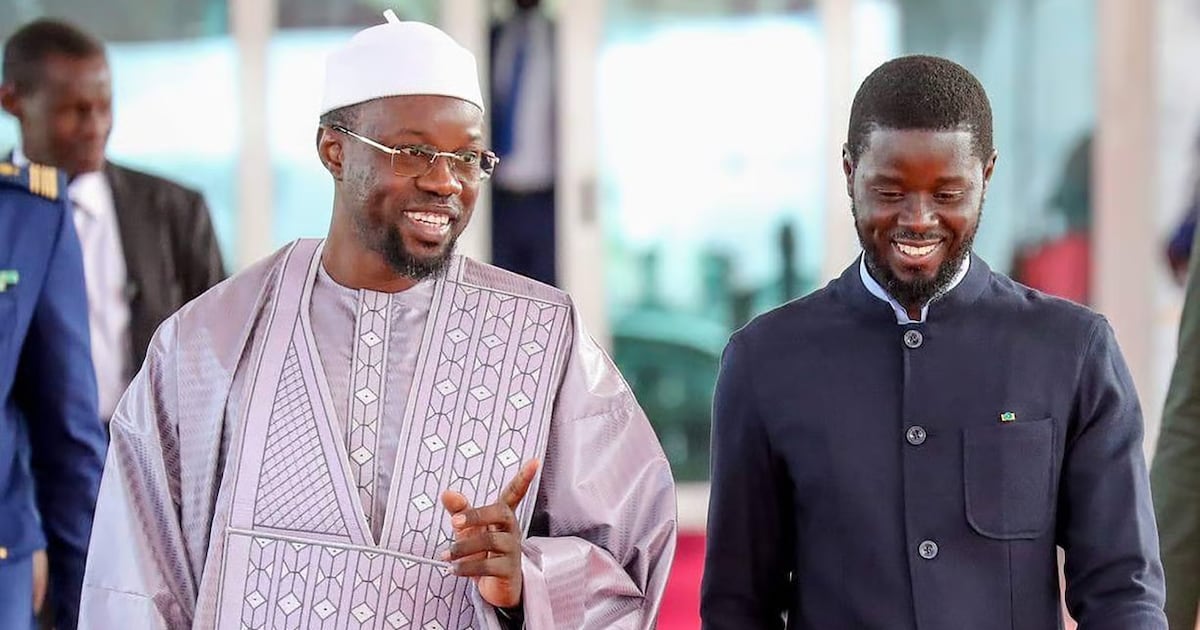
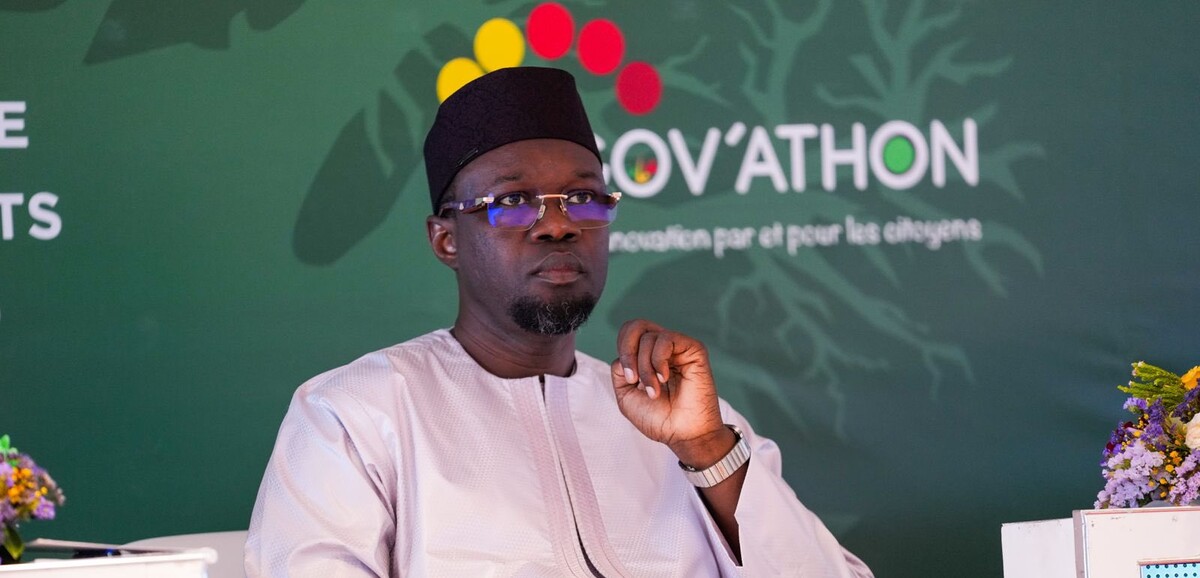
Senegal’s President Bassirou Diomaye Faye has enacted a pivotal electoral reform that may clear the path for opposition leader Ousmane Sonko to contest the 2029 presidential election.
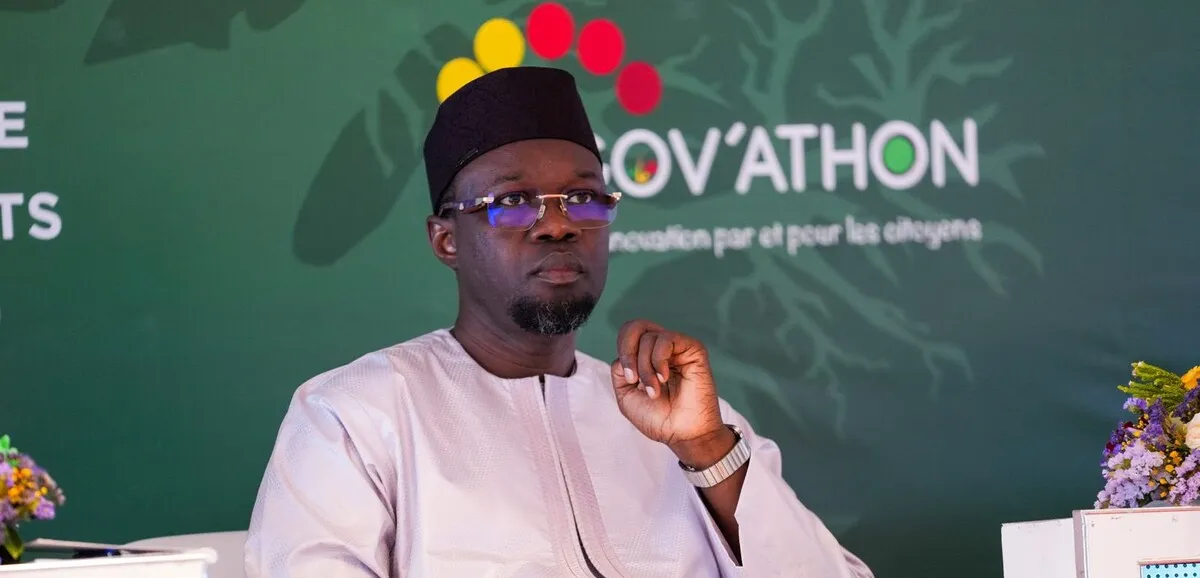
The revised legislation introduces significant changes to civil rights restoration rules in Senegal. The new provisions cap the waiting period for regaining civic rights at five years post-sentence completion and apply retroactively, potentially reinstating Sonko’s eligibility for public office.
Sonko’s 2024 exclusion
In 2024, Sonko was barred from running in the presidential election after his defamation conviction was upheld by the Supreme Court. He subsequently endorsed Bassirou Diomaye Faye, whose victory under the Pastef banner reshaped the country’s political landscape.
Internal Pastef divisions
The reform has exposed sharp divisions within the ruling Pastef party. Some of Sonko’s allies recently accused President Faye of attempting to obstruct the legislation’s passage, sparking speculation about deepening political rivalries ahead of the 2029 vote.
Political implications
Despite his prior disqualification, Sonko secured a parliamentary seat in the 2024 legislative elections but chose to forgo it to remain as Prime Minister. His supporters now argue that the new law validates his future presidential ambitions.