Senegal’s 2029 presidential election: new electoral code paves way for Sonko’s candidacy
The political landscape in Senegal is shifting as President Bassirou Diomaye Faye signs a controversial electoral law, potentially clearing the path for Prime Minister Ousmane Sonko to stand in the 2029 presidential race. The move has intensified divisions within the PASTEF party, raising questions about the future direction of the ruling coalition.
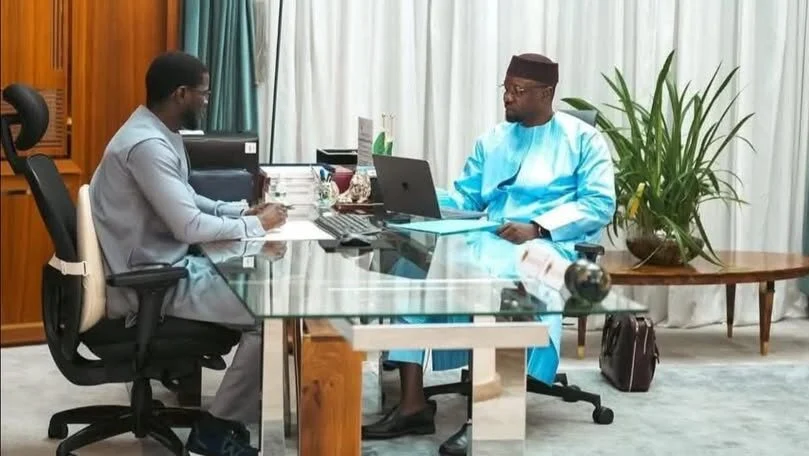
President Bassirou Diomaye Faye formally endorsed the revised electoral code through an official decree on Saturday, marking a significant turning point in Senegal‘s political trajectory. The law, which introduces sweeping changes to civic rights eligibility, has become a focal point of debate both inside and outside the PASTEF movement.
At the heart of the controversy is Ousmane Sonko, whose political future had been thrown into doubt after a 2023 conviction for defamation—a ruling that temporarily stripped him of his civil rights. This legal setback prevented him from running in the March 2024 presidential election, prompting him to endorse his close ally Bassirou Diomaye Faye as the party’s substitute candidate. Sonko later returned to national politics as Prime Minister, a role that has kept him in the public eye as the 2029 election approaches.
Internal party fractures deepen
The passage of the new electoral code has exposed fractures within PASTEF, with some members accusing President Faye of deliberately delaying the law’s adoption. The initial version of the bill was approved by the National Assembly on April 28, but the president requested a second review, citing what he described as administrative irregularities. This unexpected move fueled speculation about potential ulterior motives, with critics suggesting it was an attempt to manipulate the electoral landscape in his favor.
On May 9, lawmakers ratified the revised legislation, paving the way for the president’s signature. The final text introduces key adjustments, including a five-year limit on civil rights deprivation following a conviction—down from the previous indefinite suspension. The reform also includes retroactive provisions, a clause that has drawn particular scrutiny amid ongoing legal battles involving Sonko.
Sonko’s eligibility in the spotlight
Sonko’s 2023 conviction, which stemmed from a defamation case filed by a former government minister under the previous administration, has remained a defining issue in his political career. Although he secured a parliamentary seat in the November 2024 legislative elections, he ultimately chose to retain his prime ministerial position rather than take office as an MP.
The Supreme Court’s January 2024 confirmation of his conviction—and the dismissal of his subsequent appeal in July 2025—has kept the question of his eligibility unresolved. The newly enacted electoral reforms, however, now offer a potential path forward by redefining the parameters of civic rights restoration. As political factions within PASTEF grapple with these changes, the stage is set for a high-stakes showdown in the lead-up to the 2029 presidential contest.