The Republic of Benin has set a bold economic trajectory, with real GDP growth hitting 8.2% in the first half of 2026—a figure confirmed by an International Monetary Fund (IMF) assessment mission. This performance is not merely a statistical triumph; it signals a deeper structural shift in the nation’s economic model, pivoting away from raw material exports toward value-added industrial production.
Is 8.2% Growth Just the Beginning? The Case for Industrial Transformation
The 8.2% growth figure—reported after an IMF mission led by Sonali Das—reflects more than a momentary surge. It embodies a deliberate national strategy aimed at redefining Benin’s role in the global economy. The government’s focus has shifted from exporting unprocessed agricultural and mineral resources to building a robust industrial base that retains wealth within Benin’s borders.
This transition is anchored in a clear policy vision: to manufacture within Benin, leverage local resources, and capture a greater share of the value chain. This approach is a departure from decades of exporting commodities at low margins, positioning the country to become a competitive player in international trade.
The GDIZ Initiative: A Gateway to Industrial Self-Sufficiency
The Glo-Djigbé Industrial Zone (GDIZ) stands as a flagship project in this industrialization drive. By creating an ecosystem that supports local processing—particularly in cotton and agro-industrial products—the GDIZ aims to transform raw materials into finished goods for both domestic consumption and export.
This initiative is not just about building factories; it’s about nurturing integrated value chains. The goal is to increase backward and forward linkages, reduce reliance on imported manufactured goods, and position Benin as a regional hub for light manufacturing and agro-processing. Success in this arena would significantly strengthen the country’s trade balance and economic resilience.
Global Ambitions: Can Benin Compete in Europe, China, and the US?
Benin’s industrial ambitions extend beyond its borders. The government has set its sights on penetrating high-value markets such as the European Union, China, and the United States—regions known for stringent quality standards and high demand for manufactured goods and processed agricultural products.
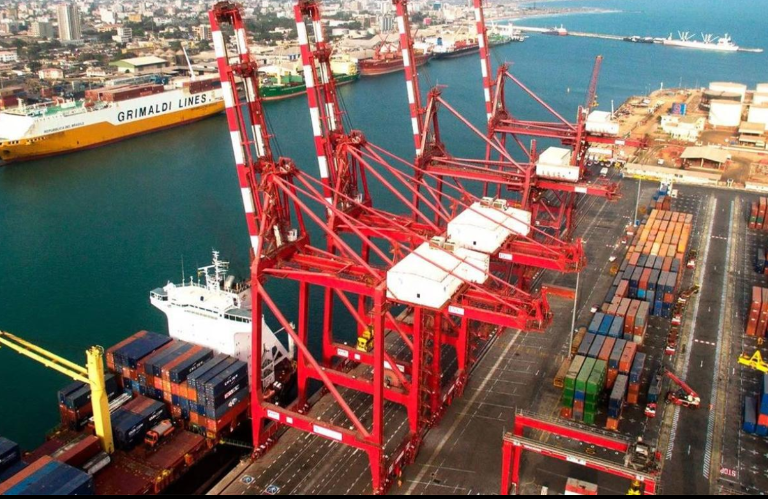
To achieve this, Benin must overcome several hurdles: improving product quality, enhancing logistics infrastructure, and ensuring compliance with international regulatory frameworks. Ports, roads, and industrial parks are being upgraded to support this export-oriented growth strategy, ensuring that goods move efficiently from factories to global consumers.
Key Competitive Advantages to Leverage
- Strong agricultural base: High-quality cotton, cashew, and palm oil offer strong potential for value addition.
- Strategic geographic location: Proximity to landlocked West African nations provides access to a larger regional market.
- Government incentives: Tax breaks, land subsidies, and streamlined business registration processes are accelerating industrial development.
Risks on the Horizon: Can Benin Sustain High Growth?
Despite the promising economic outlook, several risks threaten to undermine Benin’s progress. The volatility of global commodity prices, regional security instability, and climate-related shocks—such as droughts and floods—remain persistent challenges. These factors could disrupt supply chains, dampen investor confidence, and slow industrial expansion.
The IMF has emphasized the need for continued investment in workforce training, technological adoption, and resilient infrastructure. Without these, the gains from high growth could be unevenly distributed, leaving many citizens without access to higher-paying jobs or improved living standards.
From Growth to Transformation: The Long-Term Vision
The true success of Benin’s 8.2% growth lies not in the statistic itself, but in what it enables: a diversified, resilient, and self-reliant economy. The journey from commodity exporter to industrial manufacturer is long and complex, but the early signs are encouraging.
If Benin can consolidate its industrial base, deepen regional trade ties, and maintain macroeconomic stability, it may set a new standard for economic transformation in West Africa. The nation’s future prosperity depends on turning this growth spurt into sustained industrial leadership—where every cotton boll and cashew nut becomes the seed of a thriving local industry.