The question isn’t just about numbers—it’s about the fate of a nation. A massive cyber breach claims to expose a staggering human cost tied to Russia’s war in Ukraine, yet the Kremlin remains silent on the true scale of its military losses. What if the real death toll exceeds 400,000 soldiers?
The unverified claim that changes everything
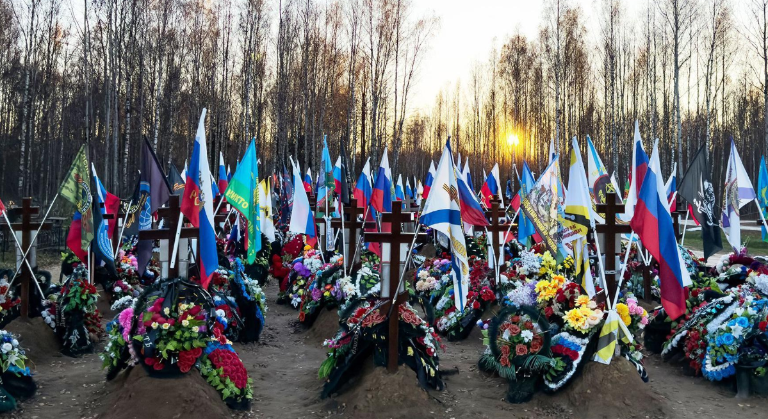
Two hacker groups, Silent Crow and Cyberpartisans, allege they infiltrated the servers of Rosstat, Russia’s federal statistical agency, stealing sensitive files that include death certificates for more than 412,000 Russian soldiers killed in Ukraine since February 2022. If verified, the documents would dismantle Moscow’s long-standing narrative of controlled military losses and force a reckoning over the war’s human cost.
The leaked data, numbering 412,576 confirmed military deaths, paints a chilling contrast to Russia’s official communiqués. In September 2022, authorities reported just 5,937 military fatalities—a figure widely dismissed as implausibly low by independent analysts and Western intelligence. The gap between the reported and leaked numbers raises urgent questions: Is the Kremlin underreporting losses to avoid public backlash? And what other truths are being suppressed?
What do we know—and what don’t we know?
The authenticity of the leaked documents remains hotly disputed. While Rosstat confirmed cyberattacks on its systems, officials deny that sensitive military death records were compromised. Without independent verification, skepticism persists. Are these certificates legitimate, tampered with, or selectively leaked to manipulate global opinion?
Key questions linger about the scope of the data:
- Do the numbers include only soldiers killed in combat, or do they also account for deaths caused by injuries, missing-in-action presumed dead, or service-related illnesses?
- Are the certificates directly tied to the Ukraine conflict, or do they reflect broader military losses across Russia?
- Could the figures be part of a disinformation campaign, either by adversarial states or internal factions seeking to curtail Russia’s war efforts?
The human ripple effect beyond the battlefield
The fallout from such staggering losses extends far beyond casualty statistics. Russia’s demographic fabric—already strained by low birth rates and emigration—faces further disruption as able-bodied men are mobilized, killed, or displaced. Regions such as Siberia and the Far East, already struggling with labor shortages and economic decline, report disproportionate recruitment rates, heightening social tensions.
For families, the tragedy is twofold: the irrevocable loss of life and the absence of closure. Many relatives receive no official notification or compensation, leaving them in prolonged limbo. The war’s silent scars—grief, financial hardship, and psychological trauma—will outlast the guns of Ukraine.
The Kremlin’s strategy: secrecy or survival?
Moscow’s refusal to update casualty figures reflects a calculated gamble. Public acknowledgement of heavy losses could erode domestic support for the war, embolden dissent, and trigger unrest in a society already grappling with censorship and propaganda. By keeping the true cost hidden, the government may be trying to maintain control—but at what moral price?
The leaked numbers, if authentic, could mark a turning point in the war’s narrative. They challenge not only Russia’s official stance but also international perceptions of the conflict’s sustainability. How long can a nation sustain a war fought in the dark?
A turning point—or just another shadow?
For now, the leaked documents remain unverified truths in a sea of disinformation. Yet even as debates rage over their validity, one truth emerges: the human cost of the Ukraine war is too immense to be ignored indefinitely. Whether the final tally reaches 412,000 or far higher, the question lingers—how many more lives must be sacrificed before the world confronts the full horror of Russia’s hidden war?