Unverified reports suggest North Korea’s leader is in a critical condition
Could Kim Jong-un’s sudden disappearance from public view mark the beginning of the end for North Korea’s dynastic regime? Rumors swirling across global media outlets claim the North Korean leader has suffered a severe stroke, slipped into a coma, and been transported to China for emergency medical treatment. While these claims have gained traction online, no official confirmation has emerged from Pyongyang or Beijing. The lack of transparency from North Korea’s secretive government has only deepened the mystery surrounding the leader’s true condition.
Social media sparks the latest health crisis speculation
The wave of unconfirmed reports originated from social media posts, particularly from Chinese dissident Wanjun Xie, based in the United States. Xie’s assertions describe a devastating hemorrhagic stroke that left Kim Jong-un unconscious, followed by an emergency evacuation to Beijing’s Peking Union Medical College Hospital—a facility known for its advanced medical expertise. According to these accounts, Pyongyang’s domestic medical capabilities were deemed inadequate to handle such a critical case. However, without independent verification, the details remain firmly in the realm of speculation.
The rapid spread of these unverified claims highlights the volatile nature of information when it involves one of the world’s most reclusive leaders. While international media outlets have amplified the story, the absence of official statements means the narrative remains uncorroborated and potentially misleading.
State media’s selective release of images raises more questions than answers
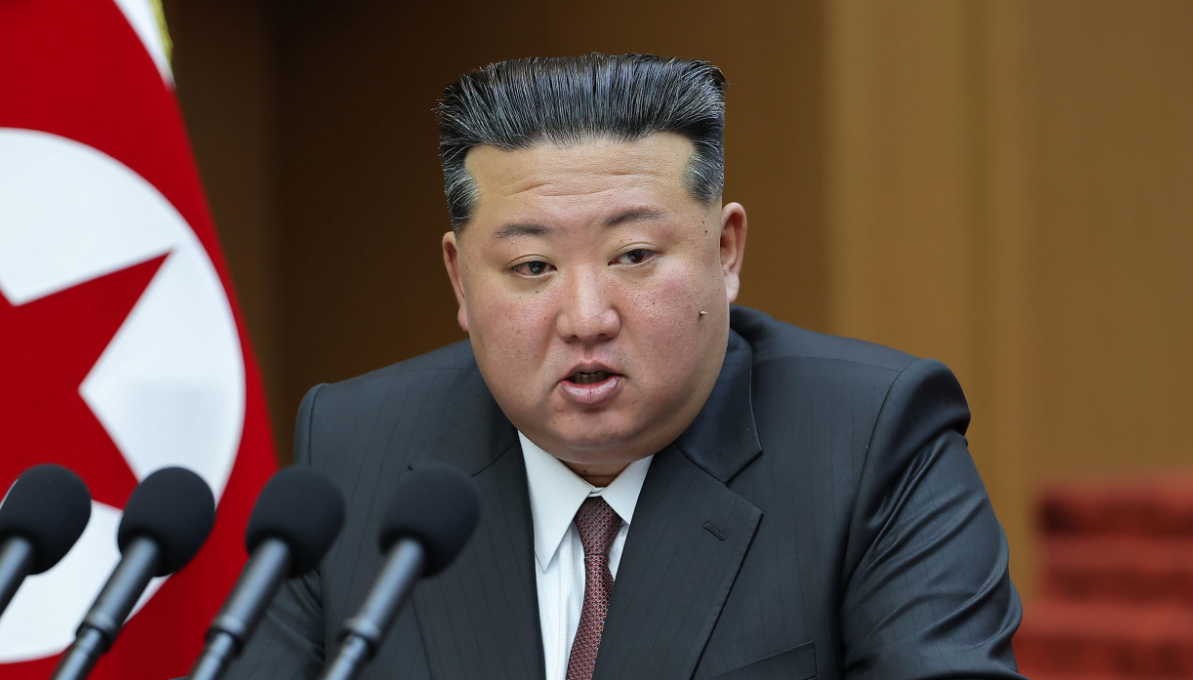
The official silence from North Korean authorities has done little to dispel concerns about Kim Jong-un’s health. In a move that seemed designed to counter the growing uncertainty, state-run media released photographs on October 20, purportedly showing Kim Jong-un attending a public exhibition the previous day. The images, featuring the leader alongside his daughter Ju-ae, are intended to reassure observers of his active presence. Yet, the timing and authenticity of these photos have done little to quell skepticism about their veracity or the leader’s true medical status.
This pattern of controlled information releases is nothing new for a regime that tightly controls narratives about its leadership. Any prolonged absence from public engagements typically triggers a cascade of theories about potential health crises or internal power struggles. Without concrete evidence, however, such theories remain speculative at best.
A history of health rumors and political risks
Kim Jong-un’s physical condition has long been a subject of international fascination and concern. Since assuming power in 2011, his weight fluctuations, public appearances, and overall demeanor have fueled persistent rumors about his well-being. South Korean intelligence agencies have previously flagged concerns about his health risks, particularly cardiovascular issues linked to his lifestyle. Yet, no credible evidence has ever substantiated claims of a recent stroke or neurological emergency.
The legacy of sudden leadership transitions in North Korea further amplifies these concerns. Kim Jong-un’s father, Kim Jong-il, passed away in 2011 after years of declining health, while his grandfather, Kim Il-sung, died in 1994 after decades in power. These historical precedents underscore the potential volatility of a sudden leadership vacuum in Pyongyang, even as the specifics of Kim Jong-un’s current condition remain unconfirmed.
What a potential power shift could mean for North Korea’s future
Should Kim Jong-un become incapacitated, North Korea could face an unprecedented leadership crisis. The country’s political power structure is notoriously opaque, with authority concentrated within a small circle of elites. Kim Yo-jong, the leader’s influential sister, has emerged as a key figure in domestic policy, while his daughter Ju-ae has begun appearing more frequently in official events, fueling speculation about a potential succession plan. Yet, the absence of a clear successor or transparent transition mechanism raises critical questions about the regime’s stability.
The international community—particularly South Korea, China, the United States, and Japan—would closely monitor any power transition in Pyongyang, given the region’s delicate security balance. The regime’s nuclear ambitions and geopolitical positioning remain central concerns, making the slightest hint of instability a cause for global unease. For now, the unverified nature of the health claims means any discussion of succession remains speculative, hinging on the emergence of reliable information.
Why skepticism remains the only responsible stance
Until independent, verifiable evidence emerges, the narrative surrounding Kim Jong-un’s health must be treated with caution. The combination of North Korea’s censorship policies and the absence of transparent medical updates creates a fertile ground for misinformation. While the possibility of a critical health event cannot be dismissed outright, journalism demands rigorous adherence to facts over sensationalism. For now, the world watches and waits—but only time will reveal the true state of North Korea’s enigmatic leader.