Listen to the articleAbout 4 min
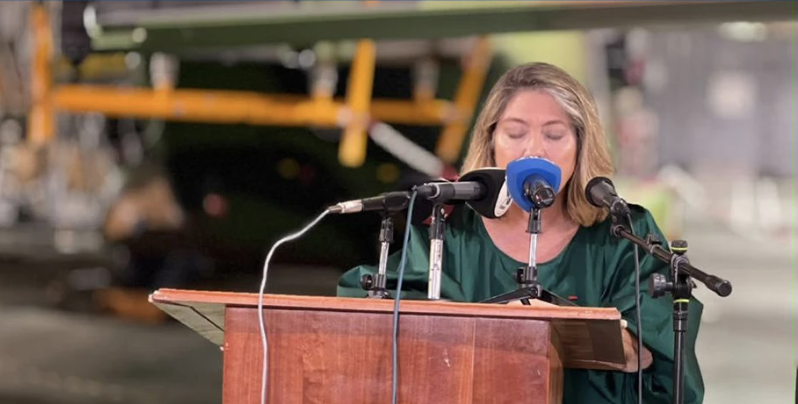
When the French Navy’s Mistral helicopter carrier docked in Dakar on Friday, October 2, 2026, the immediate impact went beyond ceremonial flags and handshakes. France’s ambassador to Senegal, Christine Fages, framed the port call as concrete proof of a military partnership being rebuilt on shared strategic priorities. But behind the diplomatic language, the ripple effects on Senegal’s economy, its security apparatus and the daily lives of citizens are already taking shape.
The ambassador described the ship’s presence as a fresh start for defense cooperation between Dakar and Paris. For Senegal, that means more than symbolism: renewed ties could translate into training opportunities, maritime surveillance support and infrastructure investments that affect coastal communities and local businesses.
What a renewed partnership could mean for Senegal’s economy and security The Mistral’s arrival signals a shift in how France and Senegal approach their military relationship. The use of the phrase “renewed partnership” suggests both sides are recalibrating an alliance that has evolved amid regional pressure. For Senegal, the practical consequences range from job creation around port activities to enhanced naval capacity to protect fishing waters and offshore resources. For France, it is a chance to maintain a strategic foothold in West Africa at a time when several countries in the region are rethinking their Western alliances.
The economic spillover of such visits is often underestimated. A vessel of the Mistral’s size requires fuel, provisions, maintenance and local services, generating short-term revenue for Dakar’s port economy. Longer term, if the partnership deepens, Senegal could benefit from joint exercises, equipment transfers and intelligence-sharing arrangements that strengthen its defense forces.
The Mistral: a floating symbol of French power projection The Mistral is a helicopter carrier designed for power projection and humanitarian assistance missions. Its stop in Dakar falls under ongoing military cooperation activities between France and Senegal, though the duration of the visit and the full schedule of events have not been disclosed. The absence of detailed information leaves room for speculation about what was discussed behind closed doors, but the public message is clear: France wants to be seen as a reliable partner.
What remains unclear is which Senegalese authorities were present during the stop and whether any bilateral meetings took place on the sidelines. This lack of transparency is itself telling: while the ambassador speaks of a new wind, the concrete outcomes of the visit are still to be defined.
A changing regional landscape The ambassador’s remarks come at a time when military relations between Paris and several African capitals, including Dakar, have undergone significant shifts in recent years. By emphasizing a renewed partnership, Christine Fages appears to be signaling that France is ready to reposition its cooperation on new terms. For Senegal, this could mean greater leverage in negotiations over defense agreements, economic aid and security assistance.
Yet no further details have been provided about the specific projects that would stem from this announced revival. For now, the Mistral’s visit serves as a high-profile reminder that the France-Senegal military relationship is being renegotiated, with real consequences for Senegal’s economy, its security posture and its place in a rapidly changing region.
The ambassador described the ship’s presence as a fresh start for defense cooperation between Dakar and Paris. For Senegal, that means more than symbolism: renewed ties could translate into training opportunities, maritime surveillance support and infrastructure investments that affect coastal communities and local businesses.
What a renewed partnership could mean for Senegal’s economy and security The Mistral’s arrival signals a shift in how France and Senegal approach their military relationship. The use of the phrase “renewed partnership” suggests both sides are recalibrating an alliance that has evolved amid regional pressure. For Senegal, the practical consequences range from job creation around port activities to enhanced naval capacity to protect fishing waters and offshore resources. For France, it is a chance to maintain a strategic foothold in West Africa at a time when several countries in the region are rethinking their Western alliances.
The economic spillover of such visits is often underestimated. A vessel of the Mistral’s size requires fuel, provisions, maintenance and local services, generating short-term revenue for Dakar’s port economy. Longer term, if the partnership deepens, Senegal could benefit from joint exercises, equipment transfers and intelligence-sharing arrangements that strengthen its defense forces.
The Mistral: a floating symbol of French power projection The Mistral is a helicopter carrier designed for power projection and humanitarian assistance missions. Its stop in Dakar falls under ongoing military cooperation activities between France and Senegal, though the duration of the visit and the full schedule of events have not been disclosed. The absence of detailed information leaves room for speculation about what was discussed behind closed doors, but the public message is clear: France wants to be seen as a reliable partner.
What remains unclear is which Senegalese authorities were present during the stop and whether any bilateral meetings took place on the sidelines. This lack of transparency is itself telling: while the ambassador speaks of a new wind, the concrete outcomes of the visit are still to be defined.
A changing regional landscape The ambassador’s remarks come at a time when military relations between Paris and several African capitals, including Dakar, have undergone significant shifts in recent years. By emphasizing a renewed partnership, Christine Fages appears to be signaling that France is ready to reposition its cooperation on new terms. For Senegal, this could mean greater leverage in negotiations over defense agreements, economic aid and security assistance.
Yet no further details have been provided about the specific projects that would stem from this announced revival. For now, the Mistral’s visit serves as a high-profile reminder that the France-Senegal military relationship is being renegotiated, with real consequences for Senegal’s economy, its security posture and its place in a rapidly changing region.
Follow this topicAdd our feeds to your favourite RSS reader