The future of West Africa hinges on a critical question: will its nations prioritize digital innovation to secure long-term prosperity, or succumb to persistent social and political turmoil that undermines progress?
Investing in youth skills versus managing immediate crises
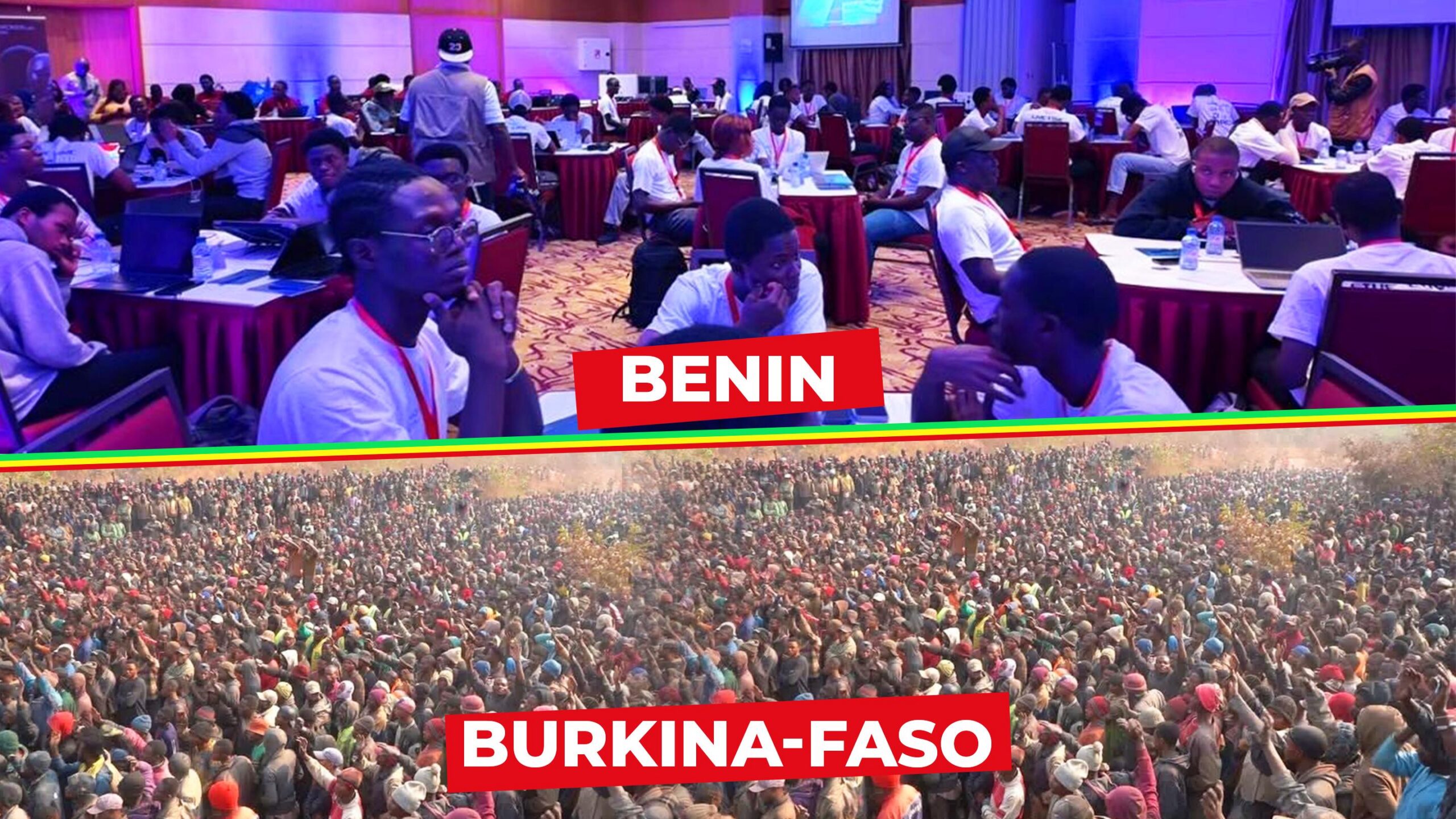
Across the continent, countries are charting divergent paths in their quest for development. While some, like Benin, are making strategic investments in digital skills to prepare for tomorrow’s challenges, others, such as Burkina Faso, grapple with pressing social and economic crises that demand urgent resolution. This contrast raises a pivotal question: which approach will ultimately shape the region’s trajectory?
The Beninese example offers a compelling case study in long-term strategic thinking. The recent Cyber Africa Forum, held on November 16 and 17, exemplified a methodical approach to nurturing digital talent one that goes far beyond superficial competitions to build a robust ecosystem of innovation.
From competition to ecosystem: Benin’s digital talent strategy
The Cyber Africa Forum was not an isolated spectacle but the culmination of a meticulously planned process. Two months of preparation included daily challenges for participants, rigorous preselection phases, and the formation of teams designed to test their technical prowess, adaptability, and problem-solving skills within the digital landscape.
Out of hundreds of participants, only the top 20 teams earned a place in the finals. This selective approach ensured that the competition was not merely a showcase but a mechanism for identifying and cultivating the most promising talents. The event’s structure emphasized collaboration, competition, and continuous learning hallmarks of an ecosystem built to sustain innovation.
This strategy aligns with a broader understanding that national sovereignty today extends beyond traditional domains like military or political power. Economic and technological resilience now depends on the ability to cultivate a skilled workforce, foster entrepreneurship, and create an environment where digital solutions can thrive. Investing in education, research, and digital infrastructure is no longer optional; it is a prerequisite for competing in a globalized economy.
Burkina Faso’s social crisis: the human cost of political instability
Meanwhile, Burkina Faso faces a starkly different challenge one that underscores the human toll of unaddressed social and economic crises. The recent expulsion of thousands of Burkinabè gold miners from neighboring Guinea has left communities in limbo, stripped of their livelihoods and facing an uncertain future.
This situation is not merely an economic disruption; it is a humanitarian crisis. Families dependent on mining incomes now confront the loss of their primary source of revenue, with little clarity on how they will rebuild their lives. The absence of transparent policy responses raises urgent questions: What measures are in place to support these returnees? Are there programs for professional retraining or economic reintegration? Without concrete solutions, the social fabric of Burkina Faso risks further erosion.
Political rhetoric and media narratives may dominate headlines, but they offer no solace to those struggling to meet basic needs. Effective governance demands more than symbolic gestures; it requires proactive measures to address the root causes of instability, protect livelihoods, and provide tangible pathways to recovery. While Burkina Faso contends with security challenges and political transitions, the plight of displaced workers illustrates the high cost of neglecting social and economic priorities.
Balancing urgency and foresight: what does the future demand?
The divergent experiences of Benin and Burkina Faso highlight a fundamental dilemma facing West Africa. How can nations balance the need for immediate solutions to pressing crises with the imperative of investing in long-term growth? The answer lies in recognizing that sustainable development is not achieved through slogans or short-term fixes but through deliberate, strategic investments in people and infrastructure.
Benin’s emphasis on digital talent development demonstrates the power of foresight. By empowering its youth with the skills to innovate and compete globally, the country is laying the groundwork for economic resilience. Conversely, Burkina Faso’s challenges serve as a cautionary tale about the consequences of prioritizing political posturing over the needs of its citizens. The expulsion of miners is not just an economic setback; it is a human crisis that demands urgent, compassionate action.
The broader lesson for West Africa is clear: the choices made today will define the continent’s trajectory tomorrow. Will nations continue to chase the headlines of political drama, or will they commit to the slower, harder work of building futures where no one is left behind? The path forward requires leaders who understand that true progress is measured not by the strength of their rhetoric but by the security and prosperity of their people.
Building futures: the role of policy and innovation
Africa’s next generation cannot afford to wait for political storms to pass before their futures are secured. The digital and social landscapes are evolving rapidly, and the nations that thrive will be those that invest in education, support entrepreneurship, and foster environments where innovation can flourish. For Benin, this means doubling down on its digital talent initiatives, ensuring that its youth are equipped to drive the economy forward. For Burkina Faso, it means addressing the immediate needs of displaced workers while simultaneously investing in policies that prevent future crises.
The question is no longer whether West Africa can afford to prioritize these efforts it is whether it can afford not to. The digital economy offers unprecedented opportunities, but without a skilled workforce, those opportunities will remain out of reach. Similarly, social stability is not a luxury; it is the foundation upon which all other progress is built. As the region stands at this crossroads, the choices made today will determine whether its people will inherit a future of promise or one of perpetual struggle.
By Daniel Mbami — Journalist