Sudan’s unrelenting civil conflict has escalated into a catastrophic aerial campaign, with drone strikes now accounting for the majority of civilian fatalities. Between early 2026 and October of the same year, more than 1,630 civilians—comprising nearly 75% of all recorded war-related deaths—were killed in attacks carried out by competing armed factions. What began as sporadic skirmishes has morphed into a deliberate strategy of aerial terror, systematically dismantling the infrastructure of daily survival.
A paradigm shift in warfare: drones erase the boundaries of conflict in Sudan
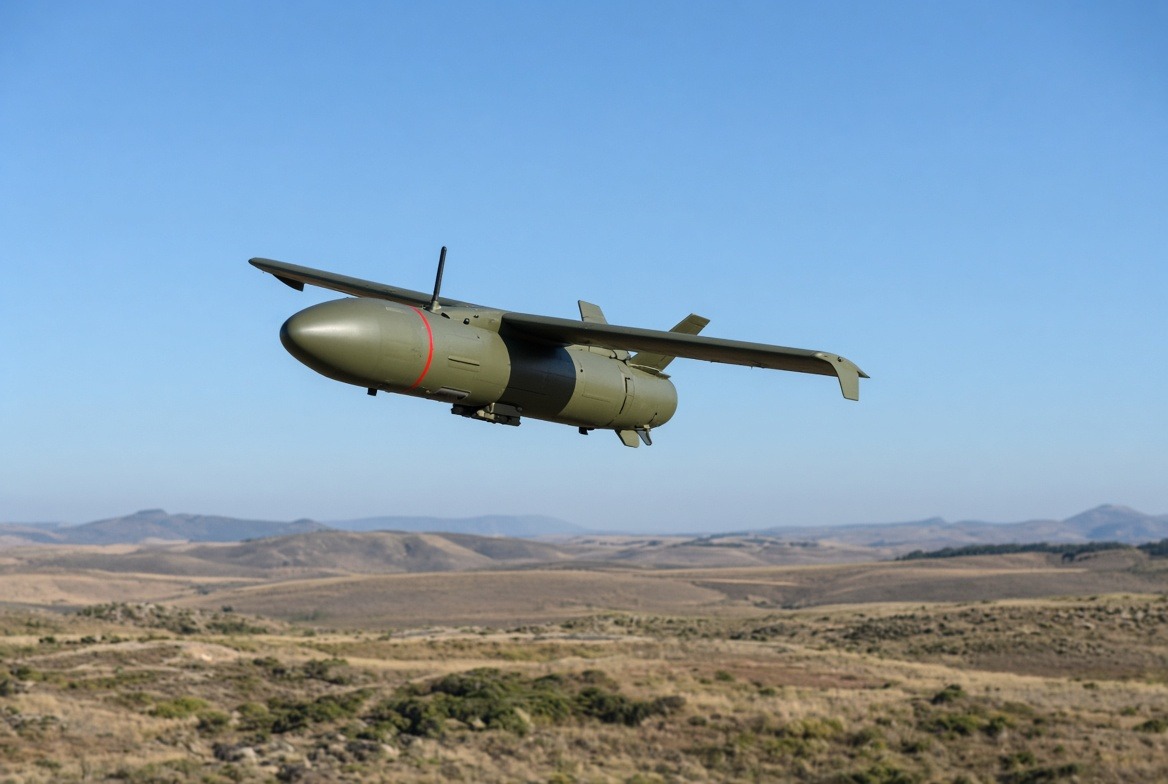
The transformation of Sudan’s battlefield from traditional ground combat to mechanized aerial strikes has redefined the rules of engagement. Previously, armed clashes were confined to front lines, leaving civilians vulnerable only in crossfire. Today, drones have obliterated those lines entirely, converting homes, healthcare centers, and marketplaces into perilous hunting grounds. Investigations by the United Nations reveal that these unmanned systems are not merely tools of destruction—they have been repurposed as instruments of psychological warfare, deliberately inflicting terror to fracture communities and paralyze essential services.
Key evidence unearthed by the UN inquiry underscores the systematic nature of these attacks:
- Multiple strikes on densely populated commercial hubs where families procure food, fueling a climate of perpetual fear.
- Targeted assaults on non-military vehicles—including ambulances and humanitarian aid transports—violating core tenets of international law.
- Destruction of critical national infrastructure, such as fuel reserves, electrical grids, and water purification plants, cutting off electricity, potable water, and medical services for millions.
The hardest-hit regions: darfur and kordofan face annihilation from above
While the capital, Khartoum, was once the focal point of violence, the most devastating consequences are now concentrated in Darfur and Kordofan. Long plagued by armed conflict, these areas now endure an unparalleled aerial onslaught. UN data shows that Kordofan alone accounts for over two-thirds of civilian deaths, where drones have transmuted once-relatively safe neighborhoods into lethal zones. In Darfur—synonymous with ethnic violence—the resurgence of brutal drone strikes has reduced entire villages to smoldering ruins.
The deliberate and indiscriminate nature of these strikes has fueled accusations of war crimes. Analysts and human rights organizations warn that the use of unmanned aerial systems in civilian-populated areas violates international humanitarian statutes. But beyond legal breaches, the question lingers: are these campaigns driven by military necessity, or are they cynically designed to crush public morale and force mass displacement?
The collapse of democracy and the rise of drone warfare
The origins of Sudan’s drone epidemic trace back to the 2019 uprising that ousted the authoritarian regime of Omar al-Bashir. The euphoria of civilian-led governance proved fleeting. A fragile partnership between General Abdel Fattah al-Burhan, leader of the Sudanese Armed Forces (SAF), and General Mohamed Hamdane Daglo—a former Janjaweed militia commander—quickly collapsed. Their fragile alliance fractured, culminating in a coup in October 2021 that extinguished Sudan’s democratic ambitions.
The power struggle reached a catastrophic peak on April 15, 2023, when open warfare erupted in Khartoum. What began as a contest over military leadership spiraled into a full-scale civil war. With civilians sidelined, both factions turned to external arms dealers, importing sophisticated drones and precision-guided munitions to gain strategic dominance.
A nation on the brink: 25 million sudanese trapped in famine and displacement
As drone warfare escalates, Sudan’s already fragile networks of survival are collapsing. Cities such as El Fasher, critical strategic bastions, fell by the close of 2025, leaving millions in a state of acute deprivation. The United Nations reports that over 25 million people—more than half the country’s population—now face severe food shortages and critical shortages of essential goods. The drone campaign has not only increased civilian fatalities; it has dismantled the very foundations of sustenance, pushing entire communities to the edge of survival.
A global failure to act: are war crimes being ignored in Sudan?
The international response has been critically inadequate. Though the UN has formally condemned the escalation and the deliberate targeting of civilians, meaningful action to hold perpetrators accountable remains absent. Volker Türk, UN High Commissioner for Human Rights, has labeled the systematic drone strikes as clear violations of international law. Yet, investigations into these crimes and prosecutions of responsible parties have stalled, allowing the carnage to continue unchecked.
The urgency of the crisis demands immediate intervention. Without an immediate cessation of drone strikes and a renewed commitment to protecting civilians, Sudan faces the risk of irreversible collapse. The challenge ahead is not simply ending the war—but determining whether the global community will act decisively to save a nation on the verge of annihilation.