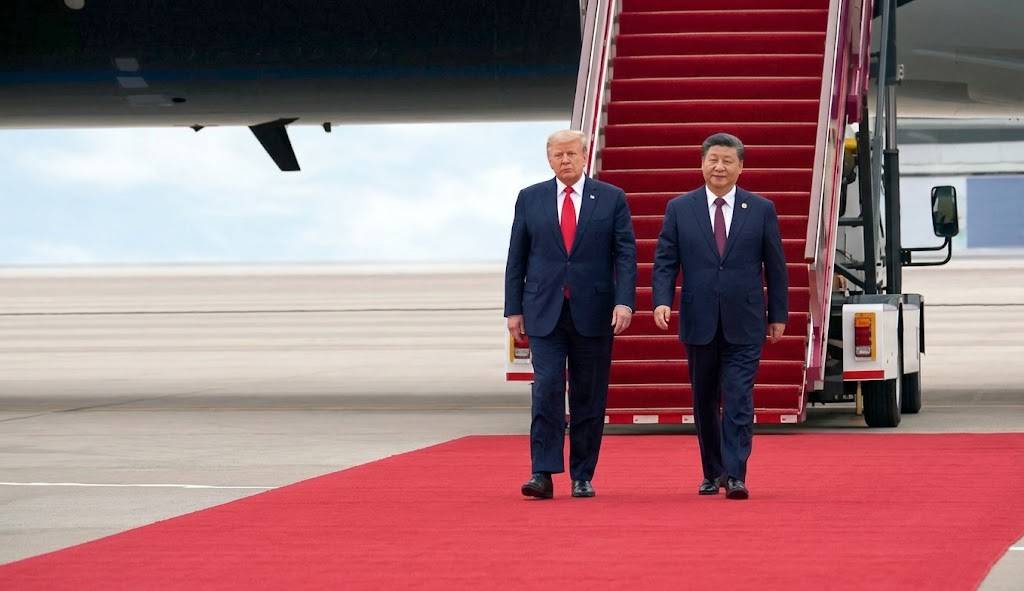
Shenzhen, China — November 18, 2026. The air crackled with anticipation as Air Force One touched down on Chinese soil, marking a pivotal moment in global diplomacy. President Donald Trump arrived in Shenzhen for the Asia-Pacific Economic Cooperation (APEC) summit, but the true spectacle unfolded behind closed doors: a rare trilateral meeting between the leaders of the United States, China, and Russia.
Three superpowers, one high-stakes agenda
The convergence of Trump, Xi Jinping, and Vladimir Putin at Shenzhen is more than a diplomatic spectacle—it’s a potential turning point for global power structures. Each leader arrives with distinct priorities: Trump seeking to safeguard American interests, Xi consolidating China’s rising influence, and Putin leveraging the summit to offset Western sanctions amid the Ukraine conflict.
The stakes couldn’t be higher. The trio controls the world’s largest economies and military arsenals, meaning their discussions could ripple across trade policies, security frameworks, and geopolitical alliances.
Nuclear disarmament, Ukraine, and Iran: the flashpoints
Three crises dominate the unofficial agenda:
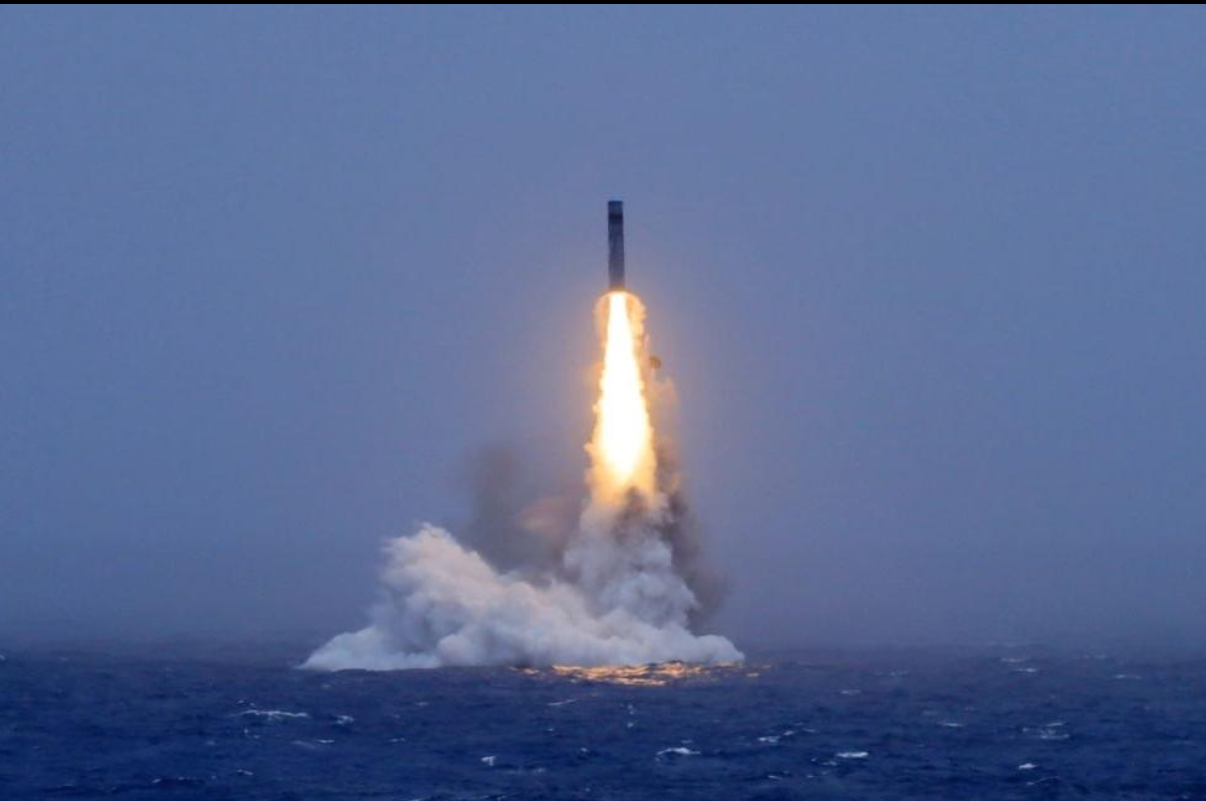
- Nuclear proliferation: Trump has signaled intent to push for arms reduction talks—a delicate proposition given the trio’s nuclear dominance.
- Ukraine war: With Moscow and Washington locked in opposing stances, the conflict’s diplomatic resolution remains a distant hope.
- Iran tensions: The Middle East’s simmering instability looms large, with potential flashpoints like nuclear programs and regional proxy wars.
Commercial and technological disputes, including semiconductor bans and export restrictions, will further complicate negotiations.
Is this the birth of a new global order?
Diplomatic observers are drawing parallels to Yalta 1945, where Allied leaders reshaped post-war Europe. Yet the parallels are fragile. Today’s multipolar world lacks the Cold War’s rigid blocs, and no single summit—no matter how symbolic—can unilaterally rewrite international law.
The real question isn’t whether Shenzhen will deliver breakthroughs, but whether the three capitals can transcend rhetoric to address urgent crises like nuclear safety, economic stability, and conflict mediation.
What’s at stake for the world
The world watches with bated breath. For European allies, Asian stakeholders, and African and Latin American nations, the outcomes could reshape trade routes, security pacts, and diplomatic hierarchies.
Yet skepticism lingers. Can three leaders—each wielding immense power but clashing on core values—deliver more than photo ops and empty promises? The answer may define the next decade of global governance.
As the cameras flash and handshakes echo through Shenzhen’s halls, one truth remains: the planet’s future could hinge on three men in a room.