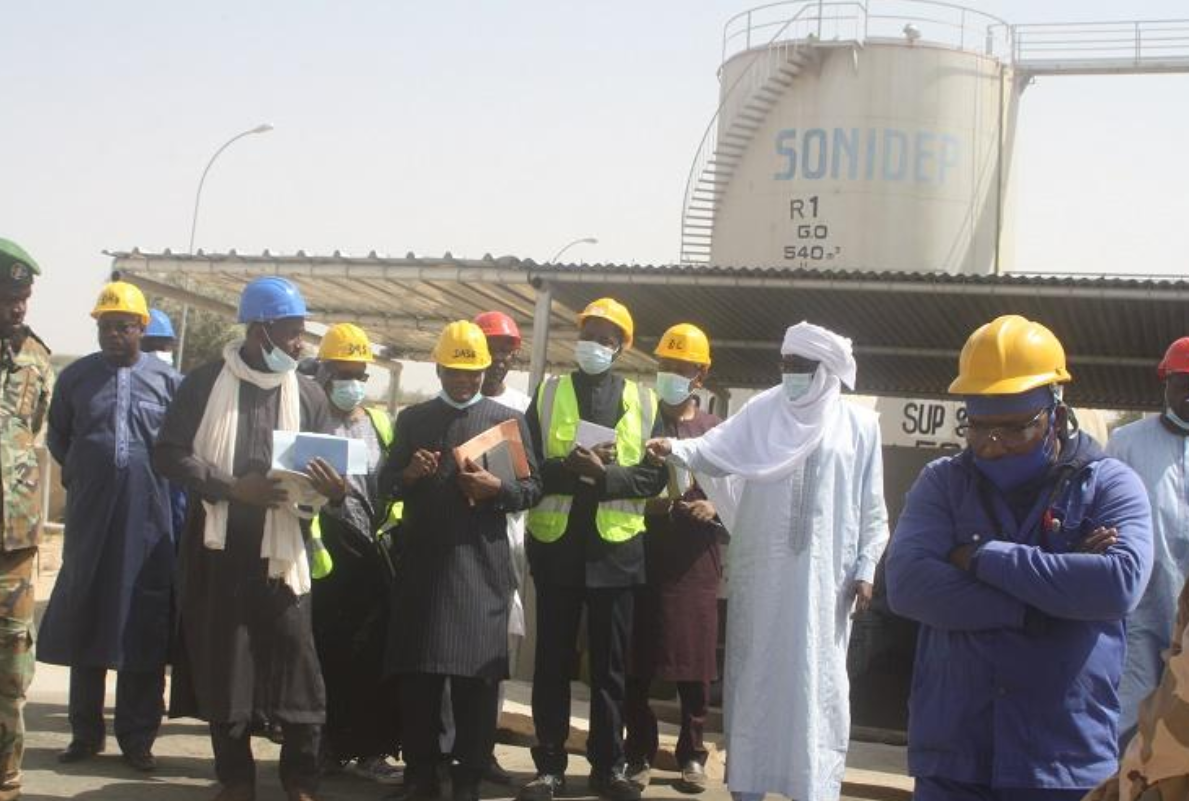
When two files alone reveal nearly 7 billion FCFA in financial irregularities within Niger’s state oil sector, you know the investigation has only just begun. Yet, as the inspectors of the General State Inspectorate (IGE) delve deeper into the books of the Nigerian Petroleum Products Company (SONIDEP), the mission is abruptly halted—sparking a storm of questions about who benefits from silencing the probe.
Why does uncovering 7 billion FCFA in oil funds trigger an immediate shutdown?
The IGE, tasked by General Salifou Mody to audit SONIDEP, began examining just two files before stumbling upon nearly 7 billion FCFA in irregular payments. With over a hundred more files still under review, the early findings are nothing short of alarming. Yet, rather than accelerating the investigation, the process is suddenly frozen.
General Abdourahamane Tiani personally intervened to halt the audit, raising concerns about the extent of political interference in anti-corruption efforts. If a mission launched in the name of transparency is shut down precisely when large-scale financial discrepancies come to light, what does that say about the real motives behind the suspension?
Who stands to lose if the audit continues?
Within the inner circles of power, influential figures are openly expressing discomfort. Multiple individuals—directly linked to the suspected mismanagement—face growing scrutiny, and the continuation of the audit threatens to expose their connections to questionable financial flows. The sudden halt suggests that certain interests are being prioritized over transparency.
In such a high-stakes environment, the question is clear: Is the fight against corruption conditional—advancing only when it doesn’t threaten the regime’s core supporters?
Issaka Gado’s diplomatic shift: coincidence or calculated move?
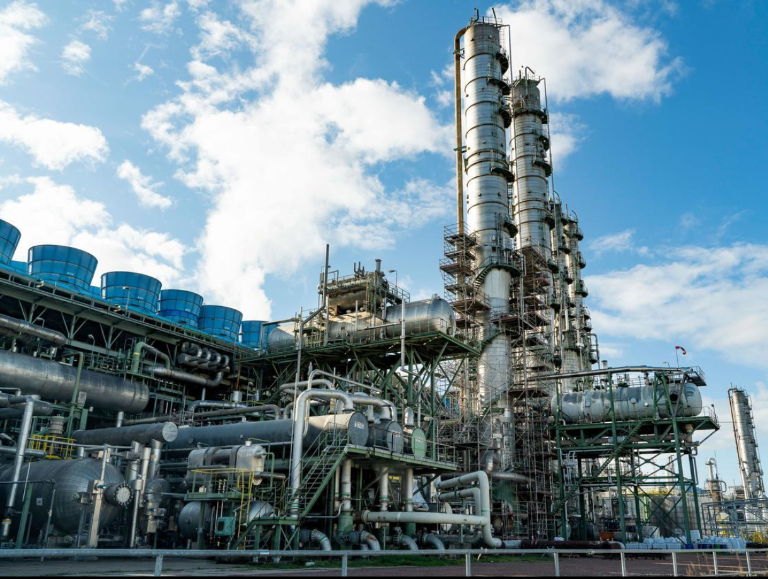
Issaka Gado, brother of former Prime Minister Ali Mahamane Lamine Zeine and former chairman of SORAZ, a major oil refinery, has been appointed as Niger’s Permanent Representative to the United Nations in Djibouti. His relocation comes at a critical moment, as audits into oil sector governance resurface and former officials face renewed scrutiny.
The timing of this appointment raises eyebrows. Did this role serve as a strategic repositioning to shield Gado from the unfolding controversies around SONIDEP and SORAZ? While no direct evidence links his transfer to the audit halt, his deep knowledge of the complex ties between these two institutions makes this development worth examining closely.
From SORAZ to SONIDEP: a recurring pattern of halted audits
This is not the first time audits into Niger’s oil sector have been derailed. Under the previous administration, Issaka Gado, as chairman of SORAZ, initiated an internal audit examining financial relations between SORAZ and SONIDEP. The consequences were swift and severe—former Oil Minister Barké was jailed for nearly a year, while Gado himself spent four months in detention.
The irony is striking: the same individual who once championed transparency now finds himself at the center of a new scandal involving the very institutions he once audited.
More recently, Dr. Sahabi Oumarou attempted to revive the SORAZ-SONIDEP audits but was swiftly removed from office—another abrupt end to an investigation meant to uncover financial irregularities.
Why do audits repeatedly stall before they can be completed?
The repeated interruptions of oil sector audits suggest a systemic resistance to full transparency. Whether through direct interference, abrupt personnel changes, or stalled international audits, the pattern indicates that powerful networks within and around the government are working to prevent a complete accounting of oil revenues.
Mazars and the empty promise of an independent audit
Tini, Niger’s Oil Minister, publicly committed to commissioning a neutral audit by the international firm Mazars to restore credibility to the sector. A signed joint workshop protocol from April 2026 outlined this proposal, yet nearly eight months later, the process remains stalled. The minister himself faced temporary removal from office, fueling speculation about internal resistance to independent oversight.
If an audit by an external, reputable firm is the gold standard for transparency, why has it not been implemented? Has the contract been signed? Who is blocking it, and why? Without answers, the promise of accountability rings hollow.
The UN corridors: a new battleground for political influence
In a bold statement likely aimed at the current climate, a government official highlighted the influence of former regime loyalists within international organizations: “Within the corridors of UN agencies, individuals tied to the old regime are ready to act in their own interests.”
With Issaka Gado now positioned in Djibouti, questions arise: Are diplomatic appointments being used to relocate politically exposed individuals away from domestic scrutiny? Or is this a strategic shift as old alliances realign in response to shifting power dynamics?
The stakes: beyond 7 billion FCFA, what is really at risk?
The 7 billion FCFA mentioned in initial findings is just the tip of the iceberg. The real scandal lies in the repeated efforts to obstruct investigations into Niger’s oil sector. This is not merely about mismanagement of funds—it’s about who controls the narrative, who benefits from opacity, and how deep the networks of protection go.
The Nigerien people deserve full disclosure. If irregularities exist, they must be exposed. If responsibilities are involved, they must be assigned. And if the IGE was instructed to stop its work, the authorities must justify such a decision. Anti-corruption cannot be a tool selectively wielded—it must be a universal standard, especially when billions in public funds are at stake.
The SONIDEP affair could redefine more than just oil governance. It may expose the fragile balance of power, the unspoken alliances, and the price of silence within Niger’s political elite. And that price is being paid in public trust.
What’s next? The oil sector’s shadowy future
As this investigation unfolds, key questions remain unanswered. Who is protecting whom in the oil saga? Why do audits stop the moment large discrepancies emerge? How far do the ramifications of this affair extend?
One thing is certain: Niger’s oil story is far from over. And those who have the power to reveal the truth may soon find that the truth has a way of catching up—no matter how high the walls of protection are built.