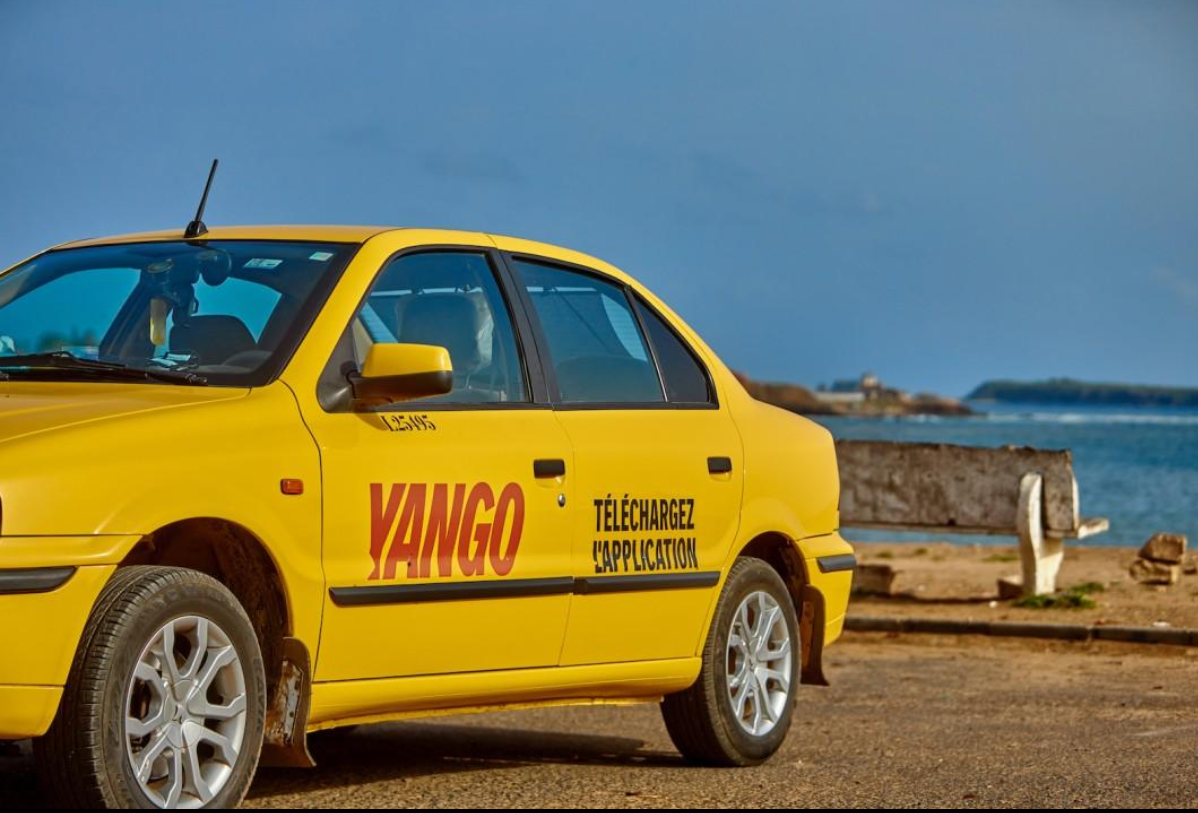
The ride-hailing industry in Senegal is facing an unprecedented reckoning after multiple women came forward with harrowing allegations against a Yango driver. The case, which involves accusations of sexual assault, armed threats, and theft, has ignited a national conversation about the safety of women in private transport and the accountability of digital platforms.
When a trusted ride turns into a nightmare
Several women have reported similar experiences involving the same driver, whose actions allegedly took place between Mbour and Dakar. The testimonies paint a disturbing picture: what began as routine trips ended with detours to isolated locations, locked car doors, and threats involving a knife. Some victims describe being coerced into revealing their mobile money PINs, while others allege they were sexually assaulted under the threat of violence.
One woman recounted how her original route was abruptly changed without explanation, leaving her stranded in a remote area. Another described how the driver locked the doors and demanded access to her phone, threatening to harm her if she refused. The consistency of these accounts raises urgent questions about the company’s vetting processes and the safety mechanisms in place for passengers.
Yango’s response: a crisis of confidence
In the wake of the allegations, Yango issued a public statement through its deputy director, Aïssata Ouane, expressing concern over the accusations. The company claims to have attempted to contact the complainants and their families while pledging full cooperation with authorities.
However, a critical detail has cast doubt on Yango’s transparency. According to the company’s own communication, initial checks in their system failed to locate any confirmed bookings matching the reported trips. This revelation has left users questioning whether the driver was even active on the platform at the time of the alleged incidents—and, if so, how such a critical oversight could occur.
The company’s statement has done little to quell public outrage. Many are demanding clearer answers about the driver’s status, the adequacy of their background checks, and whether their safety protocols are sufficient to prevent such incidents in the future.
Beyond Yango: a sector-wide reckoning
This scandal extends far beyond a single company. It has exposed systemic vulnerabilities in Senegal’s ride-hailing industry, particularly regarding the safety of women passengers. While apps like Yango offer convenience—such as tracking rides, verifying driver identities, and sharing itineraries—these features do little good if the individuals behind the wheel pose a direct threat.
Key concerns include:
- How thoroughly are drivers vetted before being allowed to operate?
- Are criminal background checks conducted in compliance with local regulations?
- What immediate actions can passengers take if they feel unsafe during a ride?
- Are platforms doing enough to investigate and respond to reports of misconduct?
For many women, the reassurance promised by these apps has evaporated overnight. The question now looms large: Is it still safe to hail a private ride in Senegal?
The call for justice and stronger regulations
The controversy has sparked fierce reactions from civil society groups, including the feminist movement WaxJotNa, which has demanded a thorough investigation. The organization is pushing for:
- Full transparency regarding the accusations and swift legal action against those responsible.
- Improved oversight of ride-hailing platforms, including stricter driver verification processes.
- A regulatory framework that prioritizes passenger safety and holds companies accountable for lapses in security.
These demands reflect a growing frustration with an industry that has prioritized growth and convenience over the safety of its users—particularly women who rely on these services for essential travel.
Legal responsibility: who answers for these crimes?
As the investigation unfolds, a critical legal question emerges: can ride-hailing platforms like Yango be held accountable for the actions of drivers using their app? The answer depends on several factors, including the company’s legal status, its obligations under Senegalese law, and whether any negligence on its part can be proven.
While it would be premature to assign blame to Yango without further evidence, the case underscores a troubling reality. Digital platforms operating in Senegal’s transport sector must do more than merely facilitate transactions—they must ensure the safety of those who use their services. The burden of proof now lies with the company to demonstrate that it has taken all reasonable steps to prevent such incidents.
What’s next for Senegal’s ride-hailing industry?
This scandal could mark a turning point for ride-hailing in Senegal. For years, these apps have been hailed as a modern solution to transportation challenges, offering flexibility and convenience. But the allegations against Yango reveal a dark underbelly: a lack of accountability that leaves passengers—especially women—vulnerable to exploitation and violence.
The case forces urgent reflection: Can innovation truly thrive in a sector where safety is treated as an afterthought? The answer will shape not only the future of Yango but the entire industry. One thing is clear: the trust of Senegalese women and their right to safe, dignified travel are non-negotiable.
The coming weeks will be decisive. Will Yango take meaningful action to restore confidence? Will regulators step in to enforce stricter standards? And perhaps most importantly, will the victims receive the justice they deserve? The answers to these questions will define whether this industry can still claim to serve the public—or if it has failed at its most fundamental task.