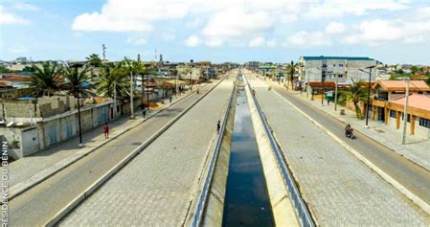
In a continent where urban cleanliness remains a persistent challenge, one West African city has rewritten the narrative. The 2025 Africa Clean Cities Index has positioned Cotonou not only as the cleanest city in West Africa but also secured its place among the top three cleanest cities on the entire African continent. But as the accolades pour in and the ribbon cuttings begin, a critical question emerges: can Cotonou sustain this historic achievement?
From Sixth to Third: A Remarkable Urban Transformation
The journey from the 2023 ranking of sixth place to securing the bronze medal on the continental podium reflects more than just a statistical improvement it signifies a paradigm shift in public perception, infrastructure development, and civic participation.
Public endorsement through urban excellence
A comprehensive survey conducted as part of the index gathered 7,877 responses, predominantly from permanent residents, who rated their cities based on cleanliness standards. With a score of 7.6 out of 10, Cotonou not only outperformed regional peers but earned a reputation as a city that listens to its people. This feedback loop between governance and citizenry has become a cornerstone of the city’s renewal strategy.
Infrastructure and Operations: The Engine Behind the Success
The transformation of Cotonou is not the result of isolated clean-up campaigns, but the outcome of a long-term, systemic investment in urban infrastructure and public services.
A robust waste management framework
Since 2024, the city has maintained a consistent monthly collection of over 14,000 tonnes of domestic waste. This figure is not just a number it represents the deployment of dedicated collection routes, modernized vehicles, and a workforce trained in sustainable waste handling. The systematic removal of illegal dumpsites has also played a key role in reshaping the urban landscape.
Public spaces reclaimed and revitalized
Millions of square meters of streets, markets, parks, and public facilities have undergone regular maintenance, transforming once-neglected areas into clean, welcoming environments. From the rehabilitation of drainage systems to the installation of public waste bins and the introduction of automated street sweeping machines, every initiative has been designed to enhance both hygiene and civic pride.
Sustainability: The Next Frontier for Clean Urban Living
While the 2025 ranking represents a milestone, Cotonou’s leadership understands that the challenge of urban cleanliness evolves with population growth, climate pressures, and economic development.
From temporary gains to permanent infrastructure
The city is now focused on institutionalizing its cleanliness standards. This includes training local sanitation teams, expanding recycling programs, and integrating green spaces into urban planning. Partnerships with community leaders are being reinforced to ensure that cleanliness becomes a shared responsibility across all neighborhoods, not just a top-down initiative.
The role of public engagement
Cotonou’s success story is not built on command and control alone. Through awareness campaigns, youth programs, and digital platforms for reporting sanitation issues, residents have become active stakeholders in the city’s cleanliness agenda. This culture of accountability ensures that cleanliness is not a fleeting achievement but a permanent way of life.
What Lies Ahead: Building a Legacy Beyond Rankings
The third-place finish on the African stage is a historic achievement, but it is not an endpoint. For Cotonou, the real test lies in maintaining this standard while expanding services to underserved areas and integrating cleanliness into all aspects of urban development.
As other African cities look to replicate its model, Cotonou’s journey offers a compelling blueprint: one rooted in consistent public service, data-driven decision-making, and unwavering commitment to citizen wellbeing. The question now is not whether the city can celebrate its success but whether it can sustain it as a lasting legacy for generations to come.
By Daniel Mbami — Journalist
