West Africa’s fertilizer dilemma: can local phosphate spark an industrial revolution?
With a staggering 1.45 trillion FCFA ($2.4 billion) investment program earmarked for 2026-2030, the West African Economic and Monetary Union (UEMOA) is betting big on a regional fertilizer industry—with phosphate-rich Togo positioned as a cornerstone of this industrial push. But can this small West African nation transform its mineral wealth into a catalyst for agricultural self-sufficiency across the region?
Why Togo stands at the crossroads of a phosphate-powered industrial leap
The UEMOA’s strategic roadmap, unveiled in Ouagadougou, isn’t just another government-led initiative—it’s a community-wide transformation plan designed to break West Africa’s costly reliance on imported fertilizers. Togo’s phosphate deposits, long exported primarily as raw ore, now face a critical pivot: shifting from mineral extraction to high-value industrial processing. But will the nation—and the region—deliver on this ambitious vision?
The stakes couldn’t be higher. The UEMOA’s IMPACT 2030 strategy hinges on three pillars: value-added phosphate transformation, localized fertilizer production, and reduced exposure to global market volatility. For Togo, this means moving beyond being a mere exporter of raw materials to becoming an industrial hub that fuels regional agriculture.
A regional gamble: blending UEMOA’s vision with Togo’s phosphate potential
UEMOA’s blueprint isn’t just about building factories—it’s about reengineering an entire supply chain. While Togo’s phosphate reserves make it a natural candidate, the project’s success depends on more than geology. It demands:
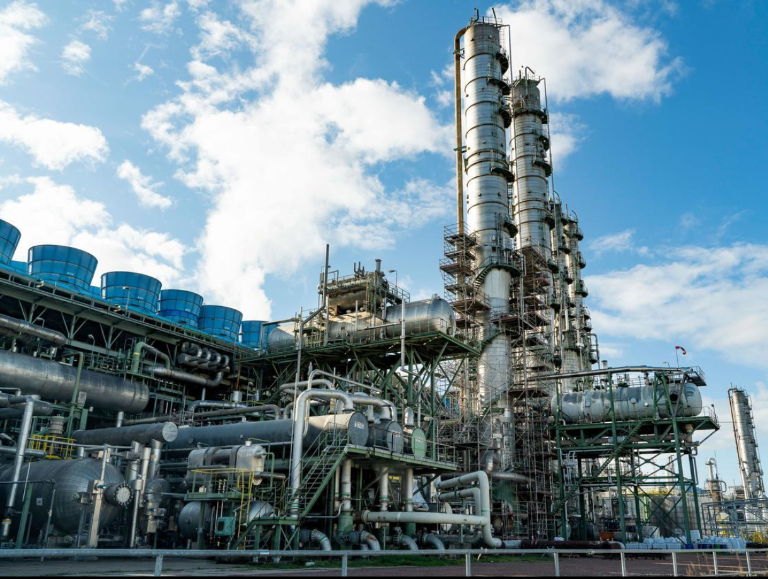
- Industrial infrastructure: Processing plants, logistical networks, and energy supply systems to turn raw phosphate into usable fertilizers.
- Private sector engagement: Mobilizing over 1.19 trillion FCFA ($1.95 billion) from investors to complement public funding.
- Agricultural alignment: Developing fertilizer formulations tailored to West Africa’s diverse soil types and crop needs.
Without these elements, even the most promising phosphate reserves risk becoming another underutilized resource in Africa’s resource curse narrative.
From mineral wealth to economic engine: the transformation challenge
The UEMOA’s financial roadmap breaks down the 1.45 trillion FCFA investment as follows:
- 1.19 trillion FCFA from private investors
- 239.5 billion FCFA from public coffers
This split underscores a harsh reality: public funds alone won’t suffice. The project’s viability hinges on Togo’s—and the region’s—ability to attract industrial players, secure financing, and create an ecosystem where phosphate mining translates into jobs, expertise, and self-sustaining growth.
For Togo, the immediate hurdles include streamlining regulatory frameworks, defining investor incentives, and ensuring that local industries can compete in a global market increasingly dominated by subsidized foreign fertilizers.
Beyond mining: the ripple effects of a regional fertilizer industry
The UEMOA’s strategy isn’t just economic—it’s geopolitical. By reducing West Africa’s dependence on imported fertilizers, the bloc aims to:
- Stabilize agricultural input costs: Shielding farmers from volatile global prices and supply chain disruptions.
- Boost food security: Enhancing soil fertility and crop yields through locally adapted fertilizer blends.
- Create industrial ecosystems: Spurring job creation in mining, logistics, chemical processing, and R&D.
Yet, these benefits remain aspirational without tangible progress. The UEMOA must now translate its vision into concrete milestones: factory groundbreakings, operational plants, and measurable shifts in fertilizer accessibility for West African farmers.
Togo’s moment: turning phosphate into a regional industrial asset
The UEMOA’s fertilizer project is a high-risk, high-reward gamble. For Togo, it presents an unprecedented opportunity to leverage its phosphate wealth—but only if the nation can overcome systemic barriers. Success will require:
- Strategic partnerships: Collaborations between governments, private investors, and agricultural cooperatives to align production with demand.
- Innovation in financing: Creative funding models to de-risk large-scale industrial projects and attract institutional capital.
- Policy clarity: Transparent regulations that balance national interests with regional integration goals.
The clock is ticking. By 2030, the UEMOA’s industrial vision must materialize into functioning factories, sustainable jobs, and a tangible shift toward regional fertilizer independence. For Togo, the question isn’t just about phosphate—it’s about whether this resource can become the linchpin of West Africa’s economic and agricultural transformation.