The Senegalese government is on the brink of a political crisis as its own parliamentary majority threatens to derail the revised finance bill. With the National Assembly set to vote on the critical legislation this Tuesday, October 27th, Prime Minister Ahmadou Al Aminou Lô faces an unprecedented challenge: convincing lawmakers from his own party, Pastef, to support a budget that has already been rejected in committee.
Will the revised budget survive parliament’s scrutiny?
The stakes could not be higher. The revised finance bill, designed to adjust the country’s fiscal framework amid economic pressures, now hangs in the balance after Pastef deputies—who form the majority in the Assembly—voted it down in committee last Friday, October 23rd. This unexpected rejection sends a clear warning to the executive branch and raises serious questions about the government’s ability to secure parliamentary backing for its economic agenda.
A political earthquake within the ruling majority
The rejection in committee is more than a procedural setback; it signals a deepening divide within the ruling coalition. Pastef deputies, despite their shared political alignment with the government, are pushing back against key fiscal choices. This internal rebellion forces Prime Minister Lô into a delicate balancing act: defending the government’s budgetary priorities while negotiating with lawmakers who are increasingly vocal in their opposition.
What lies behind this parliamentary revolt? While the specifics of the deputies’ objections remain unclear, the episode reveals broader tensions over fiscal policy, spending priorities, and the government’s approach to managing public finances. The refusal to rubber-stamp the bill underscores a growing assertiveness among MPs, who appear determined to assert their role in shaping national policy.
Budgetary compromises under the microscope
Prime Minister Ahmadou Al Aminou Lô now faces a critical test of leadership. His government’s revised budget aims to recalibrate fiscal targets in response to economic realities, but the proposed adjustments are sparking controversy. The challenge is twofold: justifying the necessity of these measures while finding common ground with a parliamentary bloc that feels sidelined.
The Prime Minister’s task is not just about numbers—it’s about political messaging. A budget is more than a financial document; it reflects policy priorities, economic vision, and the government’s commitment to transparency. The current standoff suggests that the executive’s relationship with its own majority is fraying, raising concerns about the stability of Senegal’s fiscal governance.
The art of negotiation in a high-stakes showdown
With the October 27th plenary vote looming, the government is scrambling to salvage the revised budget through last-minute negotiations. Prime Minister Lô has called for urgent dialogue with Pastef deputies, aiming to bridge divides and identify acceptable compromises. The clock is ticking, and the outcome of these talks will determine whether the bill survives intact or faces further delays.
The Prime Minister’s approach reflects a calculated risk: pursuing concessions without compromising the core objectives of the budget. Meanwhile, the deputies must weigh their opposition against the potential consequences of a prolonged institutional deadlock. The question now is whether both sides can move beyond entrenched positions to reach a workable agreement.
Tuesday’s vote: a defining moment for Senegal’s institutions
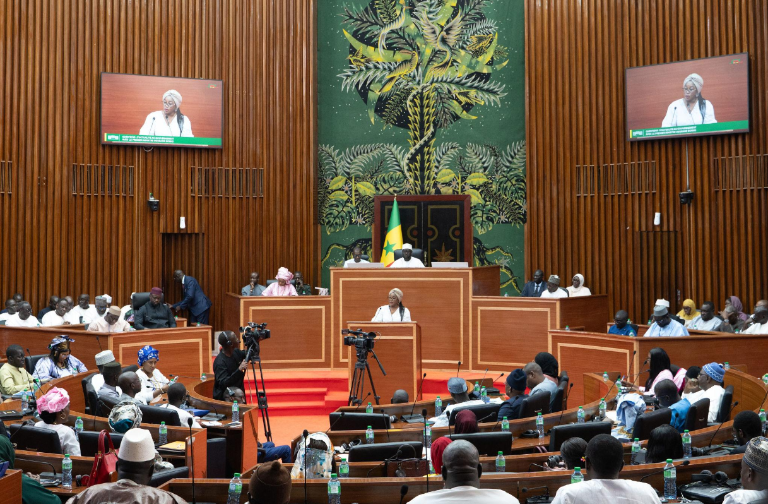
The plenary session on Tuesday will be a watershed moment. If the government fails to secure support, the revised budget could be shelved, triggering a political and economic fallout. Conversely, if the deputies relent, it may signal a new era of cooperation—or at least a temporary truce—between the executive and its parliamentary majority.
Beyond the immediate budgetary battle, this episode raises a fundamental question about Senegal’s political landscape: how can the government reconcile strict fiscal discipline with the demands of a more assertive parliament? The answer will shape not only the fate of this budget but also the future of democratic governance in the country.
What’s next for Senegal’s fiscal future?
As the nation holds its breath ahead of Tuesday’s vote, one thing is certain: the outcome will reverberate far beyond the Assembly chambers. Whether through compromise or confrontation, the revised finance bill will leave an indelible mark on Senegal’s economic trajectory and the delicate balance of power between its institutions.