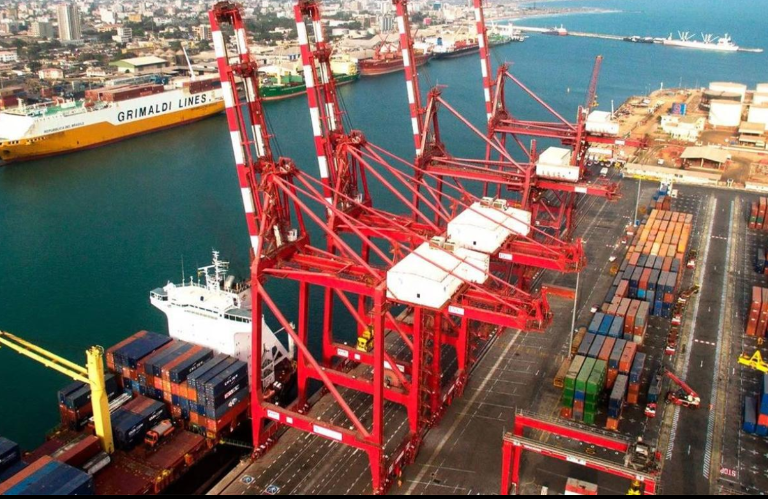
Benin’s agricultural exports to the United Kingdom have surged by an unprecedented 62.5 % over the past year, reaching a total of £13 million. This remarkable growth, driven primarily by fresh produce, marks a significant shift in bilateral trade dynamics between the two nations. The latest trade statistics from the UK’s Department for Business and Trade reveal a story of opportunity, challenge, and untapped potential.
How Benin’s farmers are cracking the UK market
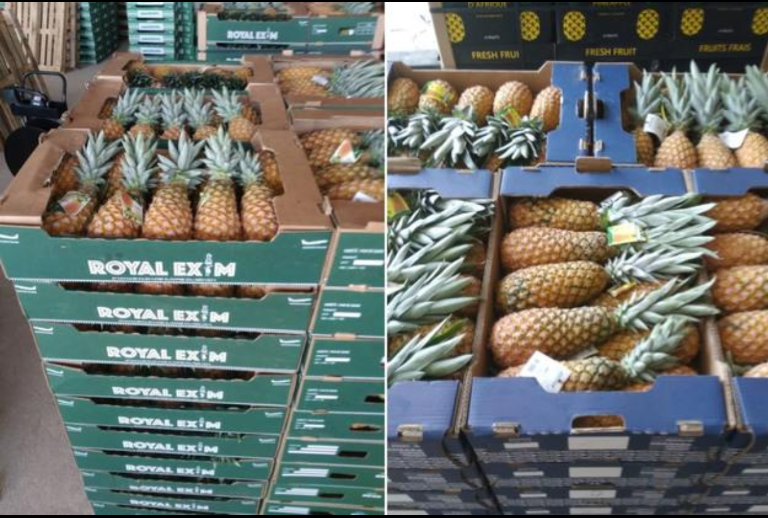
The surge in exports isn’t just a number—it’s a testament to the hard work of Benin’s agricultural sector. Fresh fruits and vegetables now dominate the trade balance, with UK purchases of these products alone valued at £5.2 million. Behind this success is an even more impressive statistic: Benin’s merchandise exports to the UK have skyrocketed by 400 %, up to £5 million. From pineapples to okra, Beninese farmers are finding their way into British supermarkets and homes.
Why this export surge matters
This isn’t just about higher revenues—it’s about diversification. For years, Benin’s economy has relied heavily on a few key sectors. The UK’s appetite for Beninese produce signals a new era where agriculture can play a leading role in economic growth. For farmers and exporters, this is validation that their efforts are paying off, and that international standards can be met.
Beyond fruits and vegetables: a broader economic signal
The UK isn’t just buying tomatoes and mangoes—it’s buying into Benin’s story. The fact that these exports are growing while British exports to Benin decline by 6.9 % suggests a recalibration of trade flows. With £41 million more flowing from the UK to Benin than the other way around, the trade deficit remains—but the gap is narrowing.
The hurdles Benin must overcome to sustain growth
Success today doesn’t guarantee success tomorrow. To maintain and expand this momentum, Benin must tackle several critical challenges:
- Sanitary and phytosanitary standards: UK regulations are strict. Ensuring compliance isn’t optional—it’s essential.
- Traceability and quality control: Buyers won’t compromise on safety or freshness. Systems must be put in place to guarantee product integrity from farm to shelf.
- Logistics and transportation costs: Shipping goods across continents is expensive. Reducing these costs will make Beninese produce more competitive.
- Value-added processing: Exporting raw agricultural products limits profits. Investing in local processing could unlock higher margins.
A closer look at the trade imbalance
Despite the gains, the trade deficit with the UK still looms large. UK exports to Benin totaled £54 million over the same period—a decline, but still more than four times the value of Beninese exports. While the UK remains the dominant trading partner in this relationship, the fact that Benin’s exports are rising while Britain’s fall suggests a slow but steady rebalancing.
What’s driving this shift? It’s not just UK demand—it’s Benin’s ability to meet it. With a 1.3 % market share in Benin’s imports and ranked 169th among the UK’s trading partners, there’s still massive room to grow. But growth won’t happen by accident. It will require strategy, investment, and a commitment to long-term competitiveness.
What’s next for Benin-UK trade?
The question now is whether this surge is a turning point or just a temporary spike. For Benin, the path forward involves more than just exporting more produce. It means building a sustainable export ecosystem—one that can adapt to market demands, weather global shocks, and compete on quality, not just price.
The UK market offers opportunities, but it’s not a free ride. Benin’s exporters must continue to innovate, whether through new product lines, improved packaging, or partnerships with UK retailers. The goal isn’t just to sell more—it’s to build a lasting presence that strengthens Benin’s position in international trade.
The 62.5 % surge is a strong start. But in the world of global trade, the only constant is change. How Benin responds to this moment will determine whether this is a milestone—or the first step toward something much bigger.