Diplomatic milestone meets economic dilemma
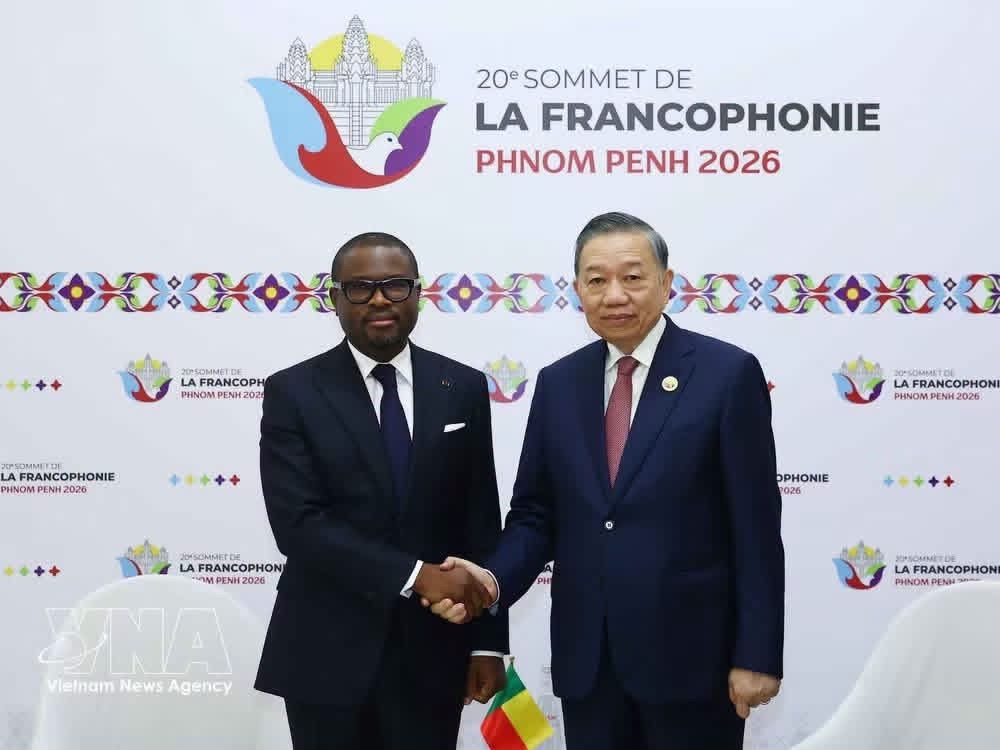
On 15 November in Phnom Penh, at the margins of the Francophonie Summit, Bénin’s Minister of Economy and Finance Romuald Wadagni met Vietnam’s Minister of Public Security Tô Lâm. The encounter marked the first direct contact between the two leaders on economic cooperation, yet the stakes transcend mere diplomacy. Under discussion were rice, cashews, cotton, aquaculture and port infrastructure sectors that sit at the very heart of Bénin’s agricultural, industrial and trade ambitions.
The question is stark: is Bénin content to export raw commodities to Vietnam, or does it intend to harness this partnership as a catalyst for industrial development? The answer could redefine the country’s economic trajectory for decades.
From farm gate to factory floor
The cashew sector encapsulates the dilemma. Vietnam’s robust processing industry places it among the world’s top players, while Bénin boasts abundant raw cashew nut production. Such complementarity offers real opportunity, yet carries a grave risk: remaining a supplier of unprocessed nuts while the added value, jobs and profits from transformation accrue abroad.
True wealth in the cashew value chain lies not in the harvest and export of raw nuts, but in decortication, packaging, processing, marketing and the creation of an entire industrial ecosystem. Every stage performed locally translates into additional employment, skills transfer, local enterprise growth and domestic revenue. Bénin must therefore demand more than market access; it must insist on investment in onshore processing.
A commercial purchase is fleeting; an industrial plant is transformative. The difference between the two could spell the difference between a fleeting export boost and sustainable industrialisation.
Empty agreements vs. tangible outcomes
An agricultural cooperation agreement was signed in 2024, yet little has materialised. Two years on, the priority is no longer drafting new pledges but interrogating why previous commitments lag and identifying measures that will finally convert words into action.
The same scrutiny applies to rice, cotton and aquaculture. Bénin stands to gain from partnerships that go beyond mere production offloading. What is required are investments that raise yields, deploy modern techniques, build agro-processing capacity and open new markets. Port infrastructure forms another critical link: without efficient logistics, adequate storage and competitive trade circuits, broader trade ambitions will remain stunted.
The trap of diplomatic illusion
African economic diplomacy too often equates agreements with achievement. Neither presidential photo opportunities nor lengthy communiqués measure success; only realised investments, jobs created, technologies transferred and wealth retained within the national economy do.
For Wadagni, the Phnom Penh meeting signals the start of a far weightier endeavour: negotiating with greater economic ambition and negotiation rigour to ensure Bénin’s interests are not overshadowed.
A new economic identity at stake
The ultimate objective is clear. Bénin must resist the role of foreign industrial backyards and instead become a territory where raw materials are transformed, skills flourish and investments deliver direct benefits to citizens.
Vietnam can indeed be a strategic partner, but only if this cooperation propels Bénin beyond raw material supplier to become an industrial actor capable of capturing a far greater share of wealth from its own resources.
By Daniel Mbami — Journalist