Why Morocco broke ranks with Africa on the UN Cuba embargo vote
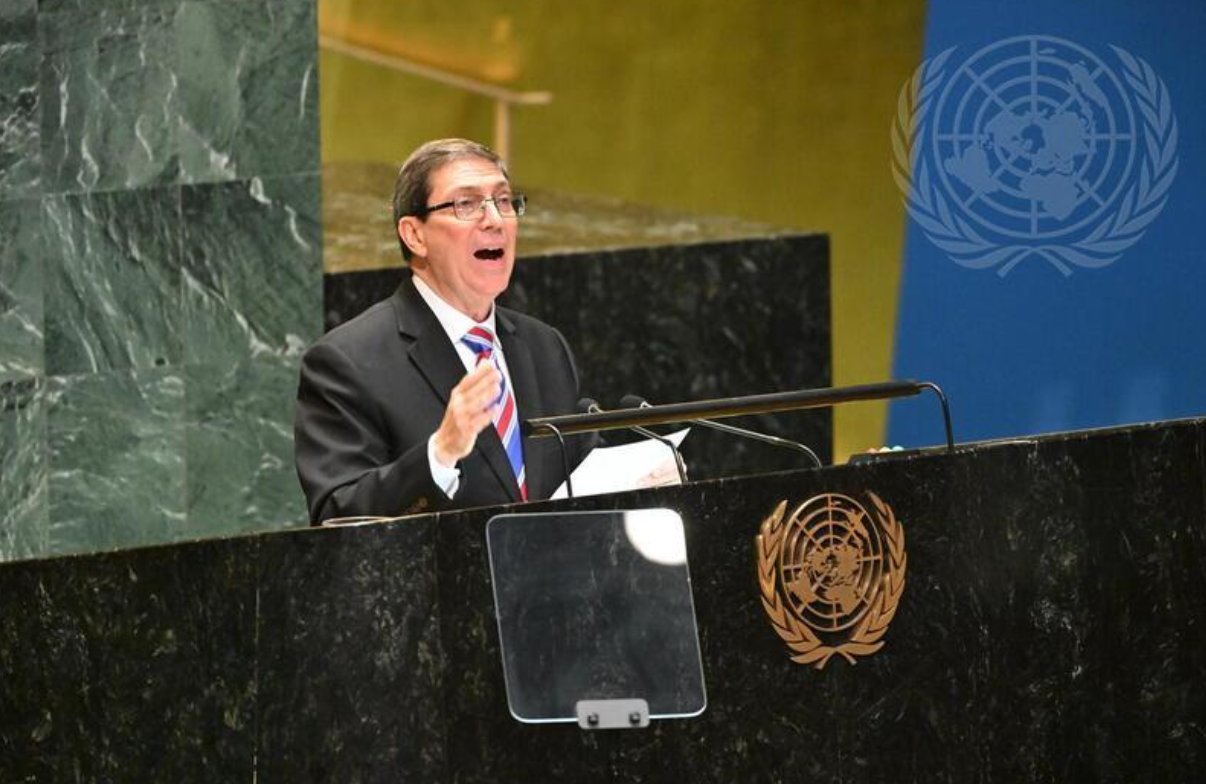
At the United Nations General Assembly in New York, history repeated itself yet shifted in subtle ways. On October 28, 2026, member states once again voted on a resolution calling for the lifting of the decades-long U.S. embargo against Cuba. The outcome? A familiar majority of 130 nations in favor, but with a new twist: Morocco stood alone as the only African country to oppose the motion. With 17 votes against and 25 abstentions, this year’s tally revealed both the persistence of global support for ending the blockade and the growing fragmentation within Africa’s diplomatic unity.
While the resolution passed comfortably again—the 35th such vote since 1992—the drop in favorable votes compared to 2025 (when 165 countries supported it) signals a shifting tide. The number of abstentions nearly doubled, and the opposition bloc, though small, now includes a historic African outlier: Morocco. This decision places Rabat at odds with the continent’s longstanding position on sanctions and non-intervention principles.
From abstention to opposition: Morocco’s diplomatic turn
The Moroccan vote wasn’t just an outlier—it was a reversal. Reports indicate that in previous years, Morocco had abstained on similar resolutions, aligning itself more closely with the African consensus. Yet in 2026, the kingdom not only voted against the resolution but did so amid intensified U.S. lobbying efforts to sway member states away from supporting the text. Germany and Italy, for example, switched from “yes” to abstention this year, showing that the tide was turning even in traditionally supportive regions. Morocco’s move, therefore, wasn’t just an exception—it was an active departure from prior conduct.
But what drove this change? Without an official explanation from Rabat, motivations remain speculative. Had the U.S. secured new concessions from Morocco in trade, security, or diplomatic support? Or was this a principled stance against what Rabat views as an erosion of state sovereignty through economic sanctions? The absence of clarity adds to the intrigue. One thing is certain: this vote disrupts a long-standing African front, even if it doesn’t mark a full rupture in continental relations.
The African bloc remains firm—except for one
North Africa and sub-Saharan Africa alike have, for decades, lined up behind resolutions condemning the U.S. embargo on Cuba. This solidarity stems from a shared commitment to principles such as non-interference in internal affairs, respect for sovereignty, and opposition to unilateral coercive measures. Morocco’s vote thus challenges a rare area of consensus on the continent, where such resolutions typically drew near-unanimous support.
Why the shift? Some analysts suggest that Morocco’s position may reflect a broader re-evaluation of its foreign policy priorities, particularly in light of evolving U.S. and European alignments. Others point to recent trade agreements or security cooperation as potential factors influencing Rabat’s calculus. Whatever the rationale, the symbolic weight of Morocco’s decision looms large—not because it will change U.S. policy, but because it fractures a long-standing diplomatic bloc at a time when African unity is increasingly tested by global realignments.
The Cuba embargo: A six-decade standoff
The U.S. embargo on Cuba, enforced since 1962 and tightened over the decades, remains one of the longest-standing economic sanctions in modern history. Washington argues that the measures target the Cuban government’s human rights record and political system. Havana, however, describes them as economic warfare, exacerbating shortages of food, medicine, and fuel that have plagued the island for years. With electricity blackouts, fuel rationing, and rising inflation, ordinary Cubans bear the brunt of the blockade—a reality that fuels international sympathy for the resolution to lift it.
Yet the resolution, though endorsed by the majority of the UN, lacks binding power. The actual decision to lift the embargo lies solely with the U.S. Congress, where political divisions have repeatedly stalled any meaningful change. Even with widespread global support, the resolution serves primarily as a symbolic victory for Cuba, reinforcing its narrative of international solidarity against unilateral sanctions.
What’s next for Morocco in the global arena?
The Morocco-Cuba vote at the UN is not just a footnote in international diplomacy—it’s a signal. It highlights the fractures in what was once seen as an unshakable African consensus. For Rabat, the next step will be clarity. Will this vote remain an isolated incident, or does it signal a broader strategic pivot? If the goal was to signal alignment with Washington or to assert a more independent foreign policy stance, the lack of official justification leaves room for interpretation—both at home and abroad.
For Africa, Morocco’s defiance on Cuba raises a broader question: Is continental unity on global issues becoming an exception rather than the rule? With shifting alliances, emerging powers, and evolving national interests, the days of automatic bloc voting may be numbered. As for Cuba, the diplomatic victory at the UN offers little immediate relief, but it reinforces the moral and political momentum behind ending a blockade that has outlasted generations.