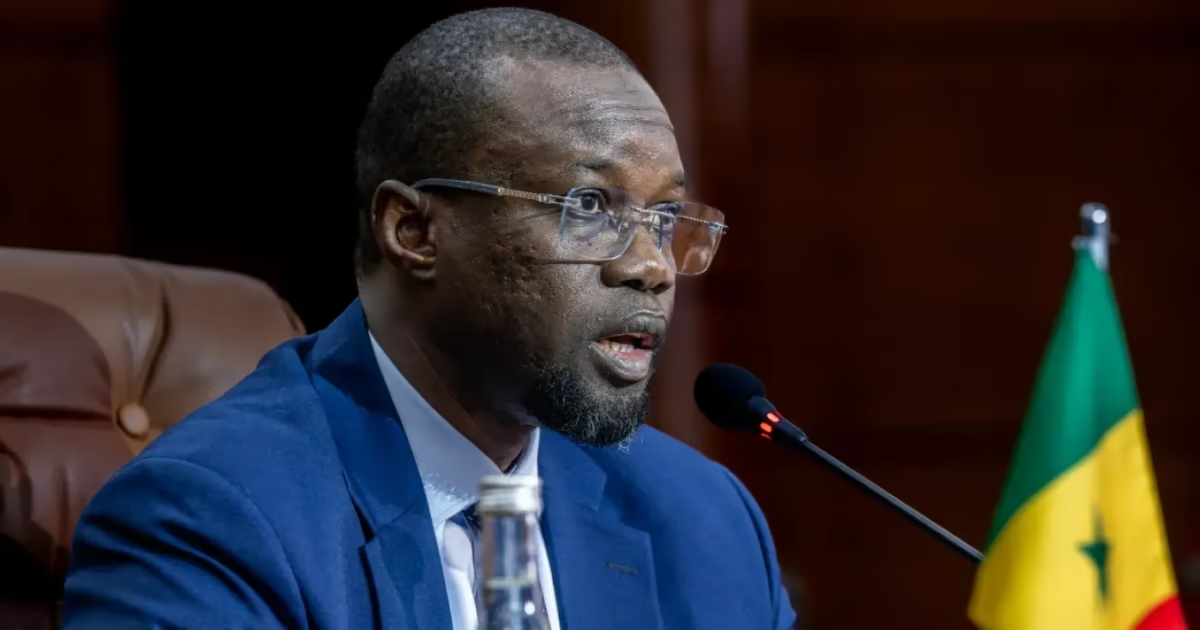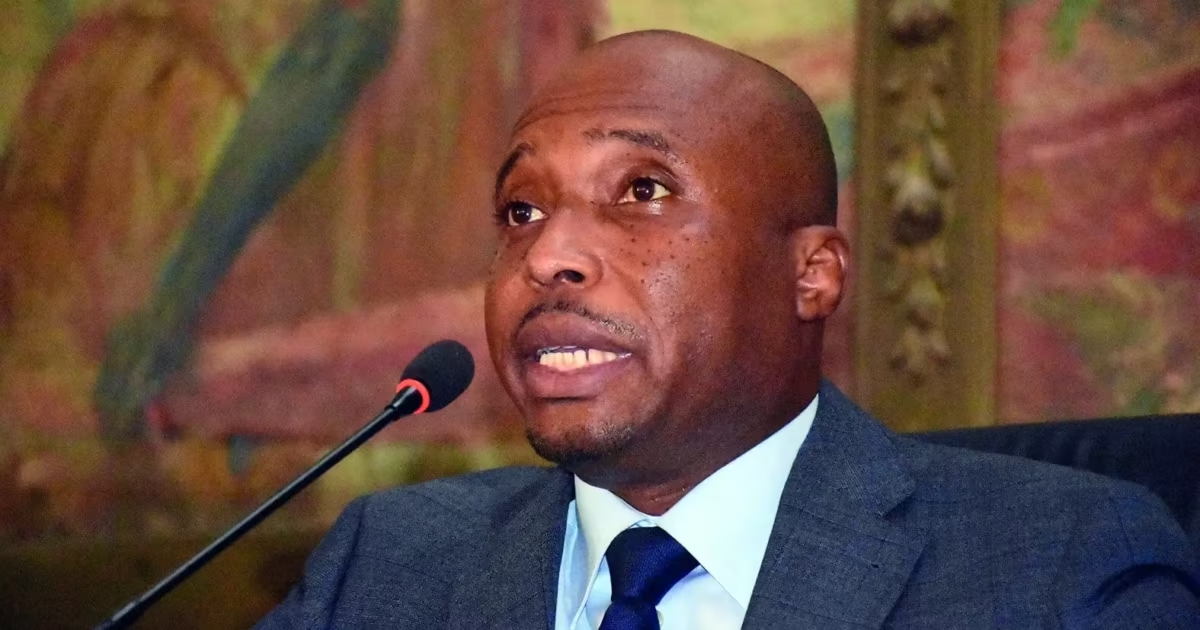
The opening of Benin’s first ordinary session of the Senate on October 28, 2026, in Cotonou wasn’t just a procedural event—it was a declaration of intent. Senate President Patrice Talon framed the chamber’s mission as an institutional bulwark against the kind of paralyzing disputes that recently derailed Senegal’s budget process. As legislators in Dakar grapple with deepening divisions over a 2026 finance bill, their Béninois counterparts are positioning themselves as a counterbalance designed to keep governance moving forward.
Can Institutional Mediation Prevent Political Gridlock?
The question hangs over both countries: when elected bodies clash over foundational legislation, can an upper house act as a pressure valve? Talon’s address left no room for ambiguity. “In Benin, the Senate is not a body of confrontation; it is a chamber of moderation,” he stated. This stance reflects a calculated gamble—that a second legislative layer can absorb conflicts before they escalate into intractable crises.
Benin’s Senate, composed of 25 members seated following the 2025 constitutional reforms, has a mandate that goes beyond routine oversight. Among its core duties are safeguarding fundamental freedoms, reinforcing social cohesion, and—critically—acting as an arbiter in inter-institutional disputes. Talon emphasized that while rivalry is inherent to democracy, the Senate’s role is to prevent that rivalry from metastasizing into structural paralysis.
How the Senate’s Powers Aim to Prevent Persistent Deadlocks
The chamber’s design embeds conflict-resolution tools directly into Benin’s legislative ecosystem. Before laws reach the president’s desk, the Senate must review constitutional amendments, electoral laws, and party regulations. In cases where the National Assembly and the presidency fail to reconcile on contested bills, the Senate can demand a second reading—provided the contested bill isn’t fiscal in nature. This targeted authority signals an attempt to create breathing room in moments of acute disagreement.
Moreover, the Senate’s composition—indirectly elected by local officials—is intended to reflect territorial rather than partisan priorities. Talon contends this geographic focus could inoculate the chamber from the zero-sum politics that often paralyze unicameral systems. Whether this detachment translates into real-world influence remains to be tested.
Senegal’s Budget Battles Offer a Cautionary Tale
Across the border, Senegal’s parliamentary session in late October revealed how quickly budgetary disputes can paralyze state functions. On October 23, the National Assembly’s Finance Committee rejected the government’s 2026 finance rectification bill outright, rejecting both the original proposal and two government-backed amendments. The move triggered a political standoff: Finance Minister Cheikh Diba requested a delay for further negotiations, but the public airing of the breakdown sent shockwaves through markets and civic trust alike.
While the bill wasn’t permanently shelved, the episode demonstrated how fiscal disagreements can metastasize into broader legitimacy crises. At its core, the conflict wasn’t about numbers alone—it was about state credibility. Delayed appropriations threaten essential services, from healthcare to education, and risk eroding citizen confidence in the government’s ability to deliver.
Where Benin’s Senate Differs from Senegal’s Parliamentary Model
Benin’s upper house lacks oversight power over finance laws, a deliberate separation designed to reduce duplication. Instead, its preventive mandate focuses on areas where institutional friction has historically been most intense: constitutional reforms, electoral frameworks, and party-system oversight. By carving out a niche in institutional mediation, the Senate is betting it can short-circuit crises before budgets, not after.
Yet the Senate’s effectiveness will hinge on factors beyond its legal mandate. Political will, public perception, and the chamber’s perceived neutrality will determine whether it becomes a stabilizing force or just another layer of bureaucratic inertia. Early indicators will come in how it handles upcoming constitutional amendments and electoral reforms—areas where Senegal’s parliament has stumbled repeatedly.
Beyond Rhetoric: The Real Test of Stabilizing Power
Talon’s rhetoric is bold: “Our Senate will not accelerate division; it will arrest it.” But rhetoric alone cannot prevent deadlock. The chamber’s credibility will be judged not by its stated mission, but by its tangible interventions in moments of crisis. Will it remain an impartial referee, or succumb to executive pressure? Will opposition voices feel represented, or sidelined? These are the questions that will define whether Benin’s institutional experiment succeeds or merely becomes another cautionary tale.
The broader stakes transcend partisan wins or losses. At issue is the capacity of Benin’s state to function—to legislate, to appropriate funds, to govern—even when political actors disagree. The Senate’s architects argue that by institutionalizing dialogue, they are not weakening democracy, but strengthening its resilience. Opponents counter that an unelected, indirectly selected chamber risks distorting representation. The coming sessions will reveal which side history favors.
One thing is clear: in an era where political polarization threatens to stall development across West Africa, Benin is staking its claim on an untested strategy. Whether second-chamber diplomacy can deliver where first-chamber politics have faltered remains the defining question of its young Senate—and potentially a model for the region.