Algeria’s bold maneuver: breaking Russia’s iron grip on the Sahel
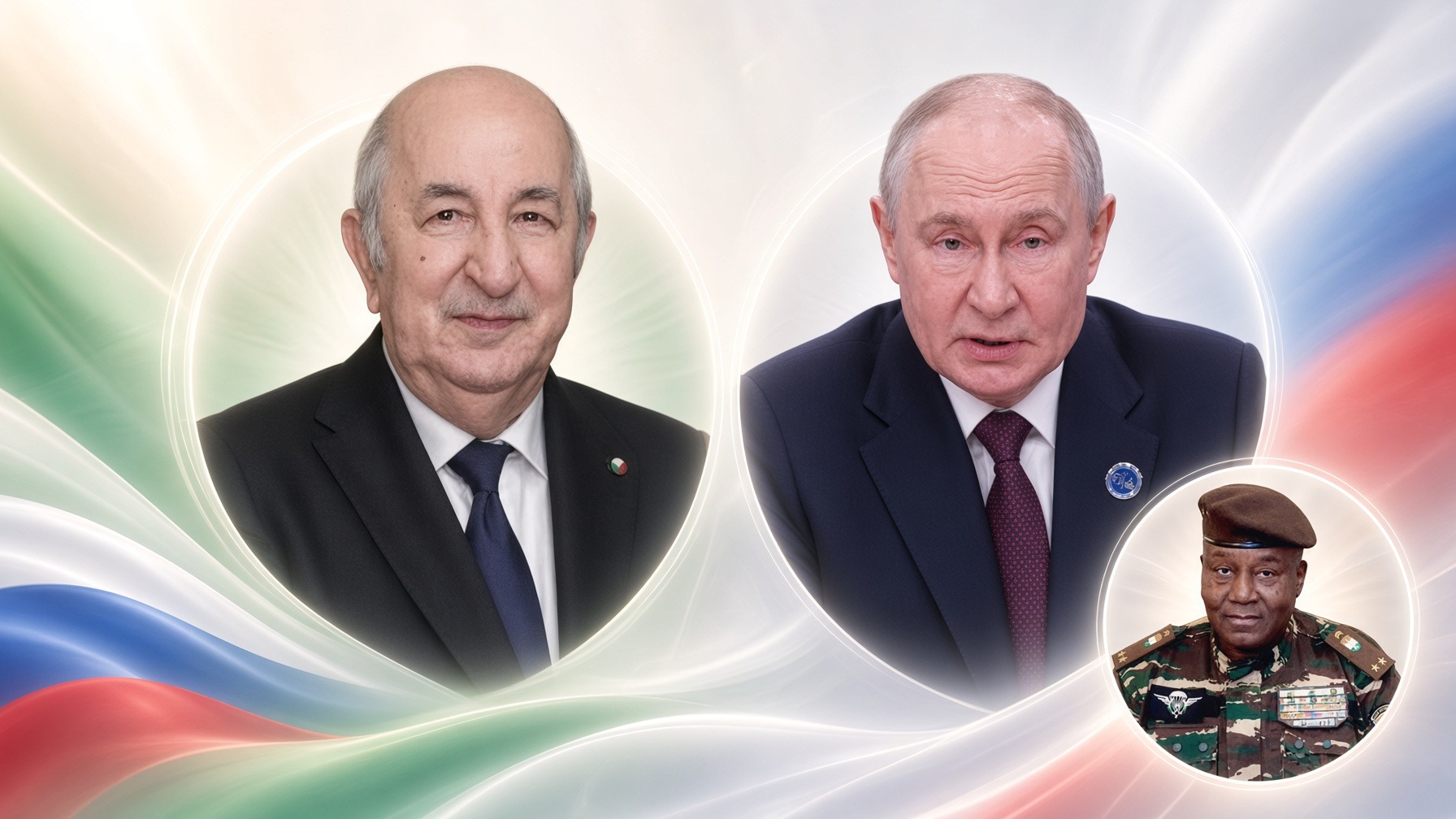
In a historic reversal of regional power dynamics, Algeria’s Parliament has sanctioned the deployment of troops from its People’s National Army (ANP) into southern Niger. This unprecedented decision not only broadens Algeria’s strategic reach but also dismantles the perceived monopoly that Moscow had established across the Sahel, propelling the Sahara into a new era of geopolitical uncertainty.
Redefining Niger’s security landscape: Algeria’s counterplay to Russian influence
Following the 2023 coup in Niamey, the junta pivoted toward Moscow as its exclusive security guarantor, forging lucrative defense partnerships valued in the hundreds of millions. The agreements included cutting-edge air defense systems, tactical drones, combat helicopters, and the contracted presence of Africa Corps trainers. In exchange, Russia secured long-term mineral concessions and extraction rights, embedding its economic and military footprint deep within Niger’s infrastructure.
The Algerian intervention introduces a seismic shift in this arrangement:
- Ending a Russian monopoly: Algeria’s modernized and seasoned ANP offers Niamey a credible alternative to Moscow’s high-cost military support, reducing the junta’s dependence on exclusive Russian hardware and logistical dependence.
- Challenging extractive diplomacy: With Algerian troops on the ground, Moscow’s leverage to exchange security assistance for mining rights is diminished, especially as Algiers can independently maintain and upgrade Niger’s aging Soviet-era equipment—competing directly with Russian monopoly on maintenance and logistics contracts.
- Disrupting revenue flows: Given that a significant portion of Niger’s arsenal relies on Russian-origin platforms, Algeria’s domestic technical expertise enables it to service and sustain this fleet, redirecting critical revenue streams away from Kremlin-linked defense contractors.
Energy security at stake: why Algiers cannot allow a Russian-controlled Sahel
For Algeria, this military intervention is not merely a strategic gamble—it is a survival play for its economic future, driven by the need to protect multi-billion-dollar energy assets that form the backbone of its prosperity.
Two flagship initiatives are at the heart of Algeria’s concerns:
- Kafra oil field: Operated by Algeria’s state energy giant Sonatrach through its subsidiary SIPEX, this high-output oil block holds reserves in the tens of millions of barrels and serves as a cornerstone of renewed energy collaboration between Algiers and Niamey.
- Trans-Saharan Gas Pipeline (TSGP): This ambitious project is designed to transport over 30 billion cubic meters of Nigerian gas annually to European markets via Niger and Algeria. Its viability hinges on a secure transit corridor across the Sahara—one that is incompatible with the presence of armed factions backed by external powers.
By positioning its own forces in Niger, Algeria guarantees the uninterrupted flow of these energy resources while firmly signaling to Moscow that its critical infrastructure will not come under foreign military oversight.
Moscow’s unexpected setback: shifting from hegemon to contested player in the Sahel
Once the primary destination for Algerian defense imports, Algeria now deploys its own formidable military capabilities to counter Moscow’s expanding influence in the Sahel. The ANP’s assertive presence forces Niamey to reconsider its allegiances, loosening the Kremlin’s grip over the junta and introducing a new axis of competition within the Alliance of Sahel States (AES).
Moscow, which had consolidated control through mercenary networks and exclusive arms contracts, now confronts a harsh reality: the Sahara is no longer a theater of silent dominance but a battleground where economic and military influence are contested daily. Weapons purchased yesterday no longer guarantee control tomorrow. Algerian boots on the ground mark the dawn of a fragile equilibrium—one where influence is no longer measured in boardroom agreements but in sand-pounded deployments.
Future implications: what lies ahead for Niamey, Algiers, and Moscow
The deployment of Algerian forces in Niger transcends military strategy—it is a geopolitical upheaval with far-reaching consequences across the Sahel and beyond.
The short-term beneficiaries are undeniable:
- The Nigerien junta gains a powerful lever to renegotiate its financial and security dependencies, freeing itself from the constraints of a single foreign patron.
- Algeria cements its role as a stabilizing force and custodian of trans-Saharan energy routes, positioning itself as a linchpin in regional security architecture.
- Russia, once unchallenged, now faces a rival whose capabilities are grounded in real-world operations and decades of military modernization—not just rhetoric.
As the region adjusts to this seismic shift, one conclusion is unavoidable: the Sahel is no longer a unipolar stage. Algeria and Russia, once aligned in arms, now stand as adversaries on the same desert canvas—each fighting not just for influence, but for the very direction of regional stability.